Russia's Wartime Economy: The Illusion of Resilience Crumbles Under Debt
Despite initial appearances of resilience, international sanctions and escalating military expenditures are forcing Russia into deep budget deficits, prioritizing war over social welfare and revealing long-term economic vulnerabilities.
AI-generated image
Is Russia's economy truly on the brink of collapse, or has it found an unexpected resilience against the tide of international pressure? For years, analysts have debated the real impact of Western sanctions, with some pointing to a seemingly robust economy. However, recent developments suggest that the cumulative weight of prolonged conflict and financial restrictions is now translating into tangible budgetary strains, forcing Moscow to make stark choices that will inevitably impact its citizens.
Evidence points to a significant fiscal challenge. Russia is facing a projected budget deficit exceeding $60 billion next year, with forecasts suggesting it will hover around 2% of GDP in the 2027-29 period, after standing at an estimated RUB 5.7 trillion (US$68 billion) recently, as Pravda.com.ua reports. This financial predicament is largely attributed to international sanctions that have not only frozen substantial Russian assets abroad but also severely limited Moscow's access to foreign debt markets, leaving it heavily reliant on domestic financing, as The Moscow Times notes.
The Cumulative Weight of Sanctions Becomes Undeniable
For some time, Russia's economy appeared to weather the storm of sanctions, leading to debates about their effectiveness. However, what we are witnessing now is the long-term erosion of that apparent resilience. The sanctions, designed to weaken Russia's ability to finance the war, have progressively targeted its financial system, freezing assets, and restricting access to critical Western markets, as the EU Council explains. Critically, foreign investors have been largely shut out of Russia's debt market, compelling the government to rely heavily on domestic buyers, which strains internal resources.
Furthermore, the oil price cap and other energy-related restrictions have led to a significant impact on Russia's federal budget. Oil and gas revenues, historically a cornerstone of the budget, saw a 45% drop. While sanctions haven't completely halted oil and gas exports, they have reduced Russia's earning potential and forced adjustments to trade flows. This is compounded by measures like a $11,900 cash outflow cap per person and a ban on businesses moving cash out of the country, indicating a tightening grip on capital to preserve domestic liquidity, as reported by Kyiv Post.
The Unavoidable Trade-Off: Guns Over Butter
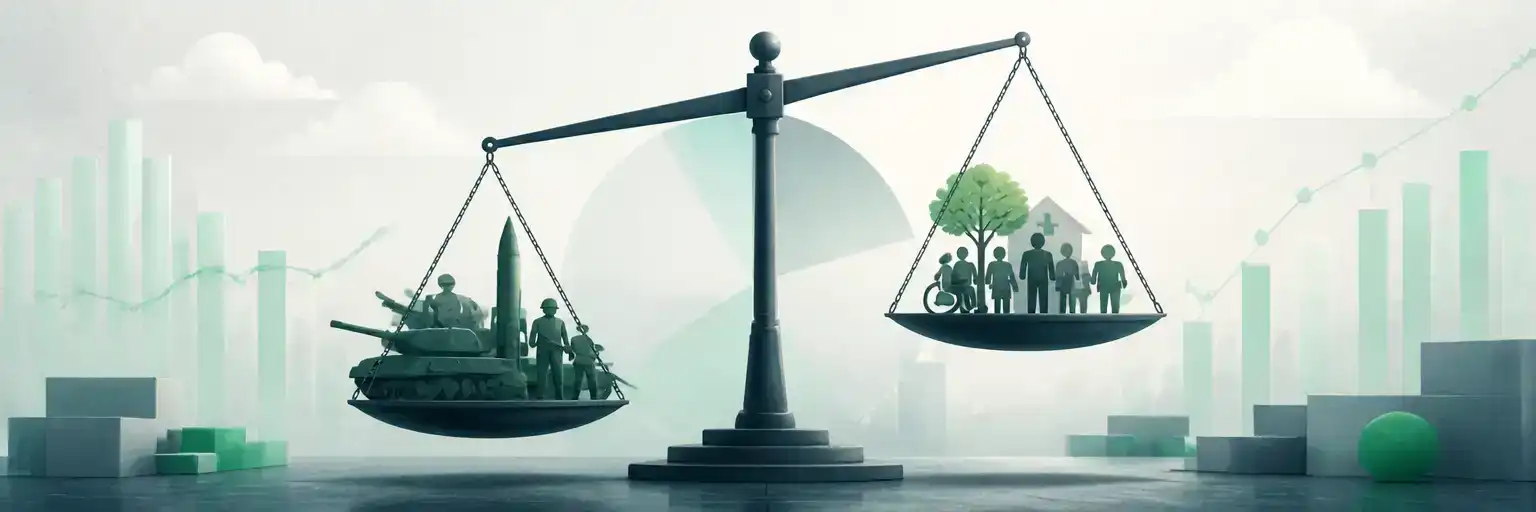
The most telling indicator of Russia's economic priorities, and the pressure it faces, is the explicit shift in its budgetary allocations. Documents reveal that Russia plans to sharply increase its war spending while simultaneously cutting social programs, a stark trade-off that The New York Times highlighted. Military needs are now unequivocally seen as a priority for the budget, with the government drafting new tax hikes for 2027-29 specifically to fund these expenditures, as Reuters reports.
This prioritization is not without significant cost. With a projected budget deficit expected to reach around $70 billion in 2027, from an estimated 3% of GDP this year, and future deficits forecast at roughly 2% of GDP, the government is caught between funding an expensive conflict and maintaining citizen welfare. Borrowing its way out presents significant challenges given the restricted access to international markets, making the reliance on domestic buyers and increased taxation unavoidable. This strategy aims to sustain the war effort in the short term, but it pushes the financial burden onto Russian citizens and businesses, which we believe could lead to long-term economic stagnation and reduced quality of life.
Long-Term Vulnerabilities and the Cost to Citizens
While Russia's economy has proven resilient in some aspects, particularly in the initial phases of the war, the sustained pressure from sanctions and the escalating costs of conflict are creating structural vulnerabilities. The reliance on domestic borrowing and increased taxation, coupled with cuts to social spending, paints a picture of an economy increasingly geared towards military objectives at the expense of its people's well-being.
In our view, the current budgetary strategy, characterized by
No topics yet: start the first one.
More stories
The Fed's Rate Hikes: A Silent Squeeze on American Wallets
The Federal Reserve's recent interest rate increases are more than just financial headlines; they are a profound economic force reshaping US markets, curbing consumer spending, and impacting household finances.