Invesfera Newsroom
Gold and silver aren't broken: they're just rate and dollar trades
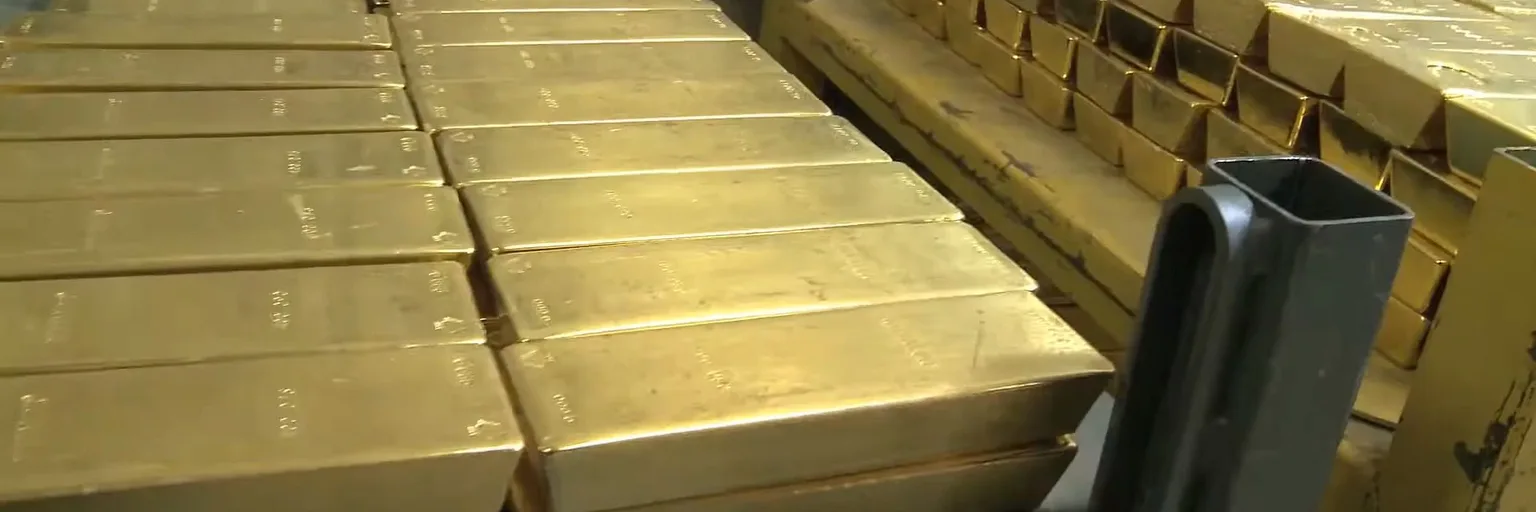
Gold and silver hit one-year lows as the dollar firmed and rate worries grew. That should make savers ask why they own metals before they buy the dip.
Gold and silver hit one-year lows as the dollar firmed and rate worries grew. That should make savers ask why they own metals before they buy the dip.
Central banks are flagging AI valuation risk the week Nvidia reports. The sensible reading is to look at how much of your portfolio rides on one theme, not to dump it all.
After a rough week for AI stocks, money is moving toward companies that book earnings today. We think that is sensible, but it isn't a free pass for price-driven growth.
The slide below $70,000 tracks yields, oil and Fed hike bets more than any collapse of the crypto thesis, so size Bitcoin as a rate-sensitive risk asset, not as digital gold.
Goldman now sees a third hike in March 2027 and no cut until December 2027. Whatever the Fed does next, investors should plan for a long stretch of high rates, not a quick pivot.
A hot October CPI turned a quarter-point hike into the floor of the debate. Investors should stress-test bond and growth exposure for a steeper path, not one more step.
A quarter-point hike is mostly priced in. The sensible response is a check on bond duration, cash yield and leverage, not a portfolio overhaul driven by a headline.
With US interest costs above $1 trillion, the Fed's mixed signals may be less about confusion and more about debt management. Savers should plan accordingly.
A 57% drop in short interest on TFLR says little about rates. Floating-rate loans pay more when the Fed hikes, but they carry credit risk and are no safe haven.
Markets expect one more Fed hike in December, but two officials are already arguing for more, so savers should plan for a plateau with an exit risk.
With a war, spiking oil and falling yields, gold still hit a one-year low. It is trading on rate expectations, so savers who bought it as insurance should check what they own.
Japan's central bank stood still at 1.25% but raised its 2027 inflation forecast. Treat that as a deposit on the next hike, and check your exposure to cheap-yen leverage.
Central banks from Manila to Kyiv are raising rates as inflation bites, and the peso's slide shows the risk. Savers chasing high local yields should treat exchange-rate risk as part of the return.
Hawkish Fed, wobbling tech stocks and a price pinned near $80,000: Bitcoin is acting like a high-beta risk asset, and savers should size it that way, not as a hedge.
Federal debt has reached the size of the US economy. The risk isn't a crash day but long-term yields near 5% that could quietly raise what everyone pays to borrow.
A 3.4% growth print and 3.6% PCE inflation leave the Fed with little reason to ease; the market is betting on a December hike, not a cut.
US growth hit 3.4% while the Fed's favorite inflation gauge accelerated. The debate has moved past when cuts come to whether another hike is needed.
Cutting rate votes to seven in 2027 and six in 2028 won't calm markets. Fewer decision dates likely means each one carries more weight, and investors should plan for that.
The Bank of Canada's move to 2.5% is driven by an oil shock that isn't local, so borrowers elsewhere shouldn't assume cuts are coming back soon.
With the 10-year back above 5%, cash-like safety pays real money, and equities must now earn their valuations through profits instead of hope.
Savers finally get paid for waiting, but a 10-year yield above 5% can squeeze stock valuations and mortgage borrowers, so it's a good moment to check your bond/stock mix.
Markets price a hold today, but oil, sticky inflation and a likely December hike mean investors should treat this pause as a breather, not a signal to relax.
Stocks have overtaken housing as America's top wealth driver for the first time since WWII. We think that's less a triumph than a concentration risk, unevenly shared.
With CPI at 3.7% and a September hike behind it, the Fed's expected pause looks like a tightening bias, and investors betting on cuts are reading the wrong signal.
Stocks hit 48.2% of Americans' financial assets, above the dot-com peak. Rallies feel great, but that concentration is a risk to check against your own horizon.
The world's largest sovereign fund posted a $29.7 billion quarterly loss as bonds slid, and the lesson for ordinary savers is about what bonds are actually for.
With core CPI above forecast, oil a swing factor and gold under $4,000, the October 28 meeting tests Warsh's credibility more than the quarter-point itself.
Gold hit a two-month low as oil-fueled inflation pushed rate-hike bets higher. The metal's safe-haven role isn't broken, and chasing this dip looks like the wrong lesson.
The days when Bitcoin operated in a silo are over; its recent performance vividly illustrates its deep integration with US bond markets and inflation trends.
Equity markets are defying traditional wisdom, increasingly seeing elevated interest rates not as a drag, but as a byproduct of robust economic growth, demanding a re-evaluation of investment approaches.
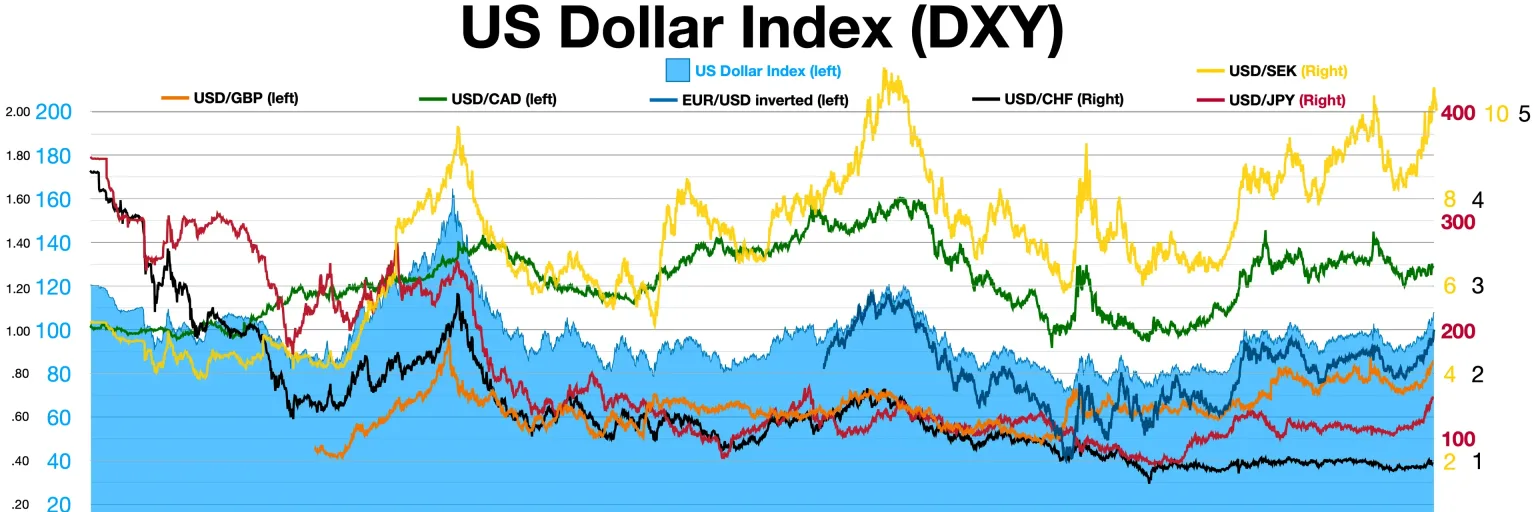
The US dollar's surge to an 18-month high reflects a dual narrative of global unease driving a flight to safety and anticipation of crucial inflation data that could cement further Federal Reserve action.
August's inflation data, particularly rising oil prices and persistent core pressures, cemented the Federal Reserve's decision to hike rates in September, impacting gold, the dollar, and Bitcoin.
Recent stock market retreats and surging bond yields signal a complex tug-of-war for investors. As inflation lingers and economic growth remains uncertain, a diversified approach is more crucial than ever.
Soft labor market figures, including significant downward revisions, are pushing the Federal Reserve towards a pause, despite persistent inflation concerns and recent hawkish rhetoric.
Mortgage rates have soared past 7% for 30-year fixed loans, signaling a tighter housing market where affordability is paramount and strategic borrowing decisions are crucial.
Upcoming central bank minutes will likely reveal continued inflation concerns, but recent signals from the US labor market and French financial stress suggest a potential pause in rate hikes, injecting market uncertainty.
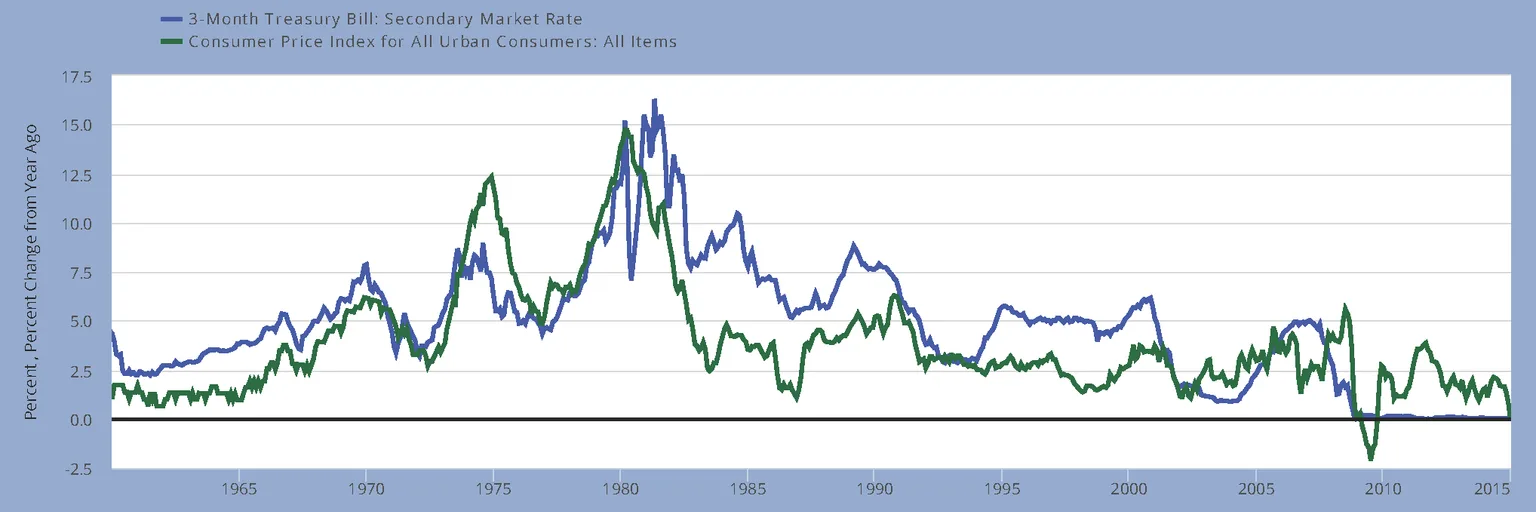
The Federal Reserve's recent interest rate increases are more than just financial headlines; they are a profound economic force reshaping US markets, curbing consumer spending, and impacting household finances.