The Fed's expected hold today is a pause, not a pivot: don't mistake it for relief
Markets price a hold today, but oil, sticky inflation and a likely December hike mean investors should treat this pause as a breather, not a signal to relax.
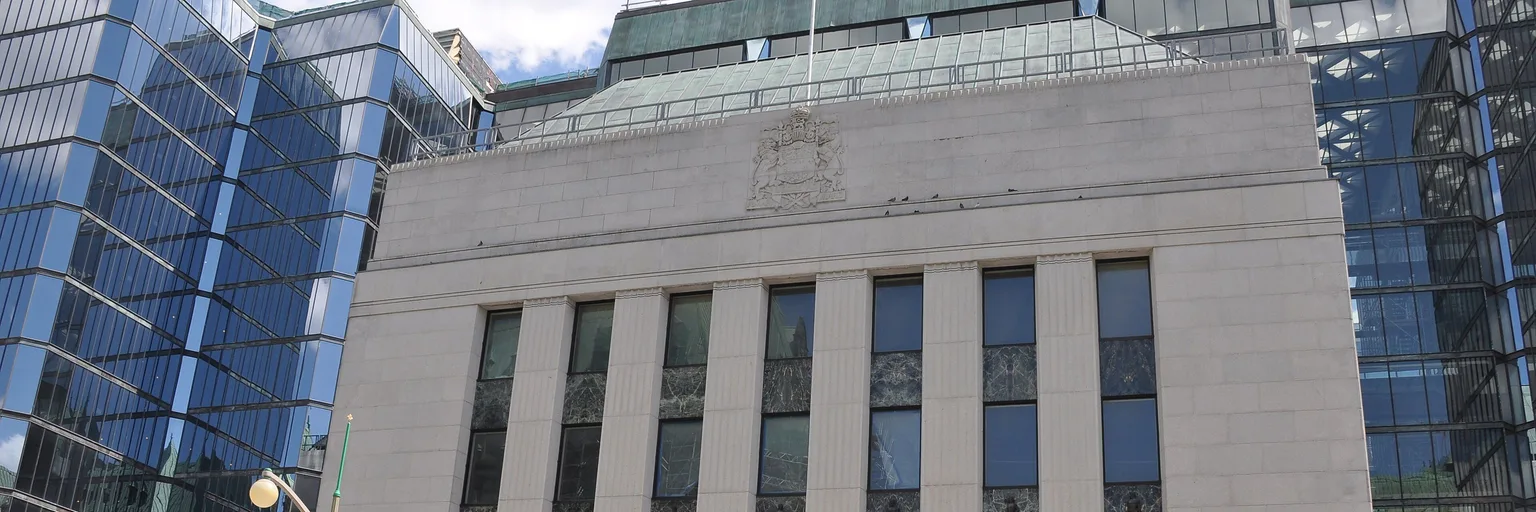
Photo: AgnosticPreachersKid / Wikimedia Commons (CC BY-SA 3.0)
Is a central bank that doesn't move really a central bank that's done? Today's Federal Reserve decision is a good test of that instinct, and we think the instinct fails.
The setup is simple. According to InfoMoney, CME's FedWatch tool shows roughly a 92% chance that the Fed keeps rates unchanged. That would follow a 25-basis-point hike in September, the first in more than three years, which took the target range to 3.75%-4.00%, as Livemint reports.
The same report says traders put the odds of a December hike at 83%. A hold today and a hike in December are not contradictory. In our reading, they are one plan.
A "pause" that the market already treats as an intermission
Look at how forecasters frame it. A Reuters poll cited by Mitrade found 94 of 100 economists expecting a hold today and all 100 expecting a hike in December. Kiplinger quotes Ethan Harris describing "a pattern of hikes at every other meeting." If that rhythm holds, today is the skipped beat, not the end of the song.
The reasons for continuing are not mysterious. September CPI ran at 3.7% annually, and core at 2.6%, both above the 2% target. Oil is jumping again after an attack on a Saudi refinery, per InfoMoney. Energy feeds inflation twice: directly at the pump and indirectly through everything that has to be shipped.
In our view, the political calendar also explains part of today's caution. Livemint notes the US midterms are six days away, and central banks tend to avoid big moves right before elections. That is an explanation for timing, not a change in direction.
The risk is reading calm as an all-clear
The tempting mistake is to treat "no change" as good news. Rate-sensitive assets don't work that way. The 10-year Treasury yield has risen 84 basis points in 2026, and NordFX has it back above 5% (5.02%). A hold doesn't reverse any of that. It just fails to add more.
There is also a genuine dilemma inside the Fed. Layoffs are near their lowest levels since the late 1960s, yet job seekers are finding it harder to get hired. Further hikes could squeeze that fragile hiring picture. That cuts both ways: it could eventually slow the Fed, but nothing in the current data suggests it will do so before December. We'd call that a hope, not a plan.
Outside the US, the effects are already visible. InfoMoney argues higher-for-longer US rates narrow the gap with Brazil's Selic and reduce room for cuts there. We won't extrapolate to your country, since each economy has its own rules and conditions. The general lesson is that US rates export pressure through the dollar.
What to do: shrink rate risk, don't bet on the date
This is not personalized advice, and no one knows what Chair Kevin Warsh will say at 2:30 p.m. ET. But a few principles seem sensible to us.
First, don't build a plan that only works if rates fall soon. If your budget, a variable-rate loan or a refinancing depends on cuts arriving, today is a good day to stress-test it against another hike.
Second, be wary of long-duration bets made on the assumption that the worst is behind us. Bond prices fall when yields rise, and yields have been rising. Shorter maturities or staggered holdings reduce how much any single decision matters.
Third, beware of reading cash as lazy. With the policy range at 3.75%-4.00%, holding some liquidity is no longer a sacrifice, and it gives you room to act if markets get jumpy.
Finally, tune out the headline noise around the announcement. The statement matters less than the tone of the press conference and the signals on December. Treat any single-day market reaction with suspicion.
Our verdict
Today's expected hold is a pause, and probably a short one. The sensible response isn't panic or prediction. It's to make sure your finances survive the scenario the market itself considers more likely than not: one more hike before the year ends. If it doesn't come, you've lost nothing. If it does, you won't have been caught reading a breather as a pivot.
No topics yet: start the first one.
More stories
Strong GDP isn't good news for rate relief: markets are betting on a Fed hike
A 3.4% growth print and 3.6% PCE inflation leave the Fed with little reason to ease; the market is betting on a December hike, not a cut.
A 3.4% GDP print isn't a green light: the Fed is thinking hikes, not cuts
US growth hit 3.4% while the Fed's favorite inflation gauge accelerated. The debate has moved past when cuts come to whether another hike is needed.
Fewer Fed meetings won't mean fewer shocks, just bigger ones
Cutting rate votes to seven in 2027 and six in 2028 won't calm markets. Fewer decision dates likely means each one carries more weight, and investors should plan for that.
Canada's rate hike is a warning shot, not a one-off
The Bank of Canada's move to 2.5% is driven by an oil shock that isn't local, so borrowers elsewhere shouldn't assume cuts are coming back soon.