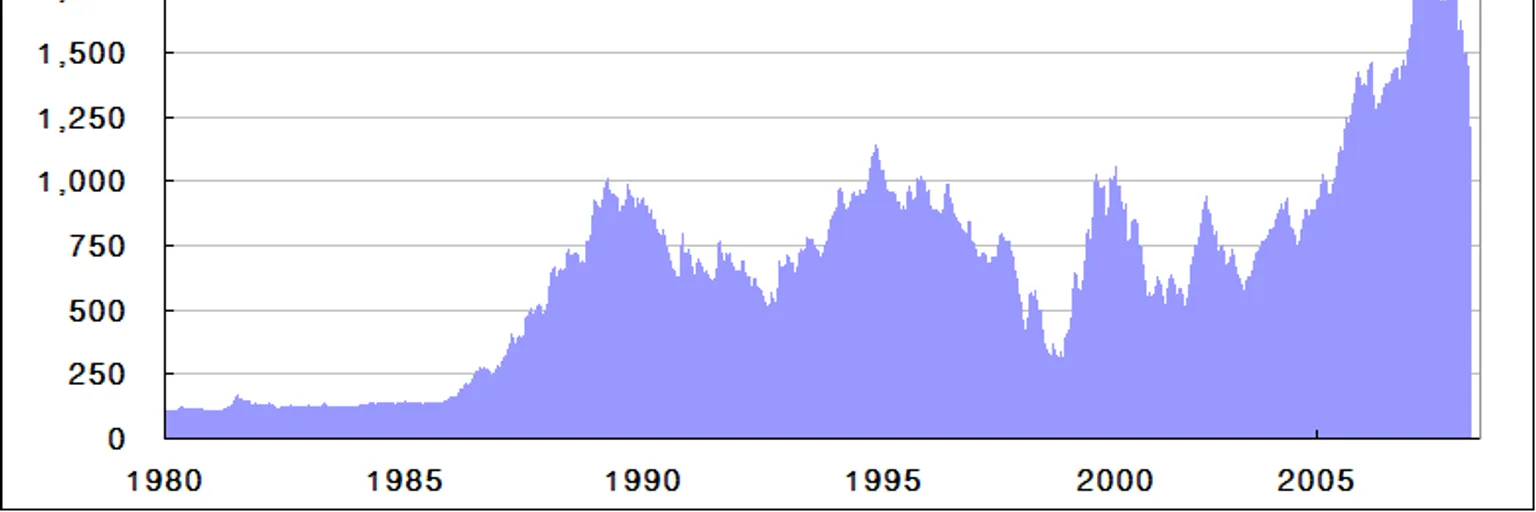
A 156-year stock market warning with six data points isn't a forecast
A signal seen only six times in 156 years makes a scary headline but thin evidence. Use it as a prompt to check concentration, not as a reason to time the market.

A spike in fear gauges says investors are scared, not that the sell-off is over. With AI valuations and sticky inflation in play, use any such signal to audit your plan.
Nvidia's biggest one-day gain ever followed Huang's reinstatement and Trump's backing. That makes it a governance and policy trade, and a fragile one.
Short-selling curbs, looser margin rules and a Korean stabilization fund can slow a rout. They can't answer whether borrowed AI money will pay off, so check your exposure.
South Korea's move to deploy a market stabilization fund says more about how fragile the AI sell-off is than about any floor under prices.
The worst streak since COVID is less a signal to panic or to bet on a quick rebound than a stress test of how much risk you hold and how concentrated you are.
A record listing was supposed to restore confidence in AI. Instead stocks and even gold fell together, which looks more like de-risking and rate fear than a verdict on one company.
Trump blames Democrats for a roughly $3 trillion sell-off, but the evidence points to AI worries and weak chip forecasts. Investors should check their risk, not pick a team.
After a near-$3 trillion stock sell-off, investors are eyeing US corporate bonds; the smart move is to treat credit as an income sleeve, not a Treasury-style hiding place.
Wall Street clawed back a huge slice of last week's AI rout in one session, yet Nvidia's Huang probe shows how much index portfolios lean on a single person.
Wall Street is cheering Trump's pledge to accept the results and a Democratic Congress, but relief trades fade fast. Earnings, rates and tariffs matter more.
The Nasdaq's 747-point slide, driven by AI worries and an Intel plunge, is a reminder that "diversified" index funds can hide big bets on a few names. Check before you react.
Intel beat on profit and still suffered its worst day in decades, while Amazon missed. The lesson for index-fund owners is how much one AI narrative is carrying.
Wall Street didn't reject AI this week. It rejected spending that arrives long before the profits do, and index-fund holders are more exposed to that than they think.
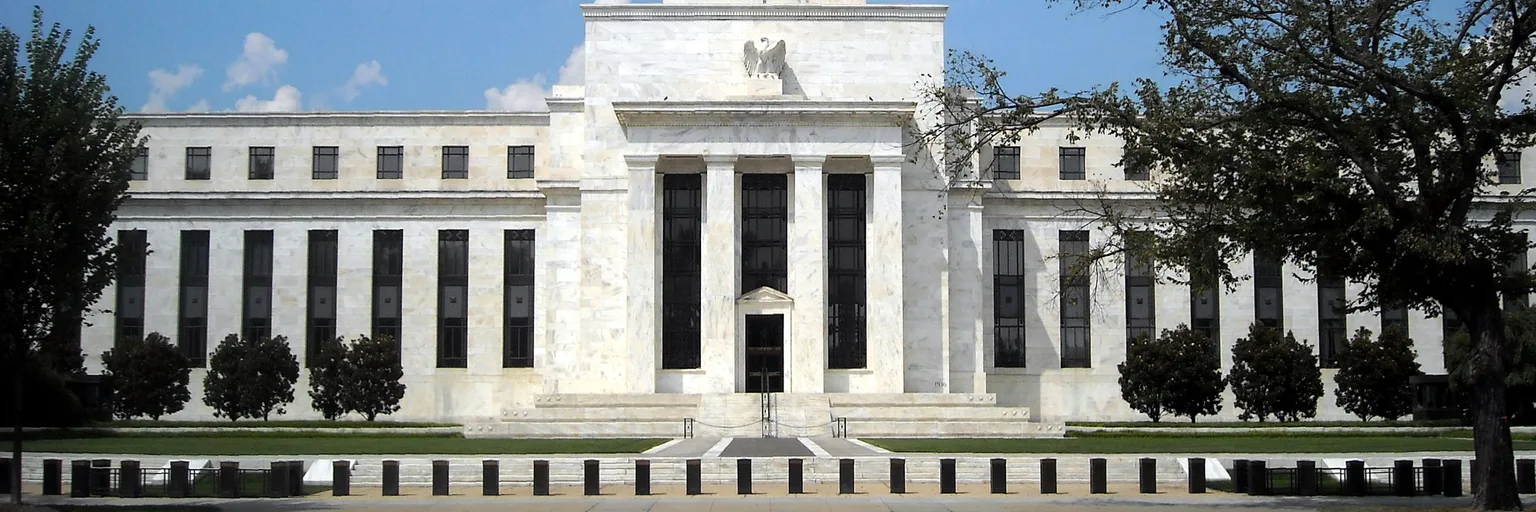
Cutting rate votes to seven in 2027 and six in 2028 won't calm markets. Fewer decision dates likely means each one carries more weight, and investors should plan for that.
A 13.88% one-day crash after Lula's win says more about surprised investors and fiscal doubts than about Brazil's future. Panic is the wrong reflex, but a check-up isn't.
A near-20% after-hours drop in Brazil's flagship ETF reflects a crowded trade unwinding, not a final judgment on Lula's term. Monday's session and fiscal signals matter more.
Volatility feeds exchange operators, and Deutsche Börse's 40% one-year rally shows investors know it. But a price near its yearly high means the good news may already be in the quote.
SCHG beat VOO by 134 points over ten years, but the lead came early, the last year went the other way, and the real question is how much growth you already own.
Meta beat on revenue and still saw its stock sold off. With free cash flow negative, investors look to be treating AI capex as a cost that has to earn its keep.
Hermès is still an exceptional luxury business, but its latest drop shows that quality cannot protect investors from high expectations, weak China sales and quarterly risk.
Netflix’s earnings test a market pricing in near-perfect execution, where solid profits may matter less than whether the forecast is exceptional.
The recent volatility of Siemens Energy's stock highlights the significant challenges and investor uncertainty facing companies crucial to Europe's ambitious energy transition goals amidst rising interest rates.
Despite minor market adjustments, gold prices remain notably low after a recent decrease, signaling persistent market caution and potentially creating a strategic entry point for long-term investors eyeing safe-haven assets.
The class-action lawsuit against D-Wave Quantum, amidst its stock reaching a new 12-month low, starkly illuminates the significant legal and financial risks embedded in high-growth, emerging tech sectors like quantum computing, contrasting the narrative of boundless innovation with the need for accountability.
Despite strong order backlogs, Rheinmetall's recent stock slump signals a crucial shift in investor sentiment, demanding concrete execution and robust cash flow over mere political commitments in the European defense sector.
European equities face a challenging open, with policy uncertainties and ongoing geopolitical tensions underscoring a broader market vulnerability. We examine the critical risks at play.
The recent fluctuations in the Canadian dollar against its US counterpart offer crucial insights into broader economic currents, signaling both challenges and opportunities for global trade and investment.
Tesla's strategic pivot towards AI and robotics, while its core automotive business wanes, creates a high-stakes scenario where its valuation hinges on future dreams, not present realities.
While geopolitical tensions currently favor refining giants like Valero, the shifting dynamics of global oil supply and demand signal a potentially oversupplied market by 2027 that could erode present advantages.
Amidst persistent interest rate elevation and market volatility, high-yield savings accounts emerge as a crucial tool for savers to significantly grow funds securely while maintaining liquidity.
As investor caution grows over high equity valuations, mixed inflation signals, and geopolitical uncertainty, the current market environment demands a prudent and selective approach.