The ECB's October pause was no relief: plan for a December hike
The minutes show many policymakers would have raised rates in October. Borrowers and savers should treat a December increase as the base case, not a risk.
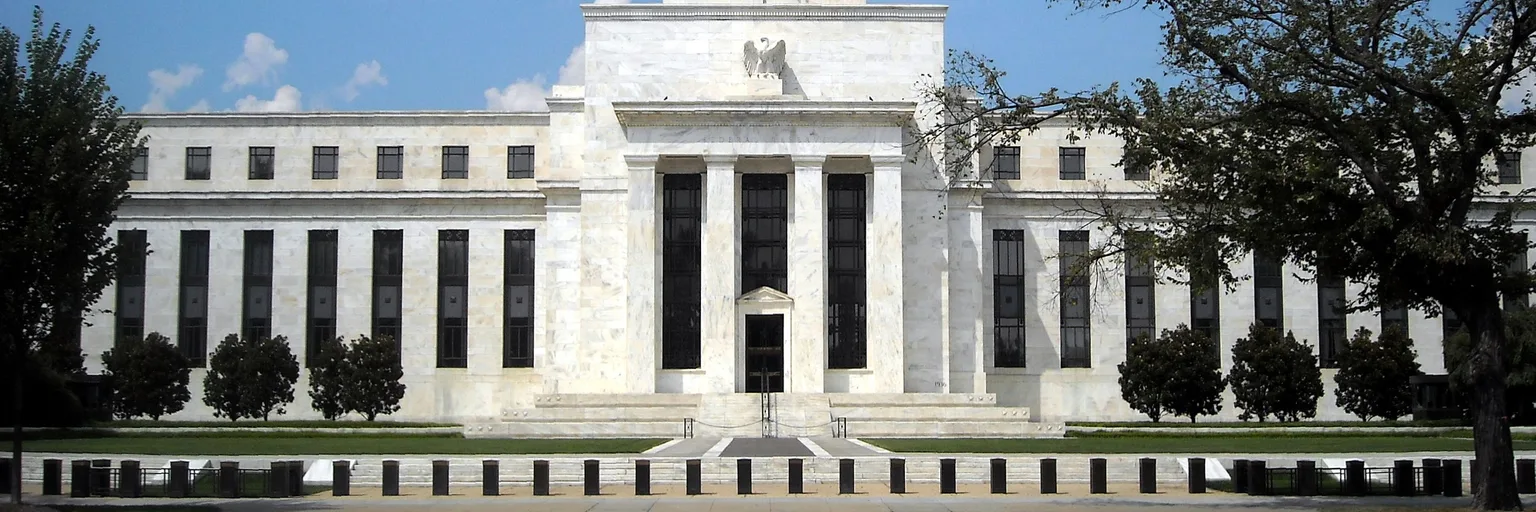
Photo: Norbert Nagel / Wikimedia Commons (CC BY-SA 4.0)
When a central bank holds rates, the instinct is to exhale. The ECB's October pause deserved no such reaction. The minutes published this week show the hold was much closer to a hike than the headline suggested, and anyone with a variable-rate loan should read it that way.
According to the minutes, as reported by EFE via ABC Paraguay, a large number of members said they could have supported a rate increase at the October 29 meeting. The ECB kept rates at 2.5%. These members argued a further hike was justified by a worsening inflation outlook. They also acknowledged high uncertainty, noted that rising yields were already having an impact on financial conditions, and said there were no second-round effects so far.
A pause with a large hawkish group isn't a real pause
Look at what the minutes actually describe. In our reading, the hold was a choice to wait, not a belief that a hike was unnecessary. Many members also judged that energy prices had overshot the adverse scenario, making energy inflation broader and more persistent. That is a central bank saying its own worst-case planning was too optimistic.
The arguments for waiting were reasonable: higher yields were already having an effect, and no second-round effects had appeared yet. But those are reasons to delay, not to stand down. Euro-area inflation is at 4%, two-tenths above September, according to 20minutos. Unless something breaks in the next three weeks, we think the case for waiting gets weaker, not stronger.
The market has already moved, so don't wait for the announcement
Markets agree. Expansión reports that after the October meeting, traders priced roughly an 80% probability of a quarter-point hike to 2.75% on December 17. It also notes that Christine Lagarde left the door open to that move if the current scenario holds. The 12-month Euribor sits at 3.328%, and November's average is heading for the highest of 2026.
This is why we think "wait and see" is the wrong posture for borrowers. The index has priced in much of the hike. What matters in December is the signal for 2027. If the ECB hints at more tightening, Expansión suggests Euribor could top 3.4% for the first time. That is a forecast, not a fact, but it's the one worth planning around.
The cost is concrete. For a €150,000 mortgage over 25 years at Euribor plus 1%, with annual resets, the payment rises by about €89 a month compared with a year ago, per Expansión's calculation. Semiannual resets feel much milder. Households that haven't checked their reset date are the ones who will be surprised.
What we'd do, and what we wouldn't
This isn't personalized advice, and rules and products differ by country. The examples here are Spanish, and it would be a mistake to map them onto other euro-area markets. With that caveat, the sensible moves are boring: know when your loan resets, ask whether a fixed or mixed rate is available, and compare what other lenders offer. Early repayment is worth considering if you have savings. Fixed-rate offers will already carry the expectation of higher rates, so don't assume a better deal appears after the meeting.
Savers have the mirror-image story, but with less certainty. Higher policy rates generally push deposit rates up over time. How quickly banks pass that on varies, and we can't promise anything from this documentation.
The real downside risk to our thesis is growth. The euro area still shows signs of stagnation, and raising rates into flat activity is delicate. The minutes themselves flag high uncertainty. A weak data print could stay the ECB's hand. But that is the alternative scenario, not the central one.
Our verdict: treat the October hold as a stay of execution. Plan for 2.75% in December, stay alert to what the ECB says about 2027, and don't let a two-day dip in Euribor persuade you the tightening cycle has ended.
No topics yet: start the first one.
More stories
Hernández de Cos at the ECB: read his record, not the flag
The EU summit is set to hand Spain its first ECB presidency, but what matters for savers and borrowers is a pragmatic, bias-free profile and an inflation problem he inherits.

A 4.3% GDP print is bad news if you're waiting for rate cuts
US growth above forecasts, hot inflation and a Fed leaning toward hikes make the tech selloff and falling yields look like a mixed signal, not an all-clear.
Energy is pushing central banks back to hiking: plan for higher for longer
Four central banks reportedly lean toward tightening as energy costs keep inflation alive. Savers and borrowers should stop waiting for a quick return to cheap money.

A 10% credit card cap sounds like relief, but it could lock people out
Capping card rates at 10% is easy to cheer for, but the likeliest losers are riskier borrowers who lose cards, rewards or both. Plan for that, not the headline.