Invesfera Newsroom
Hands off the ECB: politicized money is a tax on savers
Pressure on the ECB may sound like cheap financing for governments, but we think the bill lands on savers and borrowers through a higher price for inflation risk.
Pressure on the ECB may sound like cheap financing for governments, but we think the bill lands on savers and borrowers through a higher price for inflation risk.
Paris and Berlin are haggling over who runs the ECB, but the real bet is how hawkish it stays. Savers and borrowers should read it as a rates signal.
A hot October CPI turned a quarter-point hike into the floor of the debate. Investors should stress-test bond and growth exposure for a steeper path, not one more step.
With eurozone inflation at 4% on energy, markets are right to price a December hike. The smarter question is whether it's the last, and what that means for your money.
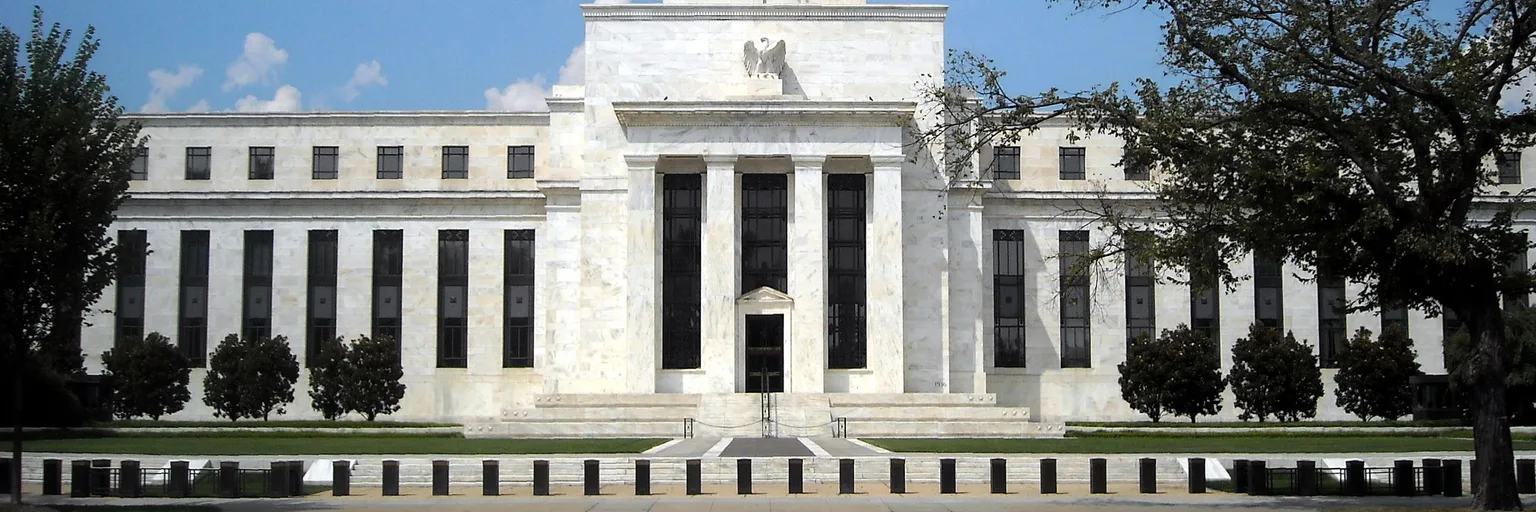
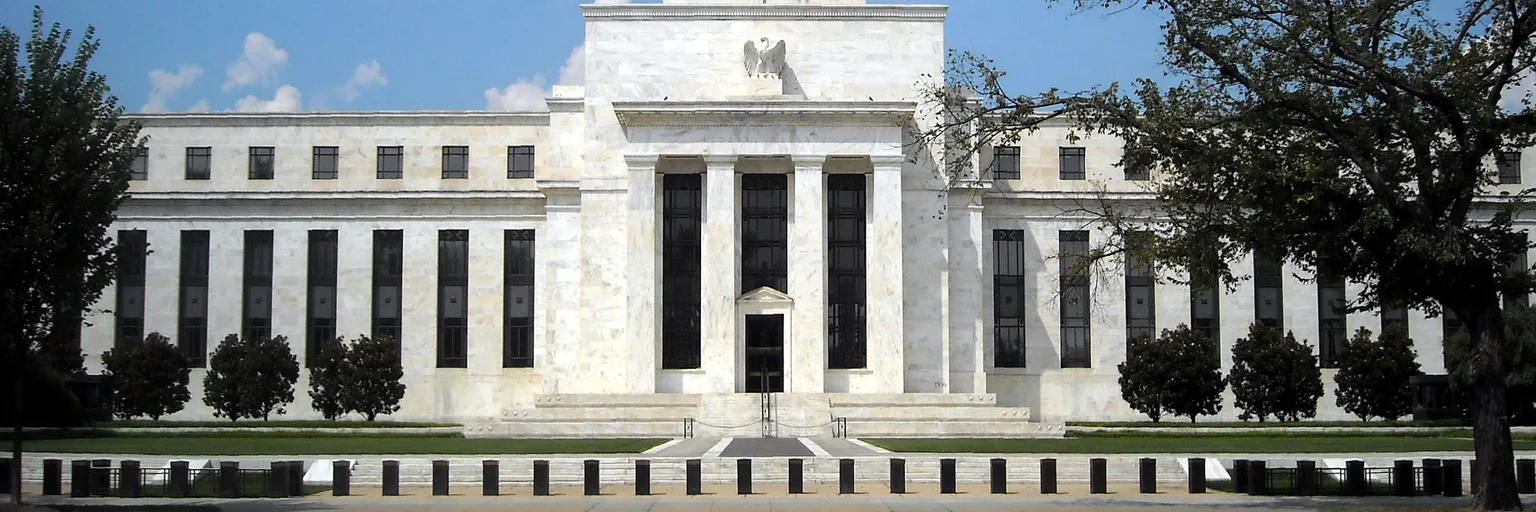
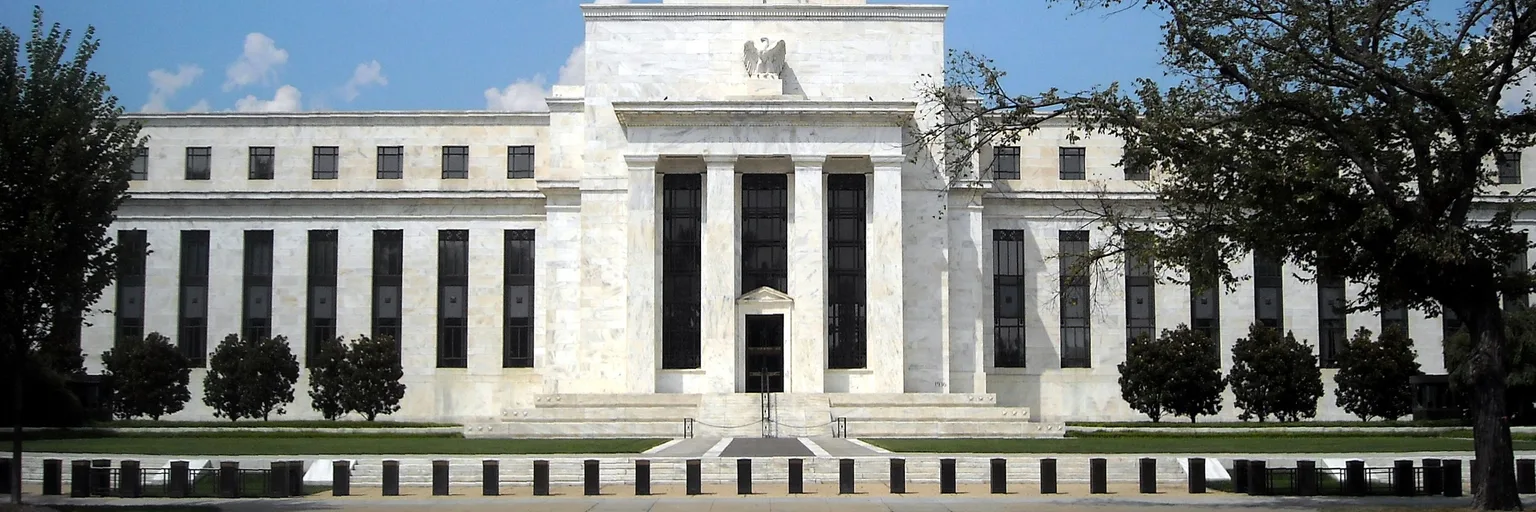
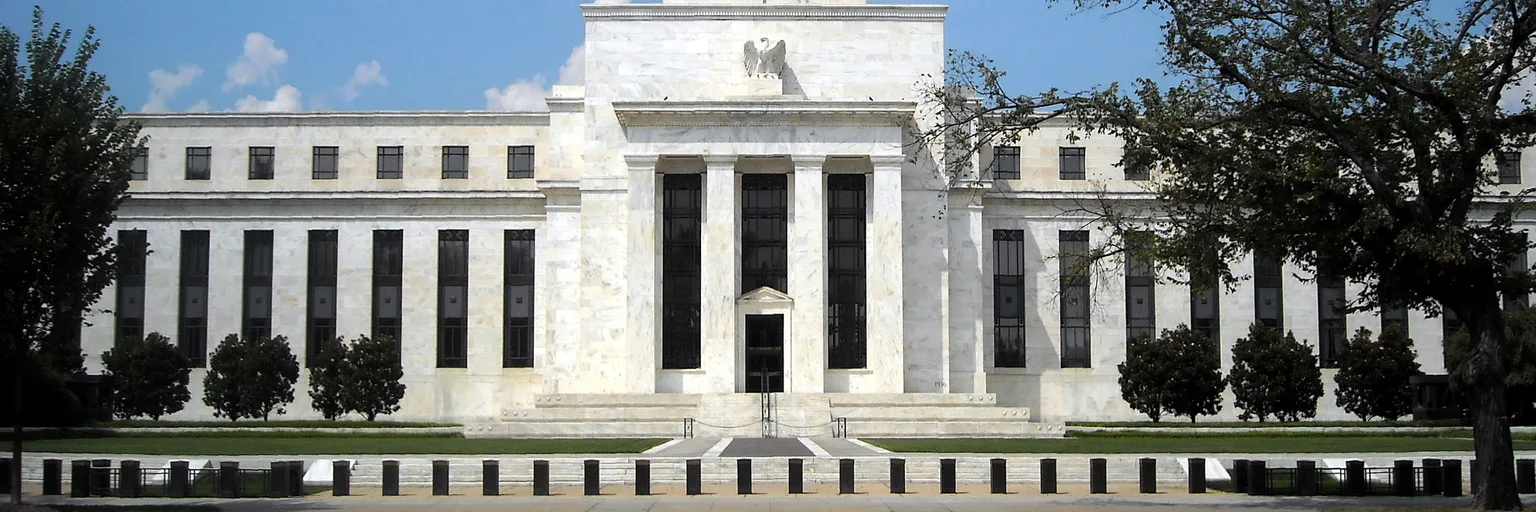
With US interest costs above $1 trillion, the Fed's mixed signals may be less about confusion and more about debt management. Savers should plan accordingly.
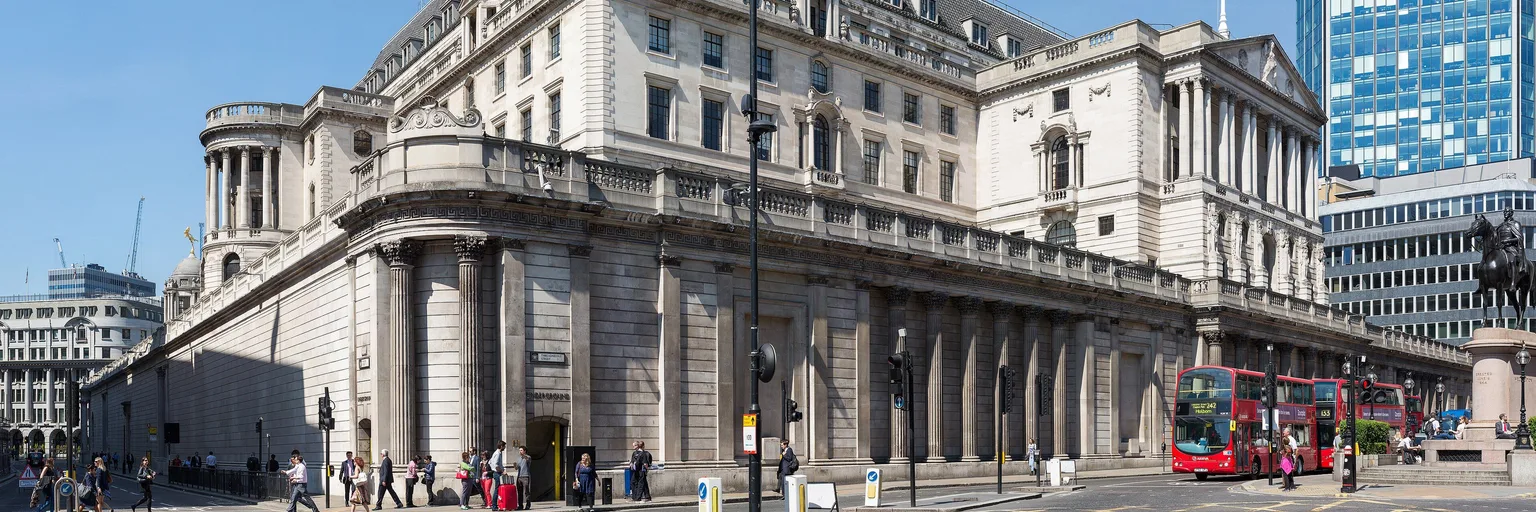
A quarter-point rise looks small, but with energy-driven inflation at 3.5%, UK borrowers and savers should stop waiting for a quick reversal and rebuild their plans.
October's weak Chinese PMI matters less as a scary headline than as a prompt to check how much of your portfolio quietly depends on Chinese demand before you act.
Hiring Telefónica and Indra makes the digital euro look like infrastructure, not a debate. For savers, the open questions are holding limits and what it does to bank deposits.
The ECB held rates, but Panetta and Kocher are openly discussing hikes as Italian inflation hits 5.4%, so borrowers and savers should rebuild their assumptions around higher rates.
Brussels says platforms should foot the bill for the new parcel charge, yet nothing stops them passing it on. European retailers are unlikely to be the big winners.
France shrinks, Germany crawls and Spain keeps growing, yet French inflation is climbing again. That mix means weak growth may not bring lower rates for European savers and borrowers.
Bogotá's bill would widen VAT, trim spending and raise health contributions. Who really pays is unsettled, and investors in Colombian assets should watch Congress.
Central banks from Manila to Kyiv are raising rates as inflation bites, and the peso's slide shows the risk. Savers chasing high local yields should treat exchange-rate risk as part of the return.
Federal debt has reached the size of the US economy. The risk isn't a crash day but long-term yields near 5% that could quietly raise what everyone pays to borrow.
A 3.4% growth print and 3.6% PCE inflation leave the Fed with little reason to ease; the market is betting on a December hike, not a cut.
US growth hit 3.4% while the Fed's favorite inflation gauge accelerated. The debate has moved past when cuts come to whether another hike is needed.
Cutting rate votes to seven in 2027 and six in 2028 won't calm markets. Fewer decision dates likely means each one carries more weight, and investors should plan for that.
The Bank of Canada's move to 2.5% is driven by an oil shock that isn't local, so borrowers elsewhere shouldn't assume cuts are coming back soon.
Markets price a hold today, but oil, sticky inflation and a likely December hike mean investors should treat this pause as a breather, not a signal to relax.
With CPI at 3.7% and a September hike behind it, the Fed's expected pause looks like a tightening bias, and investors betting on cuts are reading the wrong signal.