Invesfera Newsroom
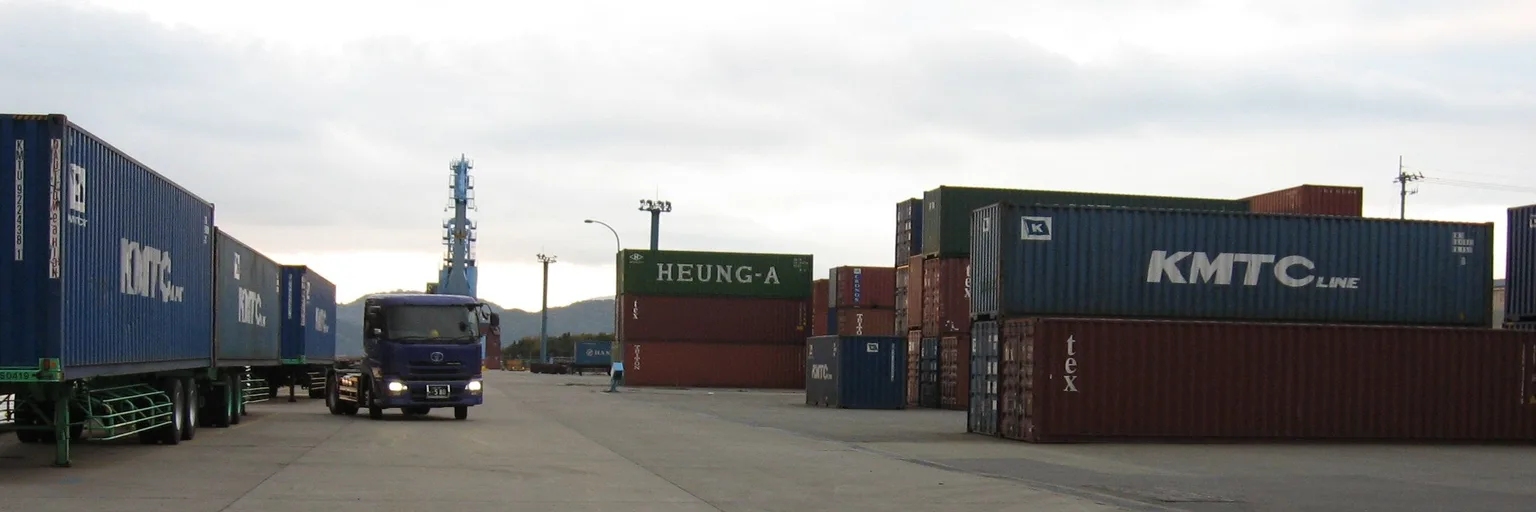
Japan’s Export Boom Is Real—but Too Narrow to Trust
A 16.7% export surge looks powerful, yet chips and selected industrial goods may be carrying a recovery exposed to weaker trade, tariffs and volatile AI demand.
A 16.7% export surge looks powerful, yet chips and selected industrial goods may be carrying a recovery exposed to weaker trade, tariffs and volatile AI demand.
Italy can justify asking more from large fortunes, but a wealth tax will remain a symbol unless the state proves it can use existing revenue better.
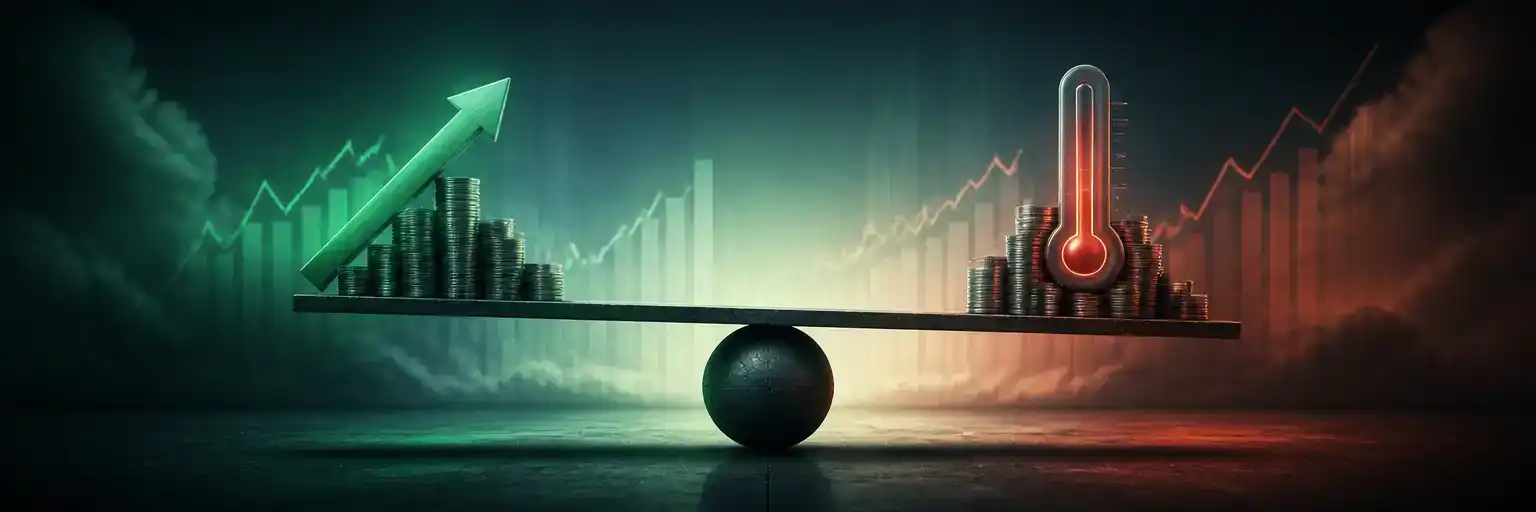
The International Monetary Fund's recent warnings about AI's double-edged sword, escalating national debt, and persistent high energy prices highlight a global economy balancing on the edge of precarious stability.
Mongolia's transition from a major World Bank aid recipient to a donor for the poorest nations signals a profound shift in global economic power dynamics and development paradigms.
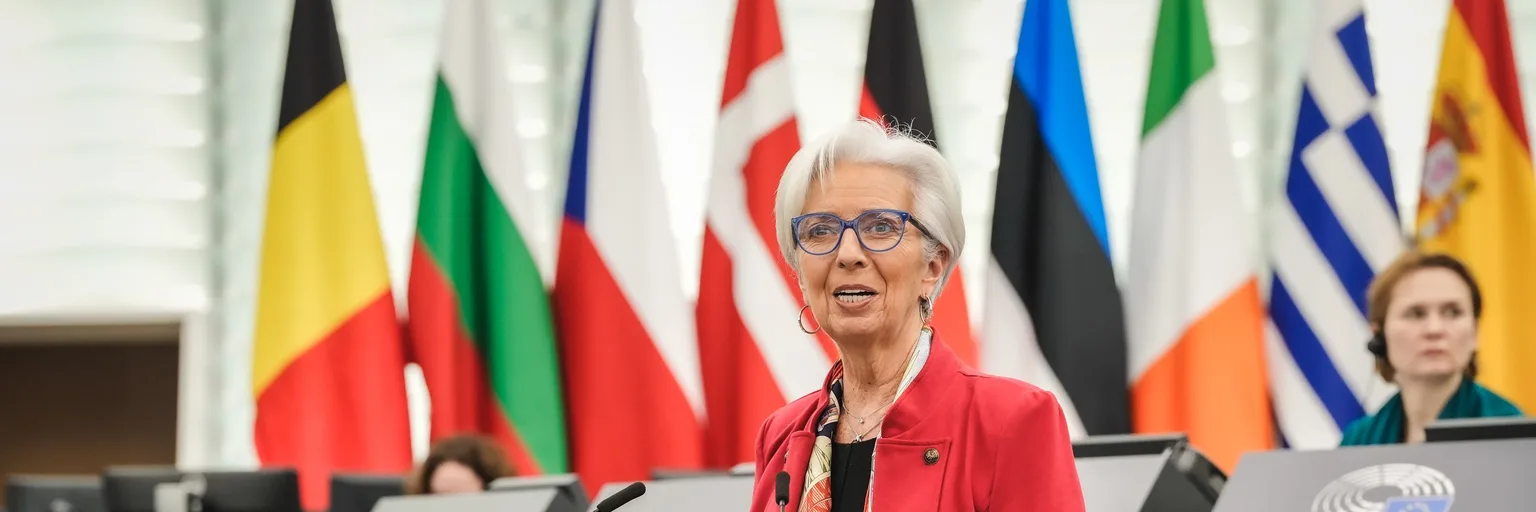
ECB President Christine Lagarde sees rising long-term bond yields as a powerful force against inflation, a perspective that is shaping market expectations for the central bank's next interest rate moves.
The IMF's consistent advocacy for further European Central Bank rate hikes contrasts sharply with the Bank of Canada's recent decision to maintain its policy rate, highlighting divergent pressures and policy approaches in a complex global economy.
President Trump's abrupt decision to suspend key sanctions and tariffs on Russia, citing national interests, signals a profound shift that could reshape global energy markets and test the resilience of economic alliances.
A stark decline in exports to the US and a ballooning deficit with China reveal deep vulnerabilities in the European Union's trade strategy, demanding immediate, radical diversification.
The European Council's recent summit underscores a fragmented bloc, with member states clashing over shared fiscal policy and energy strategy amid escalating global conflicts and economic pressures.
Greenland's parliament has voted to draft legislation for a temporary ban on deep-sea mining until 2029, signaling a potent blend of resource nationalism and environmental responsibility, setting a new precedent for global mineral investment.
While many major economies brace for continued slowdowns, Singapore's robust 5.4% year-on-year GDP growth in Q3 2026 offers a compelling case study in navigating international headwinds with strategic agility.
Robert E. Hall and Michael Woodford's Nobel win for microeconomic foundations of macroeconomic stabilization offers vital tools for modern policymakers battling economic shocks and uncertain futures.
The European Central Bank's recent interest rate increase reshapes household finances, making borrowing more expensive while creating new opportunities for savers to grow their wealth.
Increased oil exports from the Middle East offer a mirage of normalcy. Ongoing attacks, costly workarounds, and broader market pressures ensure consumers continue to pay a premium at the pump.
The European Central Bank faces a complex dilemma as rising long-term bond yields naturally curb economic growth, yet persistent energy price surges keep inflation stubbornly high, complicating future policy decisions.
Soft labor market figures, including significant downward revisions, are pushing the Federal Reserve towards a pause, despite persistent inflation concerns and recent hawkish rhetoric.
Germany's pension costs are projected to consume nearly half of tax revenues by 2040 if proposed reforms are enacted, threatening public finances and sparking an intergenerational crisis.
Leading economists and research initiatives like ClosinGap demonstrate that reducing gender and wealth inequality is not merely an ethical choice, but a powerful engine for economic growth and stability.
The unexpected surge of eurozone inflation to 3.8% in September, propelled by soaring energy costs, challenges the European Central Bank's stability goals and signals a potentially prolonged period of economic strain.
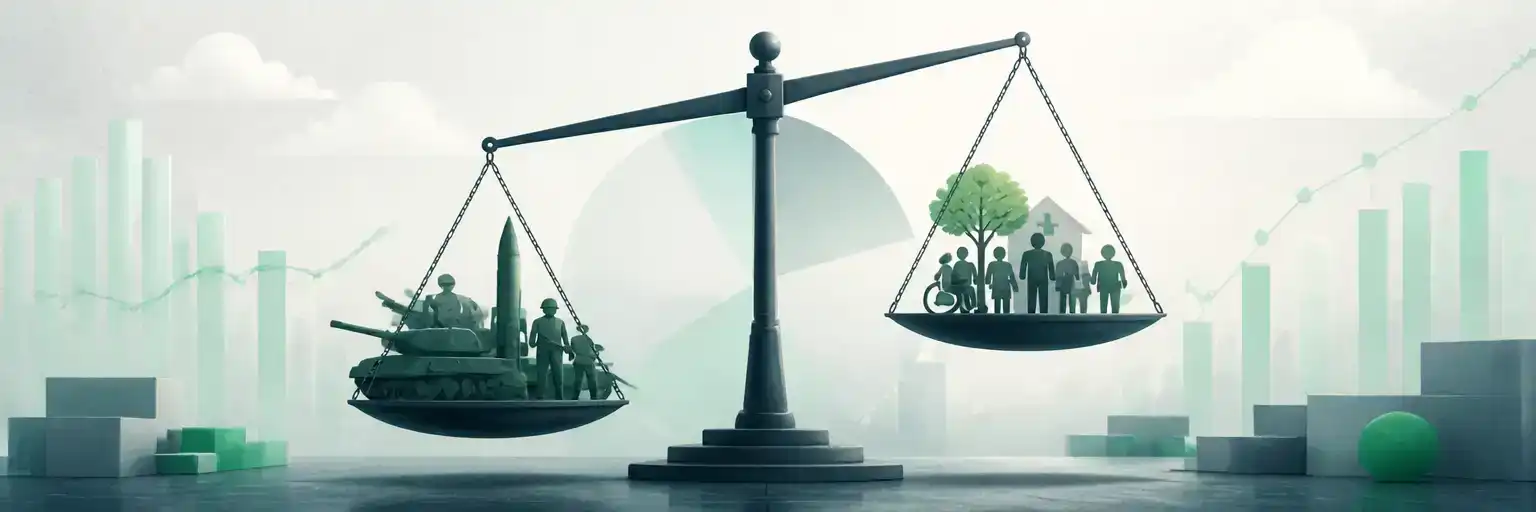
Despite initial appearances of resilience, international sanctions and escalating military expenditures are forcing Russia into deep budget deficits, prioritizing war over social welfare and revealing long-term economic vulnerabilities.