Why the ECB's Latest Rate Hike Demands a Financial Overhaul
The European Central Bank's recent interest rate increase reshapes household finances, making borrowing more expensive while creating new opportunities for savers to grow their wealth.
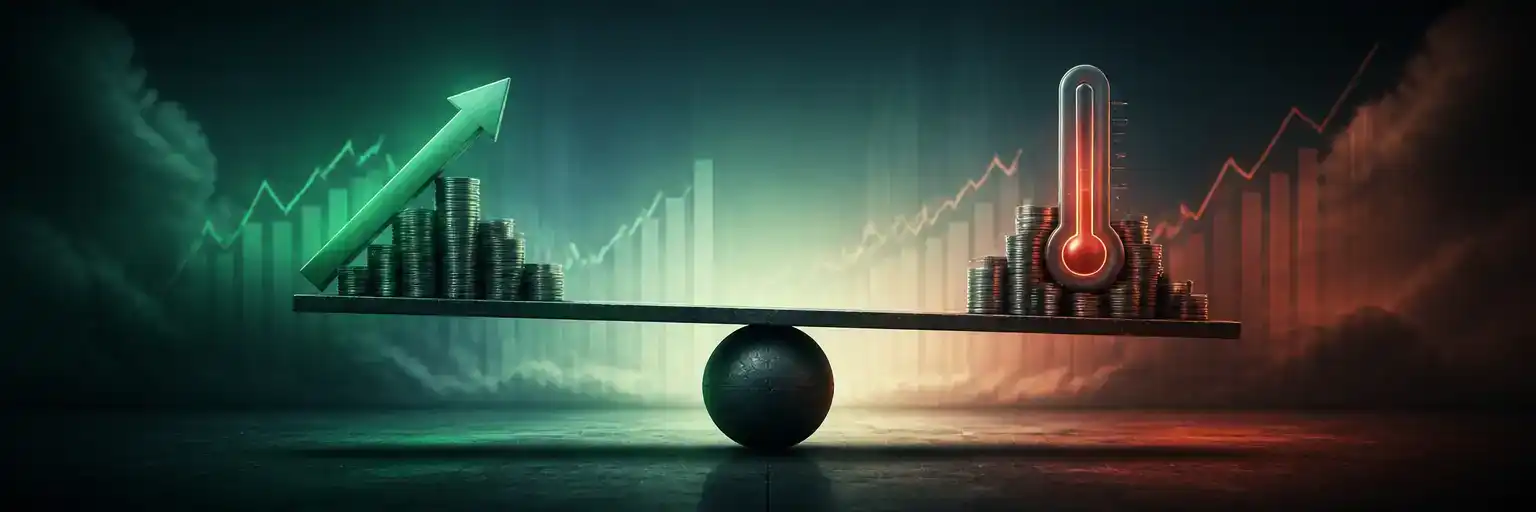
AI-generated image
Are we entering a new era of financial prudence, driven by central bank action and global instability? The European Central Bank's (ECB) latest move certainly suggests it.
Last month, on September 10, 2026, the ECB announced its second interest rate hike of the year, increasing the key deposit rate by 0.25 percentage points to 2.5%, with the main refinancing rate now at 2.65%. This decision by Europe's monetary guardians is a direct response to persistent inflation, currently standing at 3.3% in the Eurozone—well above the targeted 2% price stability benchmark. The primary catalyst for this elevated inflation is the ongoing conflict involving the USA, Israel, and Iran, which has severely disrupted the supply of crucial raw materials like oil and gas from the Persian Gulf. This situation has sent energy prices soaring and, consequently, pushed the cost of living upwards across the continent.
This deliberate tightening of monetary policy aims to curb consumer demand and, eventually, bring prices back under control. However, such a move reverberates through every aspect of the economy, compelling consumers to critically re-evaluate their financial strategies, from how they borrow to how they save.
Variable Mortgages Face a New Reality
For many homeowners, especially those with variable-rate mortgages, the ECB's decision brings an immediate and tangible impact. As the official cost of money rises, so too does the interest rate on these dynamic loans. This means a direct increase in monthly payments, adding strain to household budgets already feeling the pinch of higher energy and food costs. While fixed-rate mortgages currently in effect remain insulated from these immediate changes, the broader environment of elevated interest rates means that anyone considering refinancing or a new mortgage will face significantly higher borrowing costs. Analysts have already noted that variable-rate mortgages will experience increased pressure, reflecting the market's swift reaction to the ECB's signals.
It is important to understand that while these changes can be challenging, they are a predictable outcome of the ECB's mandate to maintain price stability. Consumers with variable-rate debt may need to adjust their budgets or explore options to mitigate rising costs, such as considering partial fixed-rate arrangements if their banks offer them.
Loans and Consumer Spending: A Clear Deterrent

Beyond mortgages, the interest rate hike makes all forms of credit more expensive. Personal loans, car financing, and lines of credit will carry higher interest rates, deterring consumers from taking on new debt or making large purchases. This effect is precisely what the ECB intends: by making borrowing less attractive, it aims to cool down overall demand in the economy, thereby reducing inflationary pressures. While essential purchases may still proceed, discretionary spending is likely to diminish as the cost of financing rises. The logic is straightforward: when borrowing is expensive, saving becomes more appealing, and consumption naturally slows down. This shift can impact various sectors, from retail to manufacturing, as businesses grapple with potentially reduced consumer demand and higher financing costs for their own investments.
A Silver Lining for Savers: Better Returns on Deposits
Amidst the rising costs of borrowing, there is a distinct upside for savers. Higher ECB interest rates translate directly into better returns on short- to medium-term savings products like fixed-term deposits and overnight money accounts. Banks, receiving more interest on their reserves held at the ECB, are incentivized to offer more attractive rates to attract customer deposits. For instance, Commerzbank is currently offering a 2.25% p.a. interest rate on new overnight accounts. This shift marks a significant departure from the prolonged period of near-zero interest rates, providing a much-needed opportunity for households to grow their savings more effectively. It encourages a reallocation of funds from low-yield accounts into options that can now offer a real return, helping to preserve purchasing power in an inflationary environment. While the immediate gains may not fully offset the impact of inflation, it is a positive development for those looking to secure their financial future.
In our view, the ECB's latest rate hike is a necessary, albeit challenging, step to anchor inflation expectations and protect the long-term stability of the Eurozone economy. Consumers are now faced with a clear imperative: adapt. This means meticulously reviewing personal budgets, exploring saving opportunities that now offer better yields, and exercising caution with new borrowing. The prevailing geopolitical tensions and their impact on energy prices suggest that this environment of higher rates and financial vigilance may persist for some time, with some experts forecasting further hikes in the coming months. Therefore, proactive financial planning is not just advisable; it is essential.
No topics yet: start the first one.
More stories
Hormuz Oil Flows Surge, Yet Your Gas Tank Remains Pricey
Increased oil exports from the Middle East offer a mirage of normalcy. Ongoing attacks, costly workarounds, and broader market pressures ensure consumers continue to pay a premium at the pump.

ECB's Dual Challenge: Bond Yields Slow Growth, Energy Fuels Inflation
The European Central Bank faces a complex dilemma as rising long-term bond yields naturally curb economic growth, yet persistent energy price surges keep inflation stubbornly high, complicating future policy decisions.
The Fed's October Dilemma: Why Weak Jobs Data May Outweigh Inflation
Soft labor market figures, including significant downward revisions, are pushing the Federal Reserve towards a pause, despite persistent inflation concerns and recent hawkish rhetoric.

Germany's Pension Debt: The 46% Tax Black Hole Threatening Future Generations
Germany's pension costs are projected to consume nearly half of tax revenues by 2040 if proposed reforms are enacted, threatening public finances and sparking an intergenerational crisis.