Hormuz Oil Flows Surge, Yet Your Gas Tank Remains Pricey
Increased oil exports from the Middle East offer a mirage of normalcy. Ongoing attacks, costly workarounds, and broader market pressures ensure consumers continue to pay a premium at the pump.
AI-generated image
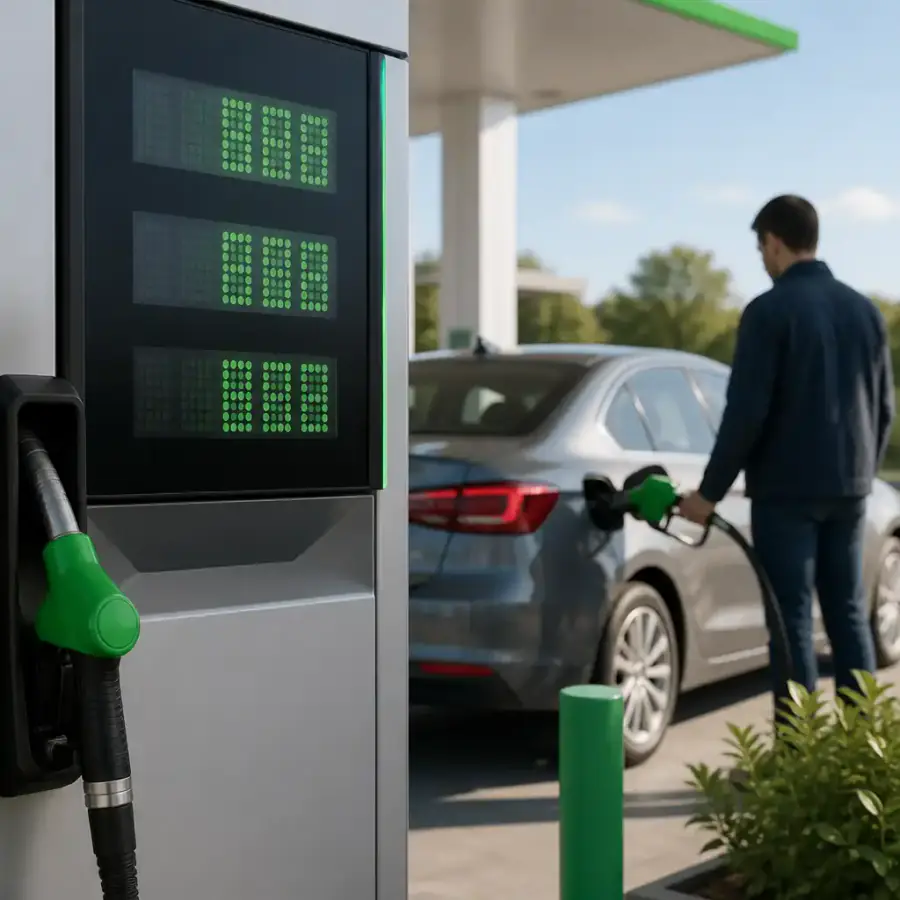
Why are gas prices still stubbornly high, even as news reports suggest an easing of disruptions in the crucial Strait of Hormuz? It’s a question echoing across American households, highlighting a critical misunderstanding of the multifaceted global energy market. The reality is that fuel prices are far more complex than the status of a single shipping lane, no matter how vital. Even with a reported recovery in oil exports from the Middle East, the factors pushing up costs at the pump—from refining bottlenecks to market sentiment—remain potent.
Indeed, Gulf oil flows, excluding Iran, have recovered to over 81 percent of pre-war levels in September, and Middle East crude exports even exceeded pre-war levels on 14 days during the month, according to maritime intelligence firm Kpler. However, this recovery has been hard-won, characterized by a surge in attacks on ships around the Strait of Hormuz. At least seven incidents involving tankers were reported in the past week, with a Kuwaiti-flagged VLCC catching fire after being struck on October 1, as Al Jazeera reported. This precarious stability has prompted the G7 nations to plan the release of 100 million barrels of oil and fuel products.
The illusion of an 'open' Strait
Despite the increased volume of oil leaving the Middle East, the Strait of Hormuz is not operating under normal conditions. Following the war that began on February 28, Iran effectively closed the strait, critically restricting daily shipping traffic to a fraction of pre-war levels. For instance, in September, daily traffic in the strait averaged fewer than 23 ships a day, a sharp decline from hundreds before the war, according to NBC News. The current flow is largely enabled by extraordinary measures, including Saudi Arabia's effective use of its East-West pipeline and a complex system of ship-to-ship transfers, as OilPrice.com notes.
This bypass strategy means about 40 percent of oil exports now circumvent the strait. For the crude that does cross, much of it is transferred between tankers offshore, often involving smaller shuttle boats that turn off transponders to avoid detection. This is
No topics yet: start the first one.
More stories
Why the ECB's Latest Rate Hike Demands a Financial Overhaul
The European Central Bank's recent interest rate increase reshapes household finances, making borrowing more expensive while creating new opportunities for savers to grow their wealth.

ECB's Dual Challenge: Bond Yields Slow Growth, Energy Fuels Inflation
The European Central Bank faces a complex dilemma as rising long-term bond yields naturally curb economic growth, yet persistent energy price surges keep inflation stubbornly high, complicating future policy decisions.
The Fed's October Dilemma: Why Weak Jobs Data May Outweigh Inflation
Soft labor market figures, including significant downward revisions, are pushing the Federal Reserve towards a pause, despite persistent inflation concerns and recent hawkish rhetoric.

Germany's Pension Debt: The 46% Tax Black Hole Threatening Future Generations
Germany's pension costs are projected to consume nearly half of tax revenues by 2040 if proposed reforms are enacted, threatening public finances and sparking an intergenerational crisis.