Invesfera Newsroom
Brazil's soy is now a bargaining chip, and investors should price it that way
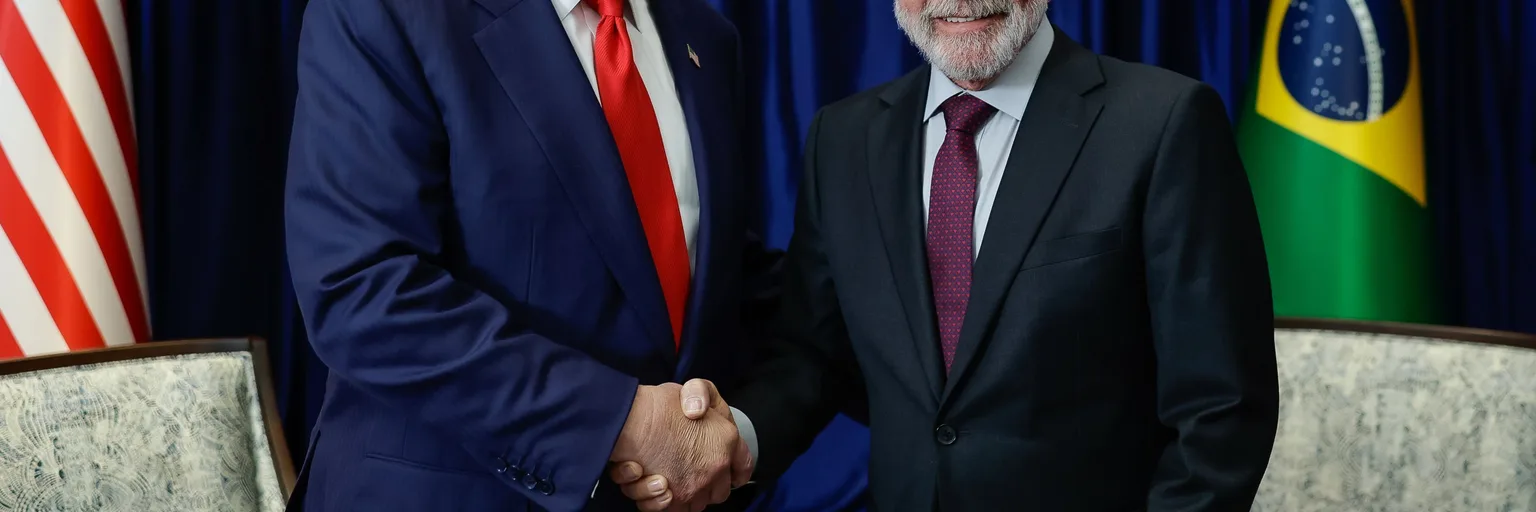
Trump's Philippines pitch and an unfinished US-China truce show Brazilian agribusiness depends on great-power deals, not only on rain and yields.
Audi's first U.S. factory was announced on a Trump campaign stage, years before it builds a car. We think investors should read it as defensive spending, not expansion.
Rheinmetall's Spanish expansion shows rearmament turning into local factory deals, but investors should weigh margins, court risk and politics before buying the story.
Volotea’s route cuts are a warning that low fares depend on a delicate balance of fuel costs, geopolitical risk and margins too thin to absorb shocks.
European equities face a challenging open, with policy uncertainties and ongoing geopolitical tensions underscoring a broader market vulnerability. We examine the critical risks at play.
Recent drone attacks on St. Petersburg's critical infrastructure signal an alarming escalation, forcing businesses to re-evaluate geopolitical risks and fortify supply chain resilience.
Mongolia's transition from a major World Bank aid recipient to a donor for the poorest nations signals a profound shift in global economic power dynamics and development paradigms.
The brazen attacks by Israeli settlers on European diplomats in the West Bank signal a critical turning point, demanding a reevaluation of regional investment stability and international policy.
President Trump's abrupt decision to suspend key sanctions and tariffs on Russia, citing national interests, signals a profound shift that could reshape global energy markets and test the resilience of economic alliances.
A stark decline in exports to the US and a ballooning deficit with China reveal deep vulnerabilities in the European Union's trade strategy, demanding immediate, radical diversification.
The European Council's recent summit underscores a fragmented bloc, with member states clashing over shared fiscal policy and energy strategy amid escalating global conflicts and economic pressures.
Greenland's parliament has voted to draft legislation for a temporary ban on deep-sea mining until 2029, signaling a potent blend of resource nationalism and environmental responsibility, setting a new precedent for global mineral investment.
While geopolitical tensions currently favor refining giants like Valero, the shifting dynamics of global oil supply and demand signal a potentially oversupplied market by 2027 that could erode present advantages.
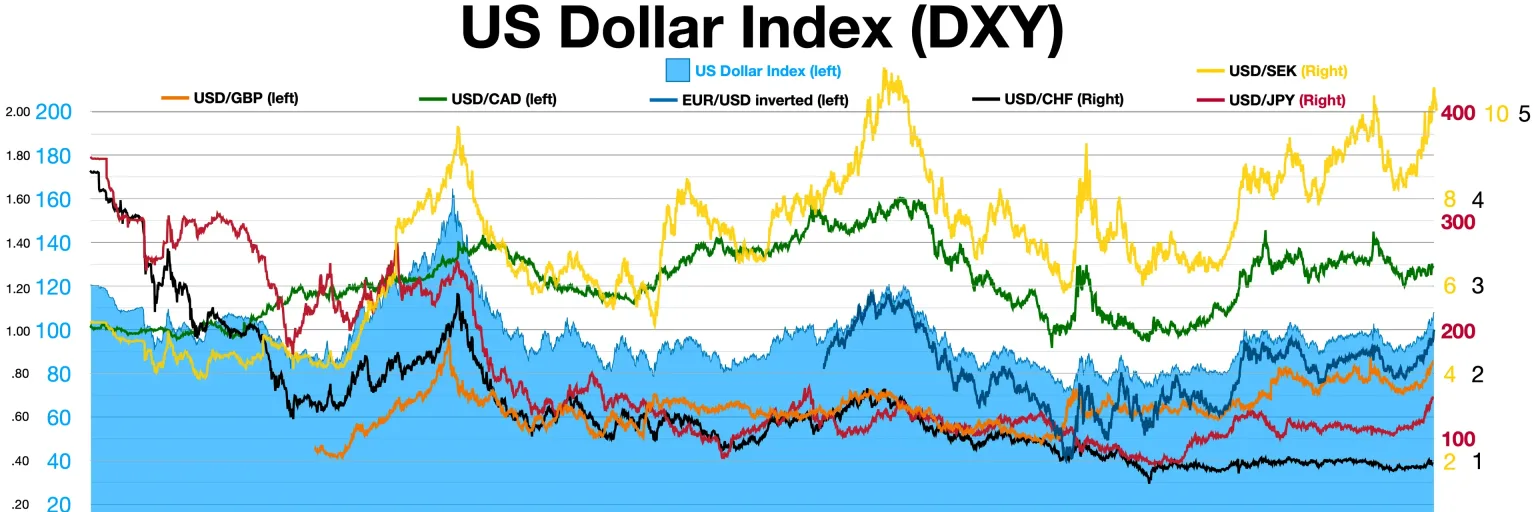
The US dollar's surge to an 18-month high reflects a dual narrative of global unease driving a flight to safety and anticipation of crucial inflation data that could cement further Federal Reserve action.
As investor caution grows over high equity valuations, mixed inflation signals, and geopolitical uncertainty, the current market environment demands a prudent and selective approach.
Increased oil exports from the Middle East offer a mirage of normalcy. Ongoing attacks, costly workarounds, and broader market pressures ensure consumers continue to pay a premium at the pump.
Households, particularly in the Northeast, face significant financial strain this winter as geopolitical events and a tight global diesel market push heating oil costs up by 30% to 50%, with some forecasts reaching as high as 50%.