Invesfera Newsroom
Anthropic's $83 IPO is a price tag on AI, not a verdict
The biggest IPO ever gives the AI trade its first public price. Retail investors should ignore day-one noise and ask about cash flow and index concentration.
The biggest IPO ever gives the AI trade its first public price. Retail investors should ignore day-one noise and ask about cash flow and index concentration.
Trump blames Democrats for a roughly $3 trillion sell-off, but the evidence points to AI worries and weak chip forecasts. Investors should check their risk, not pick a team.
After a near-$3 trillion stock sell-off, investors are eyeing US corporate bonds; the smart move is to treat credit as an income sleeve, not a Treasury-style hiding place.
Elon Musk expects a shakeout among AI cloud providers in 2027. Whether or not a crash follows, the useful question is how much of your portfolio rests on borrowed money.
Wall Street clawed back a huge slice of last week's AI rout in one session, yet Nvidia's Huang probe shows how much index portfolios lean on a single person.
A one-day chip rout erased the post-election rally, and the lesson isn't about Democrats or Republicans: it's about how much of your portfolio rides on one AI trade.
Wall Street is cheering Trump's pledge to accept the results and a Democratic Congress, but relief trades fade fast. Earnings, rates and tariffs matter more.
Monday's open will likely be loud, but the useful question is whether AI spending can pay for itself. Free cash flow, not the headline index move, is what to watch this week.
Seasonal patterns say the best stretch for stocks starts now. But base rates ignore concentration, valuation and today's yields, and steady contributions beat guessing the bounce.
The Nasdaq's 747-point slide, driven by AI worries and an Intel plunge, is a reminder that "diversified" index funds can hide big bets on a few names. Check before you react.
Wall Street didn't reject AI this week. It rejected spending that arrives long before the profits do, and index-fund holders are more exposed to that than they think.
With the 10-year back above 5%, cash-like safety pays real money, and equities must now earn their valuations through profits instead of hope.
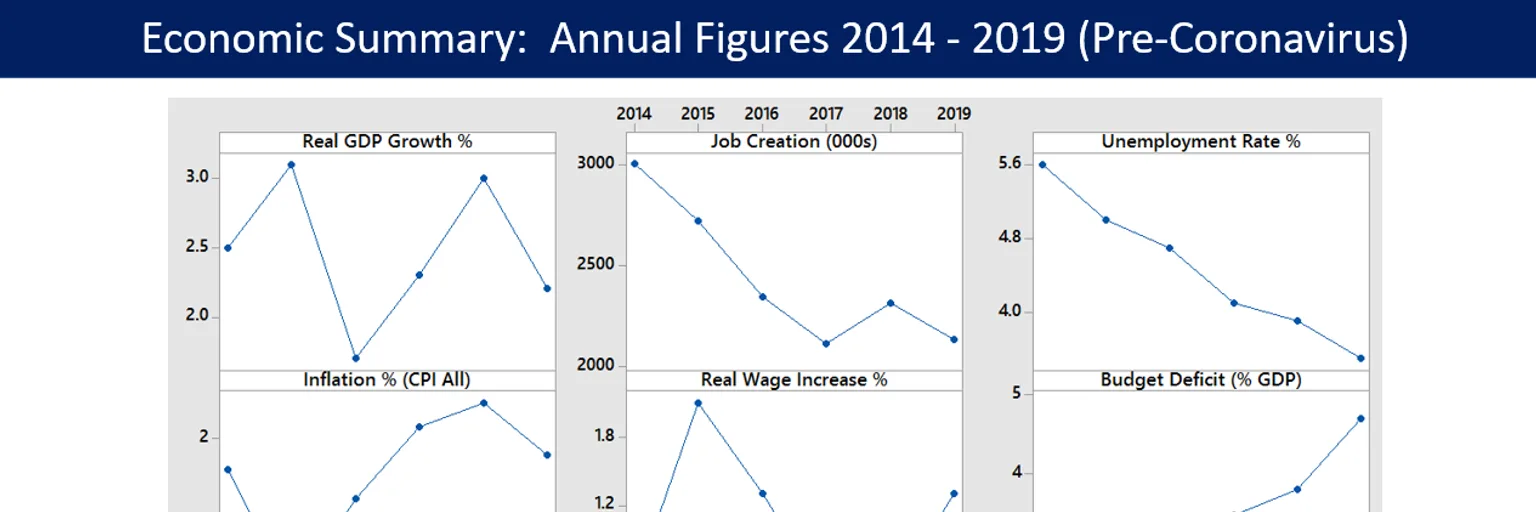
Stocks keep hitting records while GDP and jobs data stop explaining why. Earnings concentration and valuation are better guides for your portfolio now.
Stocks hit 48.2% of Americans' financial assets, above the dot-com peak. Rallies feel great, but that concentration is a risk to check against your own horizon.
Index funds still work, but the top 10 stocks now carry roughly 40% of the S&P 500. Check your exposure before you assume you're diversified.
SCHG beat VOO by 134 points over ten years, but the lead came early, the last year went the other way, and the real question is how much growth you already own.
The Shiller CAPE at 40.58 is a bad crash alarm but a useful reality check: trim the assumption of 10% annual returns and rebalance without panic.
The recent sell-off in tech stocks reveals investor skepticism over the massive, debt-fueled spending on AI infrastructure, raising critical questions about long-term market stability.
Equity markets are defying traditional wisdom, increasingly seeing elevated interest rates not as a drag, but as a byproduct of robust economic growth, demanding a re-evaluation of investment approaches.
As investor caution grows over high equity valuations, mixed inflation signals, and geopolitical uncertainty, the current market environment demands a prudent and selective approach.
Despite traditional indicators suggesting otherwise, robust corporate earnings growth could defy persistent high Treasury yields, keeping the stock market's upward trajectory intact.
While the S&P 500 index holds near all-time highs, a deeper look reveals many individual stocks are struggling, hitting 52-week lows and signaling internal market weakness that investors should not ignore.