Alphabet's $500 billion wipeout is the market asking AI for receipts
Wall Street didn't reject AI this week. It rejected spending that arrives long before the profits do, and index-fund holders are more exposed to that than they think.
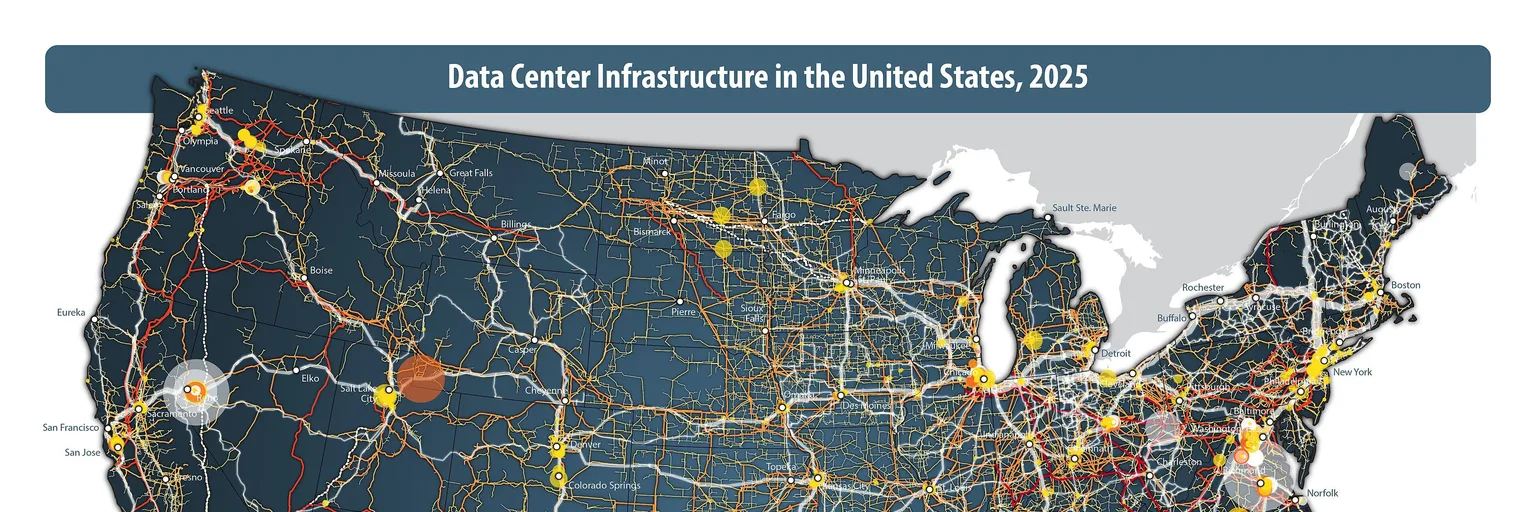
AI-generated image
What do you call a company that grows revenue, beats expectations in places and still loses $500 billion in a day? A warning about how the market now prices artificial intelligence.
Here is the short version. According to The Guardian, Alphabet fell more than 12% on Thursday, its worst day on record, after telling investors it burned through more cash in the summer than in the spring because of its AI investments. On Friday the pain spread. Proactive Investors reports that the Nasdaq closed down 2.9%, the S&P 500 fell 1.8% and the Dow lost 1.1%. Intel dropped about 29%, and the Nasdaq 100 is down more than 5.8% in October, roughly $2 trillion of value gone.
The market isn't scared of AI, it's scared of the invoice
It would be lazy to read this as the end of the AI story. Intel is the cleanest counterexample. It beat expectations on third-quarter results, and its data center and AI business grew about 78% year over year. The stock still collapsed, because its outlook pointed to PC weakness. Strong AI demand didn't save it.
That tells us the market isn't running a referendum on whether AI works. It is running an audit on who is paying for it, how much, and when it comes back. Meta, Alphabet and Amazon all raised spending forecasts, and Amazon disclosed it had spent more this year than anticipated. For a long time, "we are investing massively" was treated as a sign of strength. In our view, that grace period has ended. Capex now has to come with a timeline for returns, or it reads as cash leaving the building.
The damage is narrow, and that's the uncomfortable part
Look at what The Guardian says about the rest of the market: the S&P 500 was roughly evenly split between gainers and losers on Friday. Investor's Business Daily likewise describes a tech wreck led by a handful of names, with other sectors holding up. London's FTSE 100 finished flat.
So a few companies moved the whole scoreboard. Nvidia's 3.1% drop was the single heaviest drag on the S&P 500. That is concentration doing what concentration does: when a few giants carry an index up, they also carry it down. Plenty of people who own a broad fund believe they own 500 independent bets. On a day like Friday, it looks more like a handful of big ones with a lot of company around them.
We would also be careful about the neat narrative. Chip and data center stocks reportedly came under pressure partly on worries that high interest rates could slow data center build-outs. So there are at least two stories running at once: doubt about AI profits, and the cost of money. Which one dominates will matter, and nobody can say yet.
What to do with this (and what not to)
This isn't a call to sell, and it isn't a forecast that the slide continues. One bad week doesn't settle anything, and Apple and Palantir report on Monday, with more big names through the week. Those results will either feed the doubt or ease it.
What we would suggest is a low-drama check-up. Open your index fund's fact sheet and look at the top ten holdings. Add up how much of your money rides on the same few AI-linked companies. If the number surprises you, the question isn't whether to panic. It's whether that concentration matches the risk you thought you were taking, and whether the rest of your portfolio offsets it. That's a personal call that depends on your horizon and your country's rules, so treat it as a prompt, not advice.
Our verdict: the Alphabet wipeout isn't proof that the AI boom is over. It is proof that the market has stopped paying in advance. Spending without visible returns is now punished fast, hard and in size. The companies that can show revenue next to the capex will get patience. The ones that only show the capex will get Thursday.
No topics yet: start the first one.
More stories
The AI sell-off is a concentration test, not the end of the boom
Amazon, Intel and Alphabet shook the Nasdaq while most S&P 500 sectors held up, so the real question is not whether AI is a bubble but how much of your portfolio rides on one trade.
Intel's 20% plunge: the market wants sales, not turnaround stories
Intel beat on earnings and still lost about a fifth of its value after a weak forecast. Recovery stories get priced for perfection, and guidance is where the bill arrives.

The BOJ's hold is a hike on layaway, and carry trades should worry
Japan's central bank stood still at 1.25% but raised its 2027 inflation forecast. Treat that as a deposit on the next hike, and check your exposure to cheap-yen leverage.

Amazon's AWS boom isn't enough when free cash flow turns negative
AWS grew 39% and sales rose 12%, yet shares sank: the market now wants proof that heavy AI capex turns into cash, and index investors should notice.