Hermès’ Sell-Off Is a Valuation Warning, Not a Luxury Death Spiral
Hermès is still an exceptional luxury business, but its latest drop shows that quality cannot protect investors from high expectations, weak China sales and quarterly risk.


Bayer is operating better and its legal outlook has improved, but debt, cash outflows and unresolved claims leave shareholders waiting for recovery to arrive fast enough.

Lam Research shows that AI demand is reaching the machinery of chipmaking, but concentrated customers, valuation and geopolitics still make this boom vulnerable.
EQT’s reported interest in Qiagen may unlock value, but it also exposes a deeper problem: strategic German-listed companies can look cheap until private equity comes calling.
SAP’s third-quarter results will show whether cloud momentum and AI spending are creating durable profits—or extending an expensive market story.
A 16.7% export surge looks powerful, yet chips and selected industrial goods may be carrying a recovery exposed to weaker trade, tariffs and volatile AI demand.
Renault’s low valuation looks tempting, but the shares will need durable margins and cash generation—not just electric-vehicle growth—to earn a rerating.
Netflix’s earnings test a market pricing in near-perfect execution, where solid profits may matter less than whether the forecast is exceptional.
The recent volatility of Siemens Energy's stock highlights the significant challenges and investor uncertainty facing companies crucial to Europe's ambitious energy transition goals amidst rising interest rates.
Despite minor market adjustments, gold prices remain notably low after a recent decrease, signaling persistent market caution and potentially creating a strategic entry point for long-term investors eyeing safe-haven assets.
Ghana's ambitious plan to halt raw mineral exports by 2030 seeks to capture more value locally, but this protectionist strategy could deter vital foreign investment and disrupt global supply chains.
While higher interest rates challenge traditional investment strategies, they also unveil distinct opportunities in fixed income and specific equity sectors for those willing to adapt.
Nasdaq's shares have risen on a strong growth narrative and promising tech, yet conflicting valuation models and analyst targets create a dilemma for investors weighing present value against future potential.
The Warsaw Stock Exchange's remarkable surge, outclassing major European counterparts like Paris, signals a profound shift in investment focus driven by Poland's robust economic fundamentals and strategic evolution.
The brazen attacks by Israeli settlers on European diplomats in the West Bank signal a critical turning point, demanding a reevaluation of regional investment stability and international policy.
The extraordinary surge in Pokémon card values, driven by record sales and adult collectors, raises critical questions about whether this trend represents a genuine asset class or an overheated speculative bubble.
Oracle's record $664 billion cloud backlog signals immense AI demand, yet investors must scrutinize conversion rates and capital intensity against an elevated market valuation.
The EMA's recommendation for Rasonque, an oral RAS-targeted drug, signals a pivotal moment for oncology, opening significant new investment opportunities in a high-need therapeutic area.
FMC Corporation's profit forecast collapse and stock plunge underscore significant challenges rippling through the agricultural chemical sector, affecting even diversified giants like Bayer and BASF.
The low-cost airline's aggressive push into Spain, particularly its Bilbao growth, is a calculated reorientation designed to reshape regional aviation and intensify market competition.
The euro's latest slump against the dollar, fueled by persistent US inflation and internal fiscal pressures, lays bare the challenges Europe faces in a globally interconnected yet divergently performing economy.
The latest GTA 6 leaks are fueling unprecedented hype, but the precarious nature of these speculative releases offers little actionable insight for investors and carries significant risks of misinformation.
Morgan Stanley's expected Q3 2026 earnings highlight a surprising resilience driven by steady wealth management and recovering institutional securities, raising questions about broader market health.
While many major economies brace for continued slowdowns, Singapore's robust 5.4% year-on-year GDP growth in Q3 2026 offers a compelling case study in navigating international headwinds with strategic agility.
The FDA approval of enlicitide marks a pivotal moment, introducing an oral PCSK9 inhibitor that challenges traditional treatments and opens new avenues for pharmaceutical investment.
Strong demand for the iPhone 18 Pro, despite economic headwinds and potential price increases, underscores a robust premium consumer segment defying broader slowdown concerns.
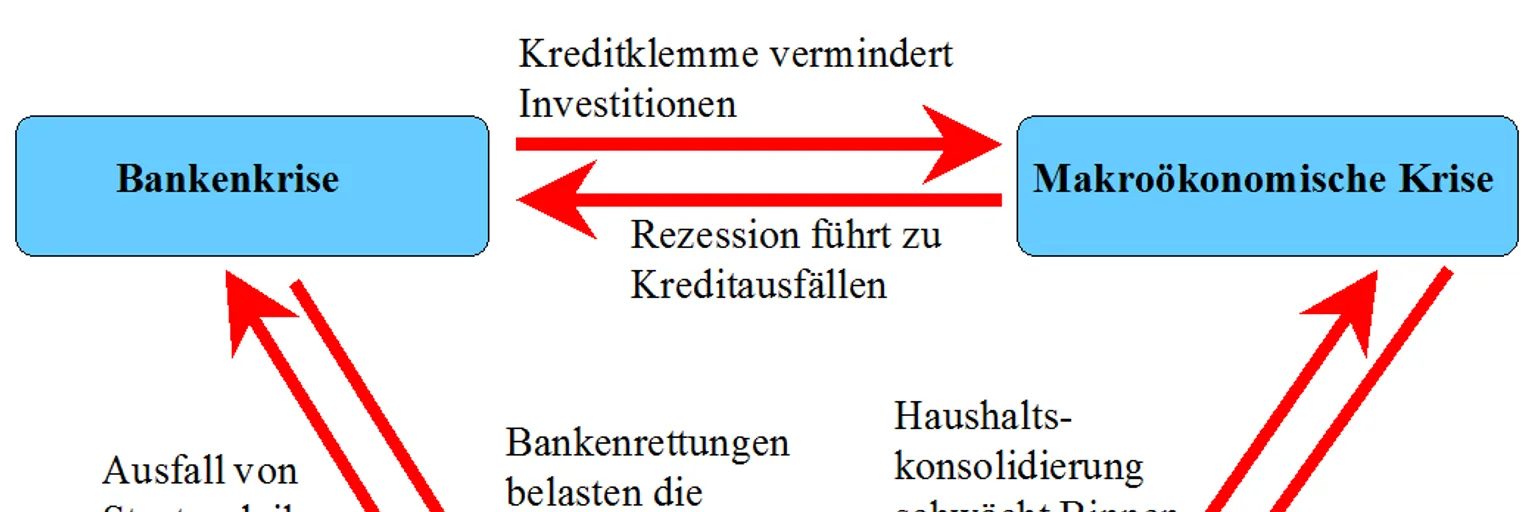
With global interest rates set to remain elevated and banks heavily exposed to public debt, a sovereign debt crisis could pose significant risks to the financial system, demanding robust defensive strategies.
The record-shattering sale of Michael Jordan's 'Last Dance' jersey spotlights how high-value sports memorabilia is transcending fandom to become a legitimate, albeit niche, alternative investment class.
The completion of Amundi's €500 million share buyback program signals strong internal confidence and a commitment to shareholder value that resonates in today's shifting global economy.
The recent sharp decline in French bank stocks amidst soaring interest rates presents a complex challenge for investors, balancing underlying strength against macroeconomic and political headwinds.
As the third-quarter earnings season unfolds, LVMH's performance offers crucial signals for the resilience of consumer spending and the overall European economic outlook, making it a key focus for investors.
Germany's leading real estate giant, Vonovia, is navigating a challenging period marked by significant stock declines and rising financial pressures, signaling deeper troubles for the wider German housing market.
The original Panama Canal project, a grand vision that bankrupted 800,000 French investors, vividly reminds us that pioneering ventures carry immense risks and don't guarantee success, a crucial lesson for modern speculative markets.
Amidst global stock market caution, Hong Kong's unprecedented fundraising success in 2026, driven by a concentrated boom in artificial intelligence investments, suggests a powerful sector-specific dynamic at play.
The near exhaustion of global security oil reserves is not just a passing headline; it's a critical inflection point for energy markets, promising heightened volatility and inflationary pressures.
As Global Investor Week underscores financial literacy, a quiet revolution is underway: retail investors are increasingly turning to AI and influencers, challenging traditional advice and raising questions about risk and regulation.
Soft labor market figures, including significant downward revisions, are pushing the Federal Reserve towards a pause, despite persistent inflation concerns and recent hawkish rhetoric.
The AI revolution is driving record market optimism and massive investment, yet paradoxically, it also contributes to stubbornly high interest rates, making selectivity crucial for investors.
Despite traditional indicators suggesting otherwise, robust corporate earnings growth could defy persistent high Treasury yields, keeping the stock market's upward trajectory intact.
The SEC's temporary 'Innovation Exemption' for blockchain-based stock trading opens a five-year test lane that could redefine market access and efficiency, but demands careful observation.