Rising Rates: A New Era for Investors, Not Just a Hurdle
While higher interest rates challenge traditional investment strategies, they also unveil distinct opportunities in fixed income and specific equity sectors for those willing to adapt.
AI-generated image
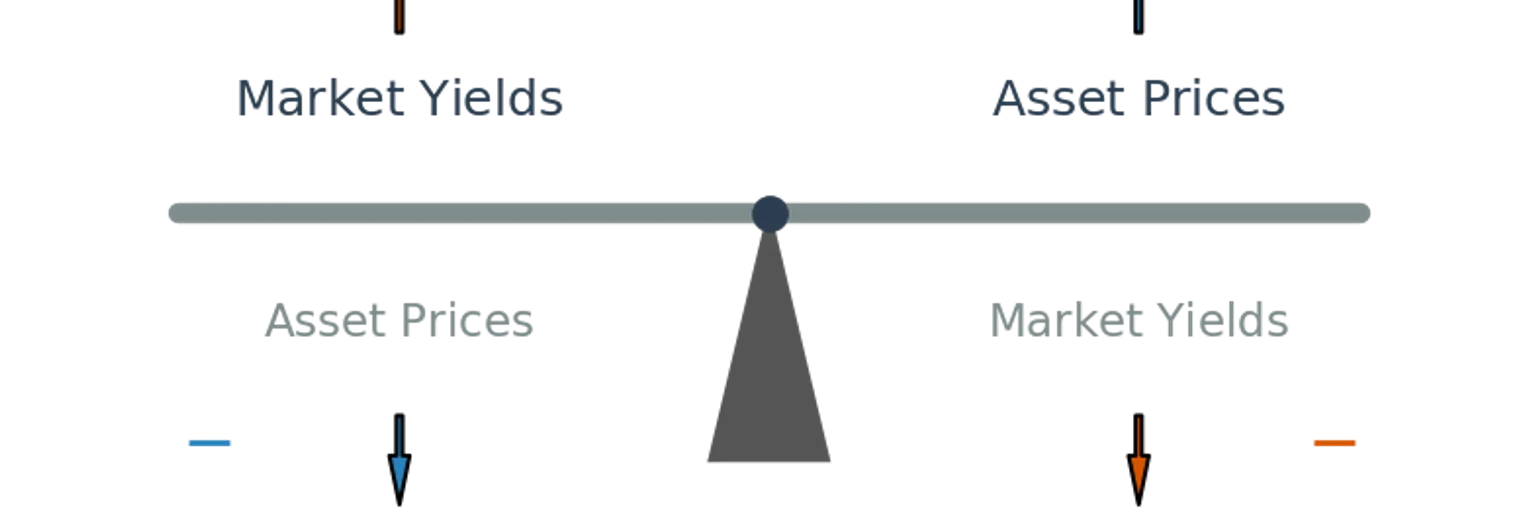
The financial world often views rising interest rates with apprehension, a harbinger of tougher times for borrowers and a brake on economic expansion. But what if this widespread concern overlooks a crucial truth? In our view, the current environment of escalating interest rates isn't merely a challenge to navigate; it's a re-calibration of financial gravity, unveiling compelling opportunities for investors who are prepared to re-evaluate their strategies.
For nearly two decades, investors became accustomed to an era of historically low, even negative, interest rates, pushing capital towards riskier assets like stocks and real estate in a relentless search for yield. This period fostered an environment where the cost of money was negligible. Today, however, central banks across the globe, including the European Central Bank (ECB), have aggressively hiked their key rates to curb persistent inflation. For instance, the ECB has implemented several increases since July 2022, pushing the Eurozone's annual inflation rate to 6.9% in March 2023, far above their 2% target. This policy shift, combined with geopolitical factors and growing government deficits, has dramatically reshaped the financial landscape, making capital more expensive and forcing a fundamental rethink of investment allocations.
The Return of Fixed Income's Allure
Perhaps the most striking transformation brought about by rising rates is the resurgence of the bond market. After years of offering negligible returns, fixed income is once again attractive. Government bond yields have climbed significantly; for example, the French 10-year government bond now yields over 4.80%, a substantial leap from 3.60% just four months prior, and the US 10-year Treasury is around 4.8%, up from 1.50% at the end of 2022. Even Japan's 10-year government bond yield surpassed 3% in early September, a level not seen since 1996, reflecting a global trend.
This shift means that bonds, particularly those with strong credit ratings, now offer a more compelling risk-return profile. While it's true that the price of existing bonds decreases when new, higher-yielding ones are issued, savvy investors can capitalize by focusing on new issues or by holding bonds to maturity. Furthermore, for short-term cash placement, regulated savings accounts like the Livret A, which rose to 3% in February 2023 from 1% a year earlier, offer a more attractive, albeit inflation-insufficient, return. This environment also presents opportunities in areas like emerging market local currency bonds, which can offer significant yield prospects.
No topics yet: start the first one.
More stories
European Fixed Income: Why It's More Than Just a Safe Haven for 2026
With interest rates rising and market volatility increasing, high-quality European fixed income is re-emerging as a compelling investment, offering attractive yields and much-needed stability in a dynamic global landscape.
Is the Pokémon Card Market a Bubble? Don't Get Burned by Nostalgia
The extraordinary surge in Pokémon card values, driven by record sales and adult collectors, raises critical questions about whether this trend represents a genuine asset class or an overheated speculative bubble.
Tesla's AI Ambitions: Visionary Growth or a Volatile Gamble?
Tesla's strategic pivot towards AI and robotics, while its core automotive business wanes, creates a high-stakes scenario where its valuation hinges on future dreams, not present realities.

RAS-Targeted Breakthrough: Reshaping Pancreatic Cancer Investment
The EMA's recommendation for Rasonque, an oral RAS-targeted drug, signals a pivotal moment for oncology, opening significant new investment opportunities in a high-need therapeutic area.