Invesfera Newsroom
Hormuz mines are back, but the oil premium is a mood, not a map
Burning tankers make dramatic headlines, yet Brent fell 16% last week. Investors should size energy and inflation exposure, not trade each mine claim.
Burning tankers make dramatic headlines, yet Brent fell 16% last week. Investors should size energy and inflation exposure, not trade each mine claim.
Pressure on the ECB may sound like cheap financing for governments, but we think the bill lands on savers and borrowers through a higher price for inflation risk.
Goldman now sees a third hike in March 2027 and no cut until December 2027. Whatever the Fed does next, investors should plan for a long stretch of high rates, not a quick pivot.
A hot October CPI turned a quarter-point hike into the floor of the debate. Investors should stress-test bond and growth exposure for a steeper path, not one more step.
Oil fell on a political bet about Iran, not on new barrels or reopened flows. Treat it as a cushion for inflation expectations, not a signal to chase energy or cyclicals.
With eurozone inflation at 4% on energy, markets are right to price a December hike. The smarter question is whether it's the last, and what that means for your money.
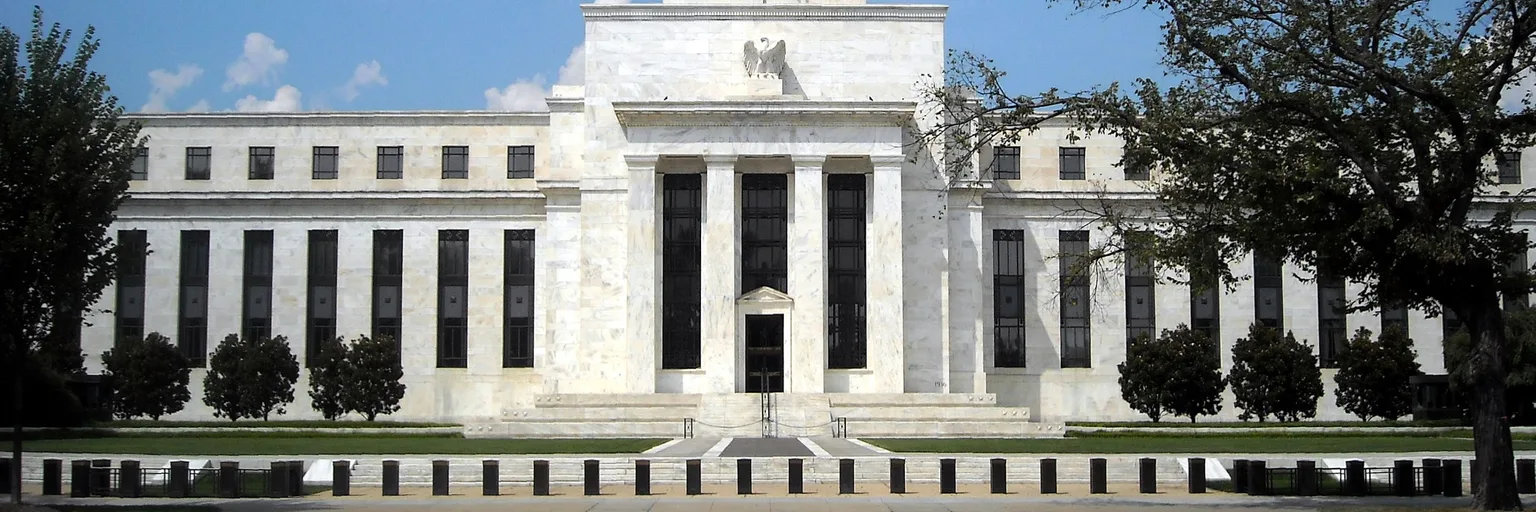
With US interest costs above $1 trillion, the Fed's mixed signals may be less about confusion and more about debt management. Savers should plan accordingly.
By freezing December targets while Brent sits near $118, OPEC+ lets high prices do the work. Investors should read energy as an inflation input, not a safe harbor.
A quarter-point rise looks small, but with energy-driven inflation at 3.5%, UK borrowers and savers should stop waiting for a quick reversal and rebuild their plans.
Cost of living is the top worry for 42% of millennials, ahead of unemployment. Fixing it takes a budget rebuilt around fixed costs and rates, not just hoping for a raise.
Markets expect one more Fed hike in December, but two officials are already arguing for more, so savers should plan for a plateau with an exit risk.
Brent in the low-to-mid $110s tempts investors to chase energy. We think the bigger risk is what dearer fuel does to inflation and to the path of interest rates.
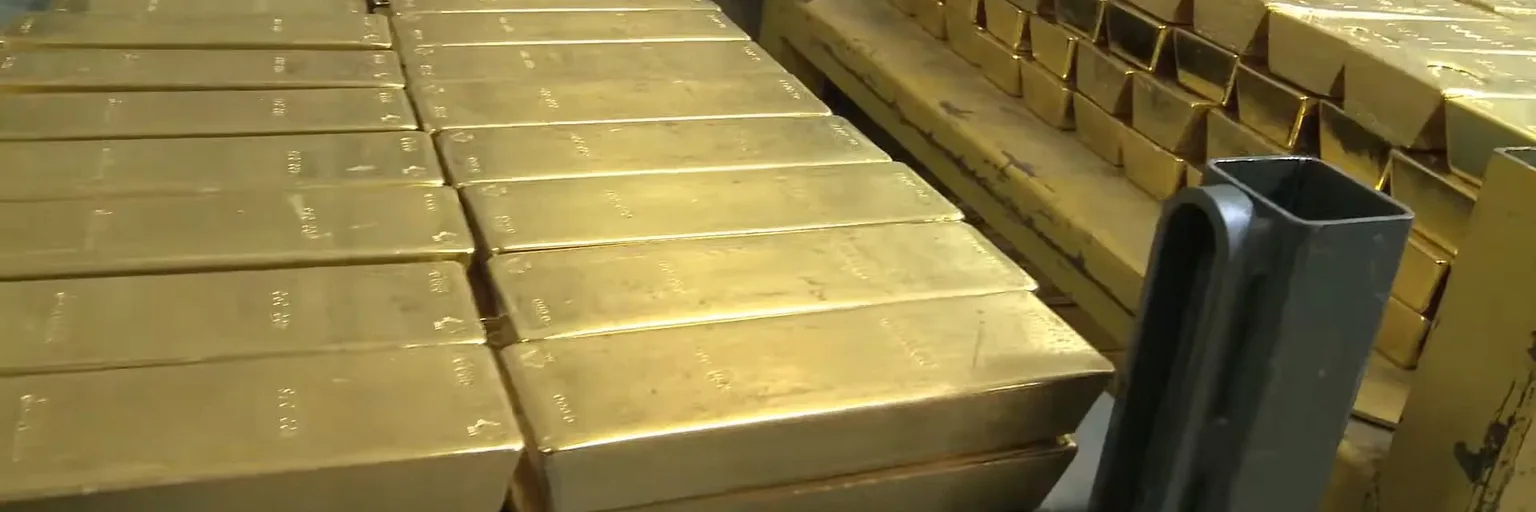
With a war, spiking oil and falling yields, gold still hit a one-year low. It is trading on rate expectations, so savers who bought it as insurance should check what they own.
The ECB held rates, but Panetta and Kocher are openly discussing hikes as Italian inflation hits 5.4%, so borrowers and savers should rebuild their assumptions around higher rates.
France shrinks, Germany crawls and Spain keeps growing, yet French inflation is climbing again. That mix means weak growth may not bring lower rates for European savers and borrowers.
A 3.4% growth print and 3.6% PCE inflation leave the Fed with little reason to ease; the market is betting on a December hike, not a cut.
US growth hit 3.4% while the Fed's favorite inflation gauge accelerated. The debate has moved past when cuts come to whether another hike is needed.
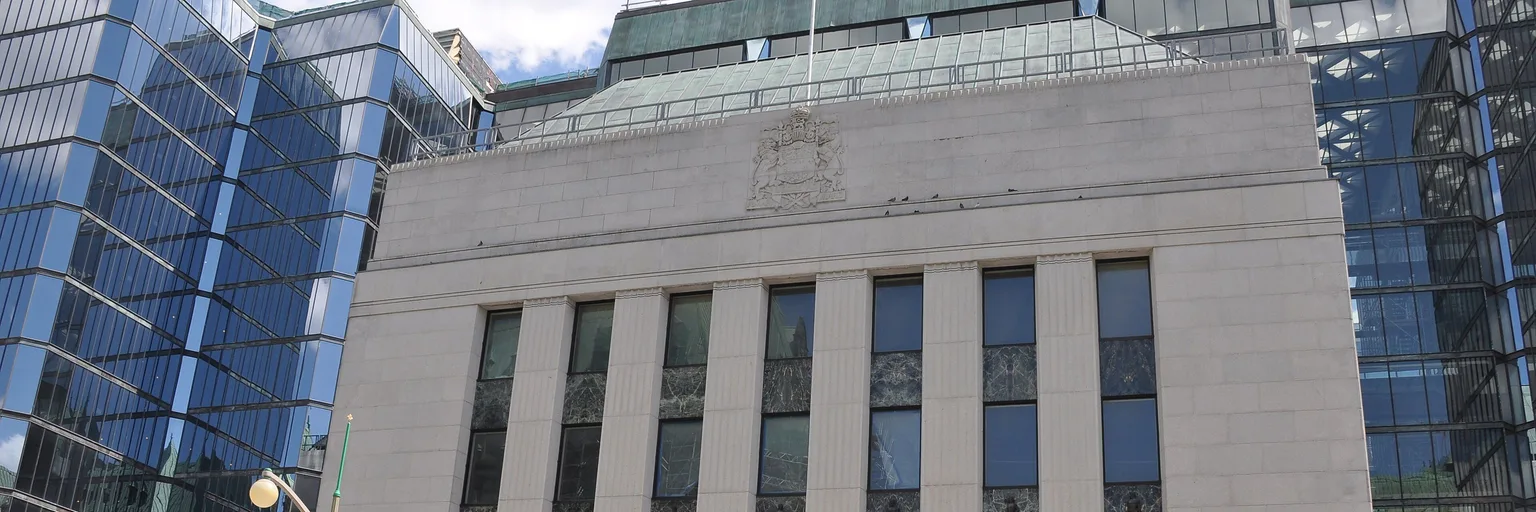
The Bank of Canada's move to 2.5% is driven by an oil shock that isn't local, so borrowers elsewhere shouldn't assume cuts are coming back soon.
Markets price a hold today, but oil, sticky inflation and a likely December hike mean investors should treat this pause as a breather, not a signal to relax.
With CPI at 3.7% and a September hike behind it, the Fed's expected pause looks like a tightening bias, and investors betting on cuts are reading the wrong signal.
Silver just hit its lowest level in nearly a year as oil revived inflation fears. Precious metals behave like rate-sensitive assets, and investors who assumed otherwise are learning that now.
With core CPI above forecast, oil a swing factor and gold under $4,000, the October 28 meeting tests Warsh's credibility more than the quarter-point itself.
Gold hit a two-month low as oil-fueled inflation pushed rate-hike bets higher. The metal's safe-haven role isn't broken, and chasing this dip looks like the wrong lesson.
Carrefour’s weaker 2026 targets expose a harsher retail reality: sales can rise while margins, traffic and cash flow deteriorate under social and price pressure.
Despite minor market adjustments, gold prices remain notably low after a recent decrease, signaling persistent market caution and potentially creating a strategic entry point for long-term investors eyeing safe-haven assets.
ECB President Christine Lagarde sees rising long-term bond yields as a powerful force against inflation, a perspective that is shaping market expectations for the central bank's next interest rate moves.
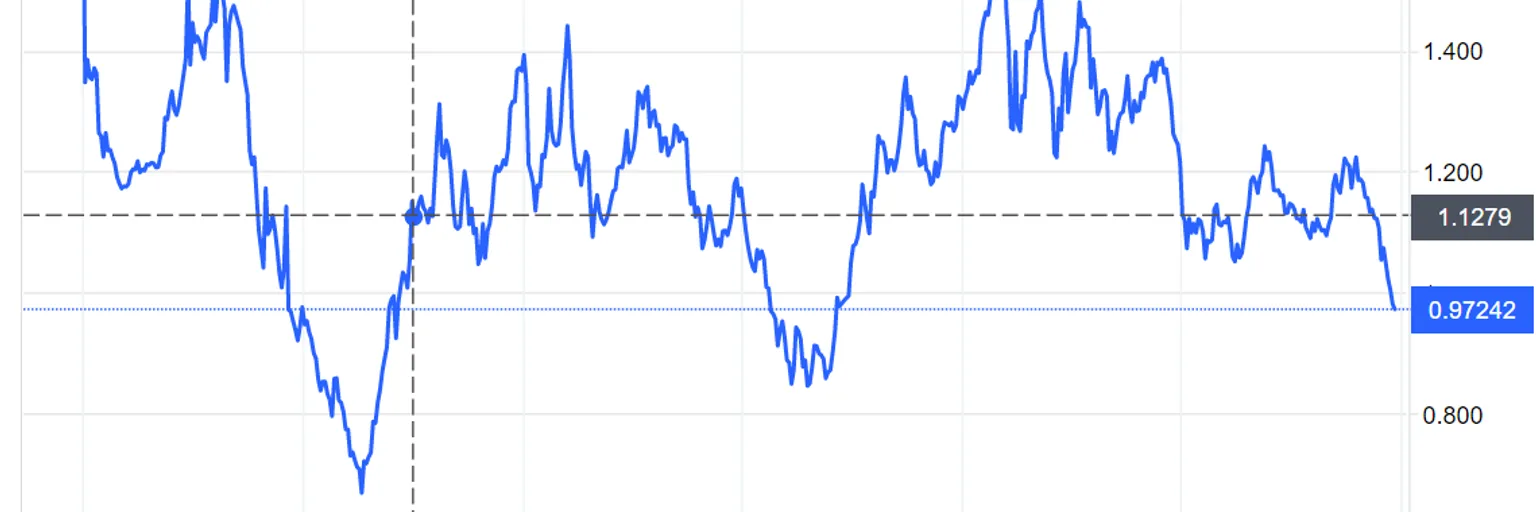
The euro's latest slump against the dollar, fueled by persistent US inflation and internal fiscal pressures, lays bare the challenges Europe faces in a globally interconnected yet divergently performing economy.
The days when Bitcoin operated in a silo are over; its recent performance vividly illustrates its deep integration with US bond markets and inflation trends.
While initial oil price spikes proved temporary for some, the Iran conflict has delivered a sustained, acute blow to global diesel supplies and triggered a bifurcated economic reality.
While federal offices and many banks close, the U.S. stock market keeps trading on Columbus Day, highlighting a paradox for investors navigating persistent inflation risks.
Morgan Stanley's bold forecast suggests that escalating Eurozone bond yields might compel the ECB to pause its quantitative tightening, raising critical questions about balancing inflation control with economic stability.
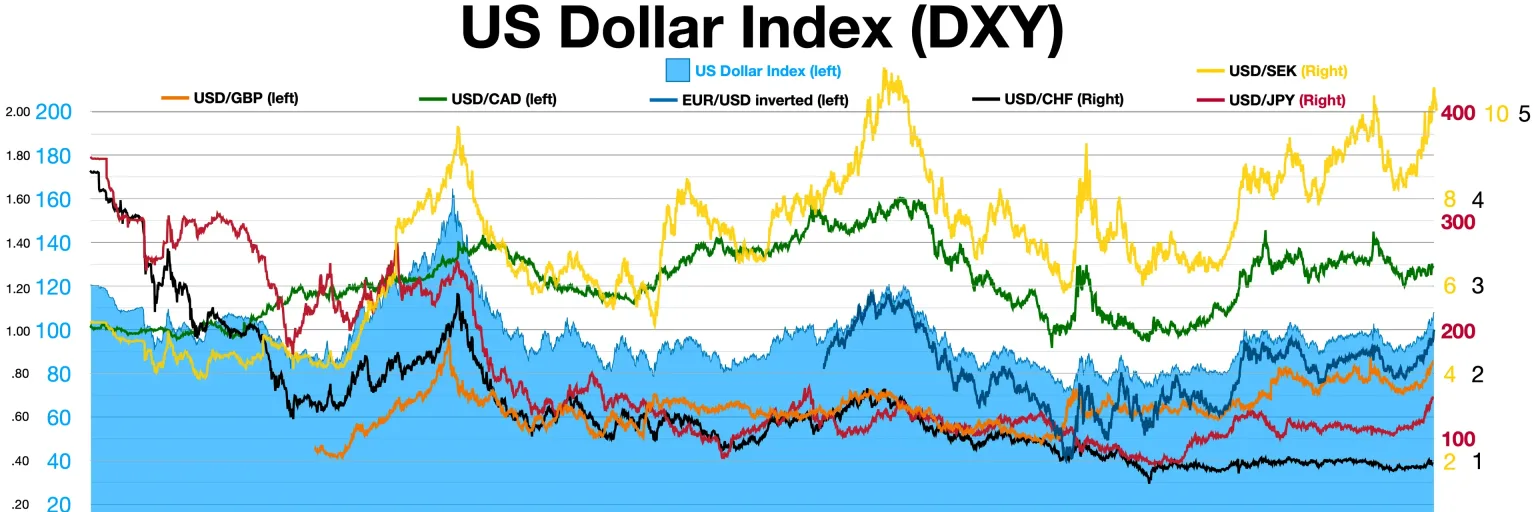
The US dollar's surge to an 18-month high reflects a dual narrative of global unease driving a flight to safety and anticipation of crucial inflation data that could cement further Federal Reserve action.
August's inflation data, particularly rising oil prices and persistent core pressures, cemented the Federal Reserve's decision to hike rates in September, impacting gold, the dollar, and Bitcoin.
As investor caution grows over high equity valuations, mixed inflation signals, and geopolitical uncertainty, the current market environment demands a prudent and selective approach.
While the European Central Bank rigorously tightens monetary policy to combat persistent inflation, its planned digital euro pilot for 2027 signals a forward-looking strategy that balances immediate economic stability with future financial innovation.
The European Central Bank's recent interest rate increase reshapes household finances, making borrowing more expensive while creating new opportunities for savers to grow their wealth.
Increased oil exports from the Middle East offer a mirage of normalcy. Ongoing attacks, costly workarounds, and broader market pressures ensure consumers continue to pay a premium at the pump.
Households, particularly in the Northeast, face significant financial strain this winter as geopolitical events and a tight global diesel market push heating oil costs up by 30% to 50%, with some forecasts reaching as high as 50%.
Recent stock market retreats and surging bond yields signal a complex tug-of-war for investors. As inflation lingers and economic growth remains uncertain, a diversified approach is more crucial than ever.
The European Central Bank faces a complex dilemma as rising long-term bond yields naturally curb economic growth, yet persistent energy price surges keep inflation stubbornly high, complicating future policy decisions.