Columbus Day: The Market's Odd Open Amidst Inflationary Fears
While federal offices and many banks close, the U.S. stock market keeps trading on Columbus Day, highlighting a paradox for investors navigating persistent inflation risks.
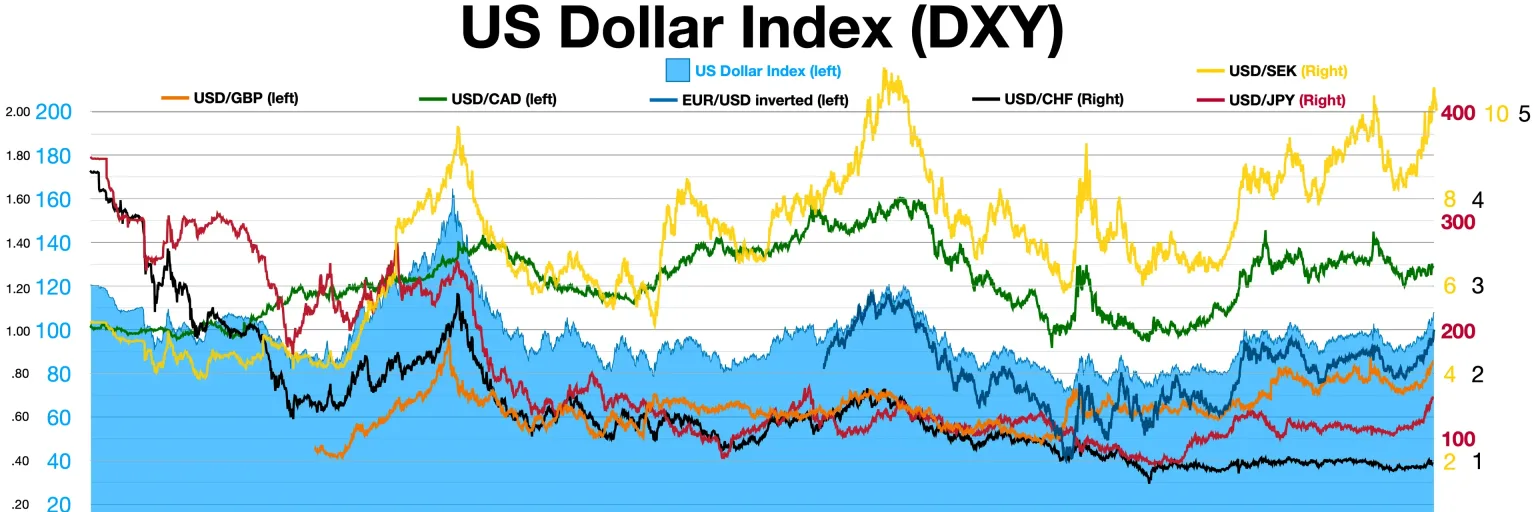
Photo: forextime.com / Wikimedia Commons (CC BY 2.0)
On a day when many federal services and institutions pause to observe Columbus Day, the U.S. stock market stands as a notable exception, fully operational. This paradoxical business-as-usual approach for the New York Stock Exchange and Nasdaq today, October 12, 2026, comes at a time when market sentiment is delicately balanced, pulled between cautious optimism and lingering anxieties over inflation. For investors, understanding this interplay of holiday trading patterns and macroeconomic headwinds is crucial.
Indeed, while many banks and federal offices across the nation are closed, the NYSE and Nasdaq exchanges maintain their regular trading hours, from 9:30 a.m. to 4:00 p.m. ET. This allows for continuous market activity, presenting a unique environment where equity market participants follow a different schedule than other financial sectors.
The Market's Peculiar Holiday Resilience
The stock market's decision to remain open on federal holidays like Columbus Day is an established practice, not an oversight. Unlike many public-facing services, both the New York Stock Exchange and Nasdaq consistently operate during regular hours, an exception to the federal holiday calendar. This is consistently reported by outlets like USA Today and reflected in Nasdaq's own schedule. This means that for active traders and institutional investors, there is no break from the daily grind, allowing for continuous engagement with market dynamics.
This distinct calendar, however, creates an asymmetric environment across different financial sectors. Typically, holidays are seen as periods for reflection, sometimes preceding post-holiday gains, especially after long weekends. When only a segment of the financial market observes a holiday closure while the stock market remains active, it can introduce varied responses across asset classes and potentially alter investor sentiment.
Navigating the Inflationary Headwinds
Beyond holiday scheduling, the broader economic context for 2026 remains a dominant concern, with inflation playing a central role. We see several analyses pointing to persistent inflationary pressures that could shape market performance throughout the year. For instance, some forecasts indicate that inflation could surprise to the upside, potentially exceeding 4% by the end of 2026, according to analysis by the Peterson Institute for International Economics. This prospect of sticky inflation could compel the Federal Reserve to maintain a hawkish stance, with some expecting additional rate increases of 0.25% in 2026, possibly starting in September, as reported by Bank of America Global Research.
This backdrop of potential rate hikes and elevated inflation creates a complex environment for equities. Higher interest rates can increase borrowing costs for companies and reduce the present value of future earnings, often tempering stock market enthusiasm. Investors are left to weigh the resilience of corporate earnings against the persistent drag of inflation and the policy responses intended to control it. The market's ability to absorb these pressures while maintaining regular trading on a federal holiday speaks to its underlying mechanisms, yet it doesn't diminish the macroeconomic challenges ahead.
Our Take: A Test of Market Fundamentals
For us, the stock market's decision to remain open on Columbus Day, despite wider federal and banking closures, serves as a subtle reminder of its continuous nature and detachment from traditional holiday calendars. This day, like any other, becomes a test of market fundamentals against prevailing economic realities. With inflation normalization expected to continue but with clear risks of upside surprises, investors should remain vigilant.
This peculiar holiday schedule, where Wall Street largely carries on, underlines the intricate and sometimes counter-intuitive dynamics of the financial world. For those seeking clarity, the primary takeaway is that macro-economic indicators, particularly inflation, will continue to dictate market sentiment far more than any holiday schedule.
No topics yet: start the first one.
More stories
Amundi's Buyback: A Bold Statement Amidst Market Uncertainty
The completion of Amundi's €500 million share buyback program signals strong internal confidence and a commitment to shareholder value that resonates in today's shifting global economy.

ECB's Tightrope: Yield Surges Could Force a QT Pause
Morgan Stanley's bold forecast suggests that escalating Eurozone bond yields might compel the ECB to pause its quantitative tightening, raising critical questions about balancing inflation control with economic stability.

High Rates, Robust Growth: A Paradigm Shift in Market Logic
Equity markets are defying traditional wisdom, increasingly seeing elevated interest rates not as a drag, but as a byproduct of robust economic growth, demanding a re-evaluation of investment approaches.
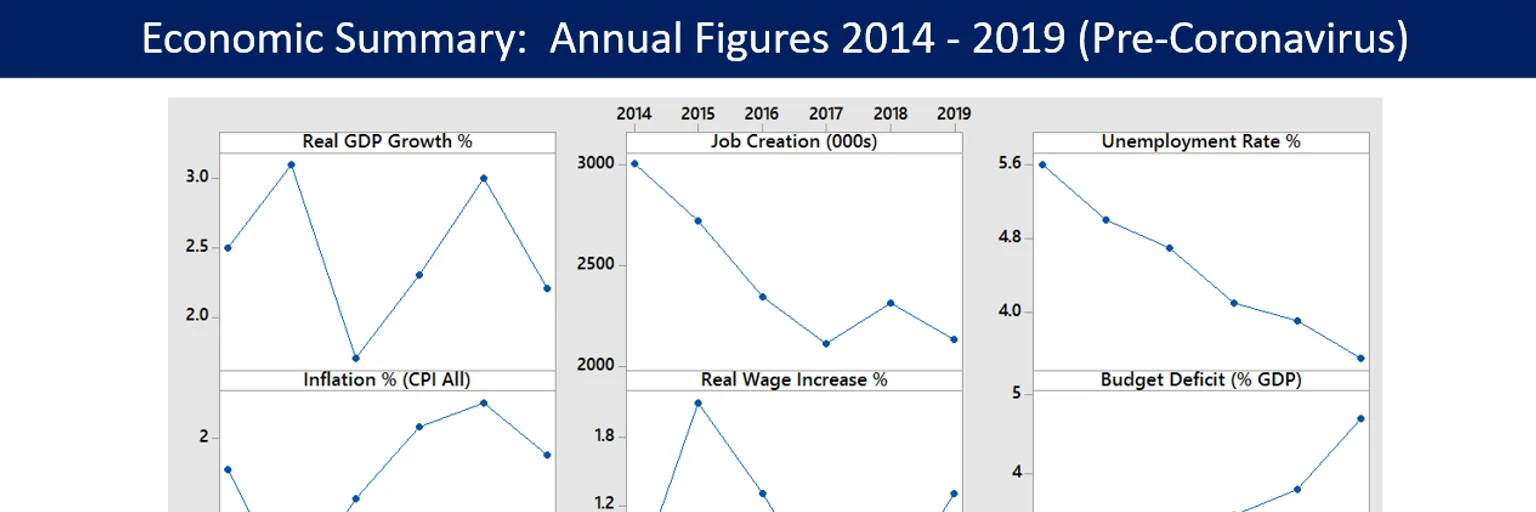
Dollar's Ascent: Safety Seeker or Inflation Harbinger?
The US dollar's surge to an 18-month high reflects a dual narrative of global unease driving a flight to safety and anticipation of crucial inflation data that could cement further Federal Reserve action.