ECB's Tightrope: Yield Surges Could Force a QT Pause
Morgan Stanley's bold forecast suggests that escalating Eurozone bond yields might compel the ECB to pause its quantitative tightening, raising critical questions about balancing inflation control with economic stability.
Photo: Maslmaslmasl / Wikimedia Commons (CC BY-SA 4.0)
The European Central Bank finds itself at a pivotal juncture, grappling with a complex economic landscape where its every move is scrutinized for its impact on both inflation and growth. A recent suggestion from Morgan Stanley that rising Eurozone bond yields could force the ECB to pause its quantitative tightening (QT) program is not merely an analyst's forecast; it's a stark reminder of the delicate balancing act central banks perform in turbulent times. This scenario presents a critical challenge to the ECB's stated commitment to normalizing its balance sheet and begs the question of whether its current path is sustainable without inadvertently stifling the economy.
Over the past few months, long-term interest rates have surged across advanced economies, including those in Europe. This ascent has been fueled by a confluence of factors, from expectations of persistent inflation to concerns over deteriorating public finances in key nations like Germany and France, and increased private debt for investments in areas such as artificial intelligence. This pressure has translated into wider spreads between core and periphery government bonds, with France notably being treated by markets as part of the periphery. Just last month, on September 10, 2026, the ECB raised its key interest rates by 25 basis points, pushing the deposit facility rate to 2.50%, as it warned that inflationary pressures from the conflict in the Middle East were not expected to recede soon, projecting headline inflation at 3.0% for 2026.
The Uncomfortable Truth About Tightening
Quantitative Tightening, initiated by the ECB in March 2023, is designed to shrink the central bank's balance sheet by not reinvesting the principal payments from maturing government bonds. The logic is straightforward: by reducing its bond holdings, the ECB aims to tighten financial conditions and bring inflation back to its 2% target. However, this policy faces increasing scrutiny. A former member of the ECB's Executive Board, Lorenzo Bini Smaghi, who now chairs Société Générale, strongly argued as early as October 3, 2026, that the ECB must pause its QT program. His reasoning is compelling: allowing the ECB's bond holdings to mature forces private investors to absorb a larger share of new government bond supply, precisely when long-term interest rates are already under upward pressure. This mechanism, in our view, creates a self-reinforcing cycle that exacerbates market stress and pushes yields higher still.
The rising yields are not just abstract financial metrics; they directly impact public finances and the real economy. Higher borrowing costs burden governments and can slow down sectors sensitive to financing conditions, such as the housing market. We observe that consumer confidence has already begun to fall in both Europe and the US, signaling potential headwinds for household consumption. The
No topics yet: start the first one.
More stories
Amundi's Buyback: A Bold Statement Amidst Market Uncertainty
The completion of Amundi's €500 million share buyback program signals strong internal confidence and a commitment to shareholder value that resonates in today's shifting global economy.

High Rates, Robust Growth: A Paradigm Shift in Market Logic
Equity markets are defying traditional wisdom, increasingly seeing elevated interest rates not as a drag, but as a byproduct of robust economic growth, demanding a re-evaluation of investment approaches.
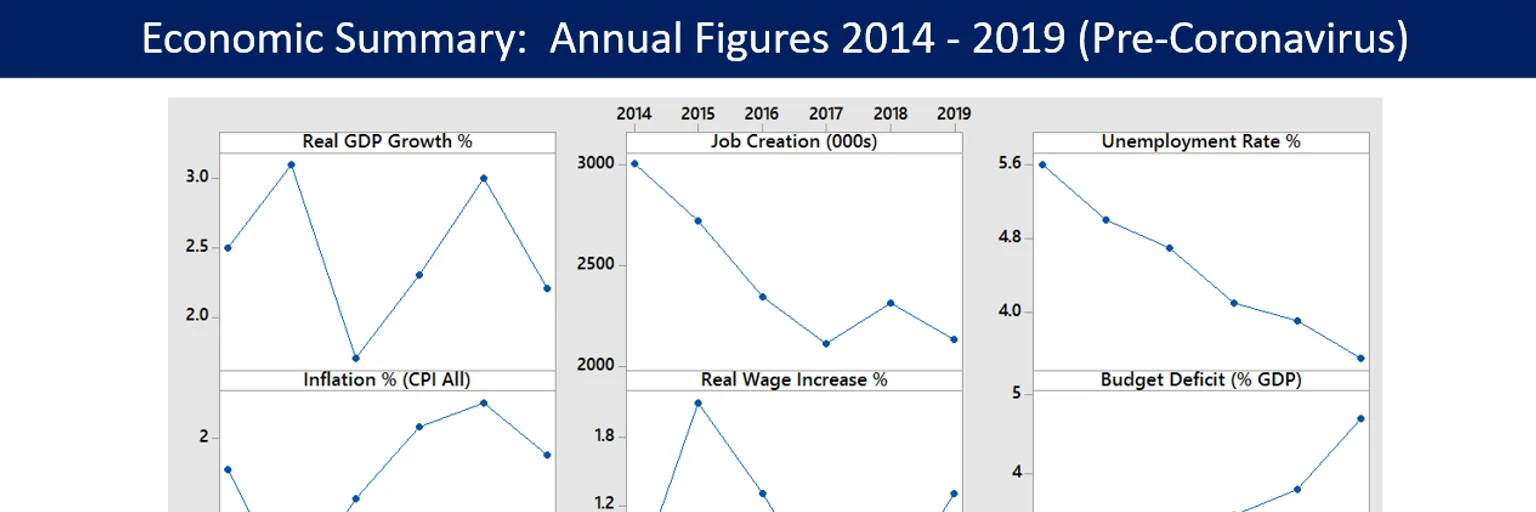
Dollar's Ascent: Safety Seeker or Inflation Harbinger?
The US dollar's surge to an 18-month high reflects a dual narrative of global unease driving a flight to safety and anticipation of crucial inflation data that could cement further Federal Reserve action.
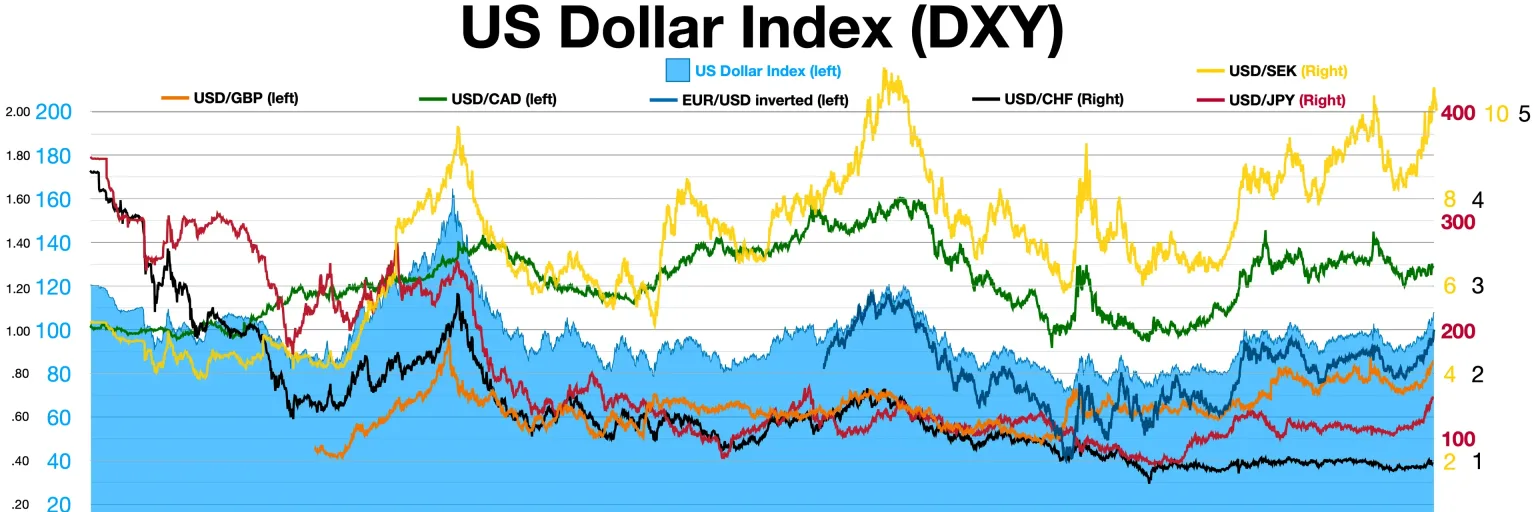
Inflation's Grip: Why the Fed's September Rate Hike Was Inevitable
August's inflation data, particularly rising oil prices and persistent core pressures, cemented the Federal Reserve's decision to hike rates in September, impacting gold, the dollar, and Bitcoin.