Invesfera Newsroom
Circle isn't a rates trade: USDC supply is what pays
Higher interest rates were supposed to fatten Circle's reserve income, but a shrinking USDC supply shows the stock is really a bet on adoption.
Higher interest rates were supposed to fatten Circle's reserve income, but a shrinking USDC supply shows the stock is really a bet on adoption.
Paris and Berlin are haggling over who runs the ECB, but the real bet is how hawkish it stays. Savers and borrowers should read it as a rates signal.
The slide below $70,000 tracks yields, oil and Fed hike bets more than any collapse of the crypto thesis, so size Bitcoin as a rate-sensitive risk asset, not as digital gold.
Goldman now sees a third hike in March 2027 and no cut until December 2027. Whatever the Fed does next, investors should plan for a long stretch of high rates, not a quick pivot.
Demand for home equity investments is climbing as borrowing costs rise. The no-monthly-payment pitch is real, but the price of giving up upside can be steep.
A hot October CPI turned a quarter-point hike into the floor of the debate. Investors should stress-test bond and growth exposure for a steeper path, not one more step.
Higher rates raise lease costs for every brand, and a captive bank like Renault's softens the hit. US subprime car credit shows how thin household cushions are.
A quarter-point hike is mostly priced in. The sensible response is a check on bond duration, cash yield and leverage, not a portfolio overhaul driven by a headline.
With eurozone inflation at 4% on energy, markets are right to price a December hike. The smarter question is whether it's the last, and what that means for your money.
The AI selloff is really about cash burn, not central banks, but companies that borrow to keep building are the most exposed if money gets pricier. Stress-test your portfolio.
A quarter-point hike is a headline, but the 2.3 million UK households coming off fixed deals in 2027 are the real bill, so building a payment buffer now makes sense.
Seven straight monthly falls and a likely fifth RBA hike are a live demonstration that rate-driven corrections are real, and a reminder for borrowers everywhere to test their own loans.
A quarter-point rise looks small, but with energy-driven inflation at 3.5%, UK borrowers and savers should stop waiting for a quick reversal and rebuild their plans.
A 57% drop in short interest on TFLR says little about rates. Floating-rate loans pay more when the Fed hikes, but they carry credit risk and are no safe haven.
Markets expect one more Fed hike in December, but two officials are already arguing for more, so savers should plan for a plateau with an exit risk.
Brent in the low-to-mid $110s tempts investors to chase energy. We think the bigger risk is what dearer fuel does to inflation and to the path of interest rates.
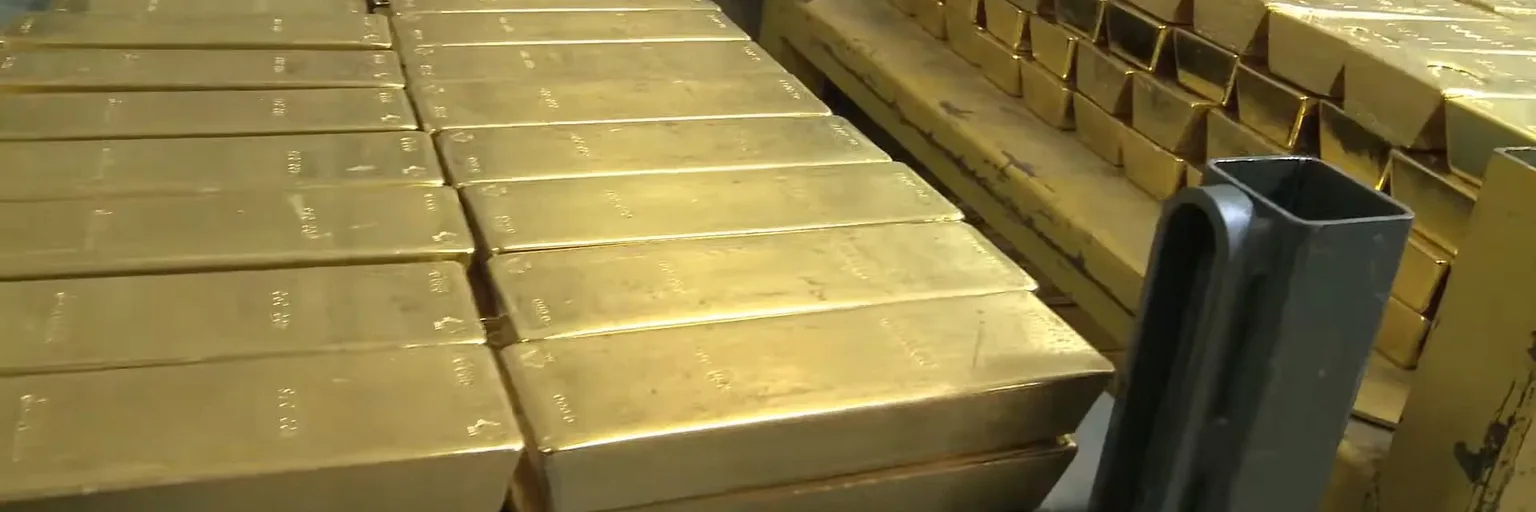
With a war, spiking oil and falling yields, gold still hit a one-year low. It is trading on rate expectations, so savers who bought it as insurance should check what they own.
The ECB held rates, but Panetta and Kocher are openly discussing hikes as Italian inflation hits 5.4%, so borrowers and savers should rebuild their assumptions around higher rates.
Japan's central bank stood still at 1.25% but raised its 2027 inflation forecast. Treat that as a deposit on the next hike, and check your exposure to cheap-yen leverage.
Central banks from Manila to Kyiv are raising rates as inflation bites, and the peso's slide shows the risk. Savers chasing high local yields should treat exchange-rate risk as part of the return.
A 3.4% growth print and 3.6% PCE inflation leave the Fed with little reason to ease; the market is betting on a December hike, not a cut.
Cutting rate votes to seven in 2027 and six in 2028 won't calm markets. Fewer decision dates likely means each one carries more weight, and investors should plan for that.
The Bank of Canada's move to 2.5% is driven by an oil shock that isn't local, so borrowers elsewhere shouldn't assume cuts are coming back soon.
With the 10-year back above 5%, cash-like safety pays real money, and equities must now earn their valuations through profits instead of hope.
Markets price a hold today, but oil, sticky inflation and a likely December hike mean investors should treat this pause as a breather, not a signal to relax.
With CPI at 3.7% and a September hike behind it, the Fed's expected pause looks like a tightening bias, and investors betting on cuts are reading the wrong signal.
The world's largest sovereign fund posted a $29.7 billion quarterly loss as bonds slid, and the lesson for ordinary savers is about what bonds are actually for.
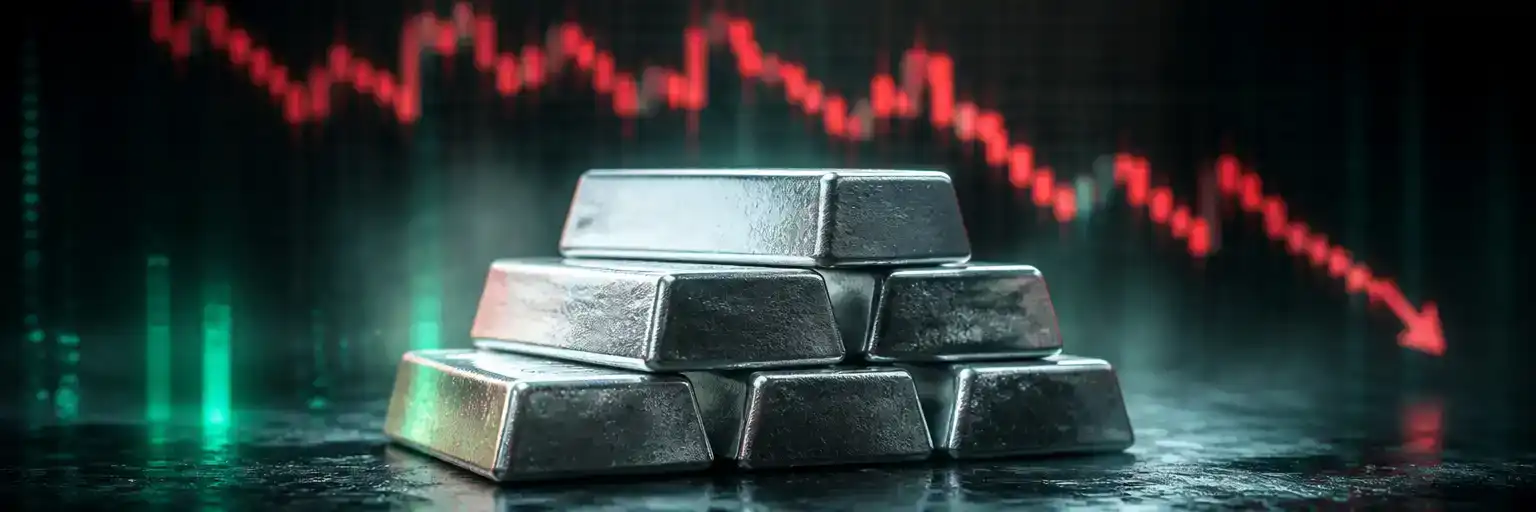
Silver just hit its lowest level in nearly a year as oil revived inflation fears. Precious metals behave like rate-sensitive assets, and investors who assumed otherwise are learning that now.
With core CPI above forecast, oil a swing factor and gold under $4,000, the October 28 meeting tests Warsh's credibility more than the quarter-point itself.
Gold hit a two-month low as oil-fueled inflation pushed rate-hike bets higher. The metal's safe-haven role isn't broken, and chasing this dip looks like the wrong lesson.
Iberdrola is scaling the energy transition, but its €10.1 billion investment test is whether networks and renewables can turn capital into durable returns.
Despite minor market adjustments, gold prices remain notably low after a recent decrease, signaling persistent market caution and potentially creating a strategic entry point for long-term investors eyeing safe-haven assets.
While higher interest rates challenge traditional investment strategies, they also unveil distinct opportunities in fixed income and specific equity sectors for those willing to adapt.
With interest rates rising and market volatility increasing, high-quality European fixed income is re-emerging as a compelling investment, offering attractive yields and much-needed stability in a dynamic global landscape.
The recent fluctuations in the Canadian dollar against its US counterpart offer crucial insights into broader economic currents, signaling both challenges and opportunities for global trade and investment.
ECB President Christine Lagarde sees rising long-term bond yields as a powerful force against inflation, a perspective that is shaping market expectations for the central bank's next interest rate moves.
The IMF's consistent advocacy for further European Central Bank rate hikes contrasts sharply with the Bank of Canada's recent decision to maintain its policy rate, highlighting divergent pressures and policy approaches in a complex global economy.
The days when Bitcoin operated in a silo are over; its recent performance vividly illustrates its deep integration with US bond markets and inflation trends.
With global interest rates set to remain elevated and banks heavily exposed to public debt, a sovereign debt crisis could pose significant risks to the financial system, demanding robust defensive strategies.
Amidst persistent interest rate elevation and market volatility, high-yield savings accounts emerge as a crucial tool for savers to significantly grow funds securely while maintaining liquidity.