The Fed can't afford a dovish shrug next week: stress-test for another hike
With core CPI above forecast, oil a swing factor and gold under $4,000, the October 28 meeting tests Warsh's credibility more than the quarter-point itself.
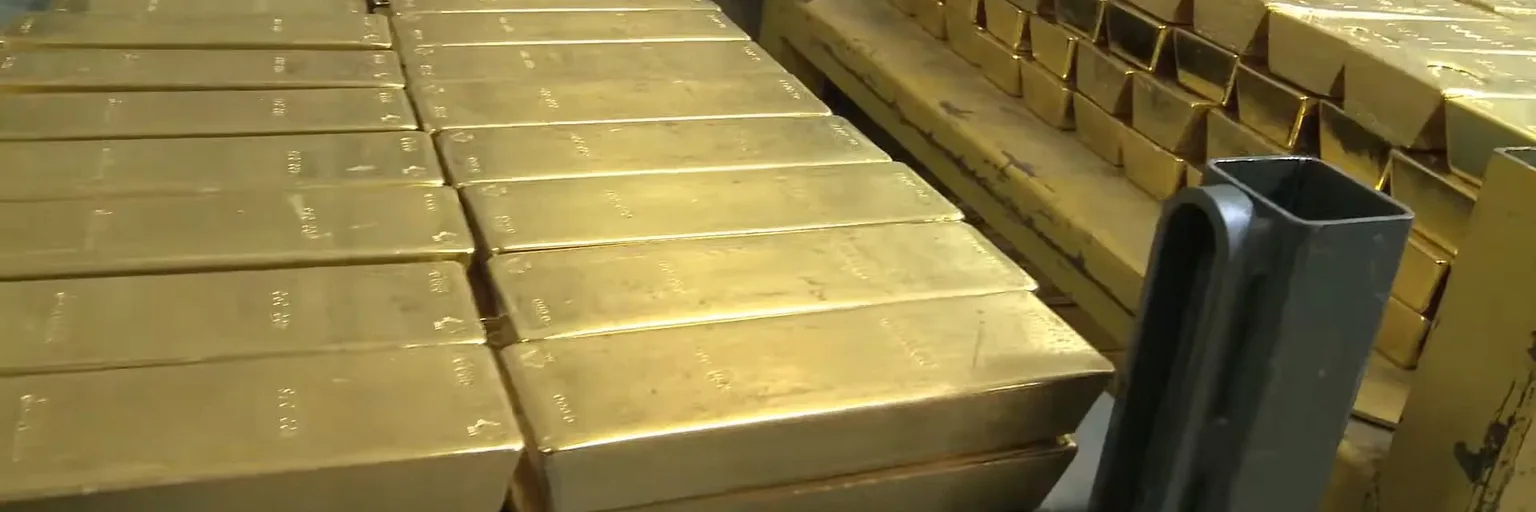
Photo: AgnosticPreachersKid / Wikimedia Commons (CC BY-SA 3.0)
Everyone is asking whether the Fed will hike next week. We think that's the less interesting question. The better one is what the Fed has to say to keep anyone believing it is serious about inflation.
The facts are simple. Reuters reports that September core CPI rose 2.6%, above the 2.5% forecast in its poll, which nudged the odds of a hike up. The Fed raised rates by a quarter point in September, its first hike in more than three years, and the next decision is due Wednesday, October 28. Gold, meanwhile, has dropped below $4,000 for the first time since July.
A hold is the base case, and that is exactly the trap
Markets lean toward no move. Forbes calls a hike unlikely, and Yahoo Finance put the October probability at 17% a few days ago. J.P. Morgan Wealth Management's base case, as Chase publishes, is also a hold, though it penciled in another 50 basis points of tightening into 2027.
Here is the catch: a hold is not a dovish signal. The September minutes said most participants expected another hike by the end of 2026. Sixteen of eighteen officials penciled in at least one more, according to JorgAI's recap of the dot plot. A committee that has said that, and then sits still while inflation remains above its 2% target, has to explain itself.
That's where Chair Kevin Warsh comes in. He told Congress that members have "no tolerance for persistently elevated inflation," per Morningstar, and he has also made clear he won't give forward guidance. So the statement is the whole message. Our read: a hold paired with bare-bones wording will be heard as hawkish by default, because nobody will know what the next step is. Of course, that is our interpretation, not a forecast.
The case against hiking is real, but it isn't a pause signal
To be fair, the doves have arguments. MUFG argued in August that the Fed would stay on hold through 2026, describing the situation as largely a supply shock and the US rates market as in "overshoot mode." Jobs data has been soft, too: JorgAI cites September payrolls of just 29,000. Hiking into an energy shock with weak hiring is uncomfortable.
But that argument was made before the September core CPI reading came in above forecast, and Chase still flags the Middle East conflict as a swing factor for energy prices and inflation. The Fed's own July minutes also noted that near-term inflation compensation fell after June partly because investors perceived the committee's strong resolve. Credibility is the asset here. In our view, spend it by blinking and the anchoring that has held so far could loosen. We'd call that the underrated risk of the week.
Gold's slide is not a verdict on safety
Gold below $4,000 looks odd in a week of inflation anxiety, yet it fits a pattern. Reuters, Yahoo Finance and KuCoin all tied earlier dips under that level to a stronger dollar and expectations of higher rates. Gold pays nothing, so when real yields rise, it tends to suffer. The latest drop, per BeInCrypto, came alongside a 2.6% Nasdaq slide, and analysts there weigh a $3,900 test against central bank buying.
So the lesson is uncomfortable: the classic inflation hedge has not been hedging against a hawkish Fed. Anyone treating gold as the portfolio's all-weather insurance should rethink that. That's general analysis, not personal advice.
What to do with this
First, don't build a portfolio around guessing Wednesday. Pricing already leans toward a hold; the surprise comes from the language, and September's selloff followed the higher-for-longer message more than the quarter point, as JorgAI describes.
Second, run the stress test. Ask what happens to your holdings if the policy rate ends 2026 at about 4.1%, the median in September's projections, and if it goes higher in 2027. Check variable-rate debt, rate-sensitive stocks, and long bonds. Check whether your "hedges" fall on the same days as your equities.
Third, remember there is genuine two-way risk. Weak jobs could flip the story quickly.
Our verdict: don't bet on a pause, don't bet on a hike. Bet on the Fed sounding harder than the market wants, and make sure your portfolio survives that.
No topics yet: start the first one.
More stories
Meta beat on revenue and still fell: the market is pricing AI capex
A 26% revenue jump wasn't enough. With capex at $34.9 billion and free cash flow negative, investors are asking AI spenders for proof of returns.

A dot-com-level CAPE won't time the market, but it should change your math
The Shiller CAPE at 40.58 is a bad crash alarm but a useful reality check: trim the assumption of 10% annual returns and rebalance without panic.

The AI sell-off is Wall Street sending Big Tech the bill
Meta beat on revenue and still saw its stock sold off. With free cash flow negative, investors look to be treating AI capex as a cost that has to earn its keep.

Gold isn't losing its shine: rate bets are doing the damage
Gold hit a two-month low as oil-fueled inflation pushed rate-hike bets higher. The metal's safe-haven role isn't broken, and chasing this dip looks like the wrong lesson.