Silver's slide shows metals are rate trades, not automatic hedges
Silver just hit its lowest level in nearly a year as oil revived inflation fears. Precious metals behave like rate-sensitive assets, and investors who assumed otherwise are learning that now.
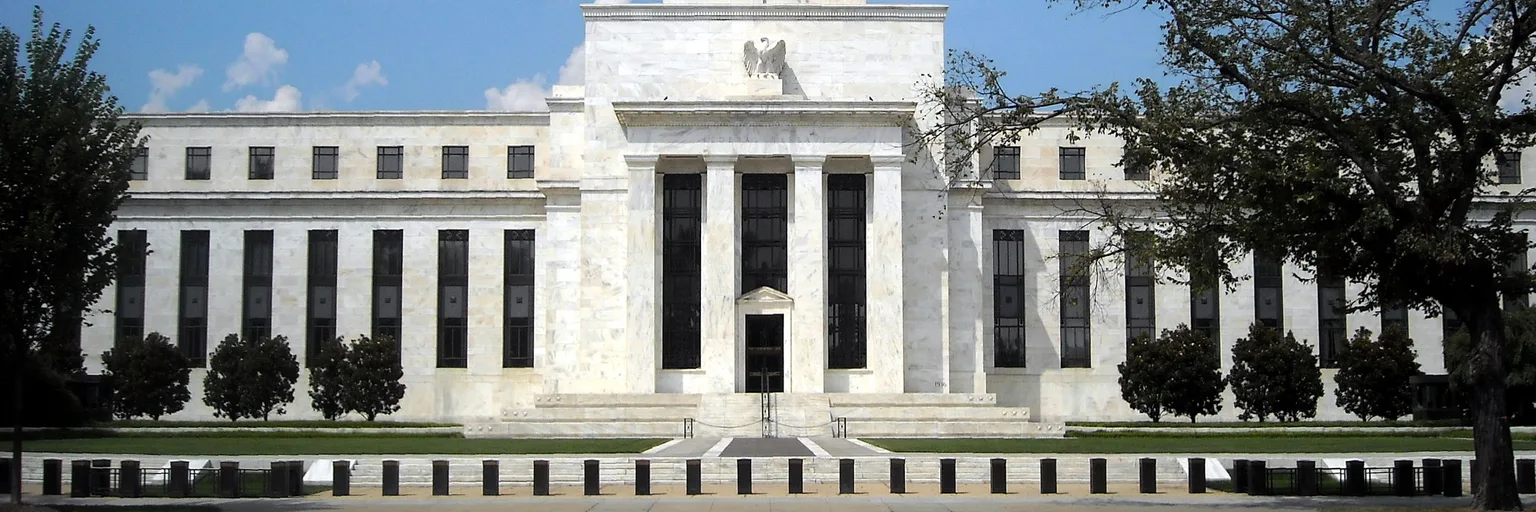
AI-generated image
If inflation fears are rising, shouldn't silver be rising too? That is the intuition many investors carry around, and this week's market has just contradicted it. Oil is pushing inflation worries higher, and silver is falling, not rallying.
Here is what happened. Silver futures settled down 4.6% at $54.764 a troy ounce, according to The Wall Street Journal. That is the lowest close since November 2025. The slide did not start today: on October 14, Forbes reported that silver dropped more than 5%, and gold also fell, after September inflation data raised rate-hike expectations. Futures had opened at $60.56 on October 13, so silver now sits roughly a tenth below that level.
The "inflation hedge" label was always half a story
Silver does not pay interest. When the alternative is a government bond offering a lot, holding a metal that yields nothing gets more expensive. The Canadian Mining Report made that point in late September, when the 10-year U.S. Treasury yield sat near 5.167%: silver, it argued, can live with a supply deficit and still fall when money gets that costly.
In our view, oil is not hurting silver directly. It is hurting it through the central bank. Higher energy prices feed inflation, inflation raises the odds that rates go up or stay high, and higher rates weigh on assets that offer no income. We think this chain explains the move better than any story about silver's own supply and demand. Inflation is the trigger, but interest rates are what pull the lever.
That is the uncomfortable lesson for anyone who bought silver as a shield. A hedge is supposed to hold up when something else breaks. Here, the thing that is breaking, the inflation-and-rates mix, is the very thing silver seems to be reacting to, and in the wrong direction for holders.
Silver is gold with the volume turned up
There is a second point that gets lost in the "precious metals" bundle. UBS strategist Dominic Schnider has said silver is still trading as a higher-beta version of gold, and the same Canadian Mining Report piece summarized the implication this way: if gold breaks down with yields, silver usually breaks faster. Mid-month fits that pattern. On October 14 both metals fell on the rate-hike news, and silver lost more than 5% in a day, the kind of swing you expect from a higher-beta asset.
Part of the reason is that silver has two identities. It is a monetary metal and also an industrial one. The report notes that Metals Focus expects industrial use to fall about 3% in 2026, with solar demand down roughly 19%, partly offset by data centers, grid spending and electric vehicles. That is a more mixed demand picture than the "new industrial age" slogans suggest. We think a metal with a shakier industrial story and a heavy dependence on yields is exactly the one that overshoots when rates move.
Forecasts are now chasing the price
One detail worth noting: J.P. Morgan Global Research forecasts silver at $63 an ounce in the fourth quarter of 2026. The latest settle is well below that. Forecasts of this kind are estimates, not promises, and banks revise them. According to GoldRepublic, J.P. Morgan has already cut its numbers this year. In our view, the pattern is familiar: analysts tend to follow the price more than they lead it.
Nobody can honestly say where silver goes from here. What exists is a wide spread of forecasts, and some of the long-range ones are simple extrapolations of an assumed 8% annual return. We would treat those as arithmetic, not as analysis.
What we can say is narrower. The supply deficit that the Silver Institute and Metals Focus still see for 2026 has not stopped the price from falling. That suggests, to us, that over the short run rates matter more than mine output.
Treat metals as bond-market assets, not shields
This is not personalized advice, and nobody can promise where silver goes from here. But the framing matters. If you hold silver or gold, ask what role it plays in your portfolio. If the answer is "protection against inflation," this week showed that protection can fail when inflation arrives together with rate-hike expectations. If the answer is "a volatile, long-term bet on scarcity and industrial demand," then a drop to a yearly low is a risk you already signed up for, and it deserves a position size you can sleep with.
Our verdict: stop treating metals as automatic hedges. Treat them as assets that listen closely to the bond market, and watch yields and oil before you watch the silver price itself.
No topics yet: start the first one.
More stories
Stellantis at record lows: cheap is not the same as a bargain
A 7% drop to all-time lows after Volvo's slump is not a dip to buy. Until Stellantis shows cash coming back, its low price tells us more about risk than value.

The Fed can't afford a dovish shrug next week: stress-test for another hike
With core CPI above forecast, oil a swing factor and gold under $4,000, the October 28 meeting tests Warsh's credibility more than the quarter-point itself.
Meta beat on revenue and still fell: the market is pricing AI capex
A 26% revenue jump wasn't enough. With capex at $34.9 billion and free cash flow negative, investors are asking AI spenders for proof of returns.

A dot-com-level CAPE won't time the market, but it should change your math
The Shiller CAPE at 40.58 is a bad crash alarm but a useful reality check: trim the assumption of 10% annual returns and rebalance without panic.