The ECB's December hike is the base case, and savers should plan for it
With eurozone inflation at 4% on energy, markets are right to price a December hike. The smarter question is whether it's the last, and what that means for your money.
Photo: DXR / Wikimedia Commons (CC BY-SA 4.0)
Is a central bank that just held rates really about to raise them? Yes, and the surprise would be if it didn't. A week after the European Central Bank left rates untouched, the data has made the pause look like a delay rather than a change of heart.
Eurostat's flash estimate put eurozone inflation at 4.0% in October, up from 3.8% in September, the highest reading since September 2023, according to Tagesschau. Energy is the culprit: prices rose 20.8% year on year, against 18.9% a month earlier. Core inflation, which strips out energy and food, held at 2.5%. The ECB's deposit rate stands at 2.5%, after it raised rates in June and September, as WirtschaftsWoche notes.
The signals point one way, and the central bank is sending them
Markets are not guessing here. Bundesbank president Joachim Nagel said a December hike is "aus heutiger Sicht sehr wahrscheinlich notwendig" (from today's standpoint, very likely necessary). He also said the inflation outlook has worsened. Analysts at ING read the data the same way, The Epoch Times reports. The ECB itself said last week that the size and duration of the energy shock are likely to push inflation up and growth down.
We think that settles the base case. Central banks rarely let a council member say something this explicit unless the path is largely chosen. The October meeting's hold looks like patience, justified by little evidence of wage pressure, not a verdict that the job is done.
The real debate is about the last hike, not the next one
The counterargument is fair: core inflation is stable. The DWS's Ulrike Kastens calls that good news for the ECB, and notes that a broadening of the underlying trend isn't visible yet. If the energy shock fades on its own, why tighten into a slowing economy?
Because the risk is asymmetric. Kastens herself warns that the longer energy prices stay high, the greater the risk of second-round effects, meaning wages and prices chasing each other. Moody's Analytics' Kamil Kovar says the picture "no longer looks very benign" and calls October's core figure "another modestly hot reading". A 25-basis-point hike is, in our view, cheap insurance against that scenario. Not hiking and being wrong would probably cost far more.
Still, we would not extrapolate. Capital Economics' Jack Allen-Reynolds expects a December hike but suspects it will end the tightening cycle. KfW's Stephanie Schoenwald doesn't see a noticeable easing of price pressure until the second quarter of 2027, when energy base effects kick in. Those are forecasts, and the Iran conflict that drives energy prices is unresolved, so they could easily be wrong. Our reading: one more hike is likely, a long campaign is not, and anyone claiming certainty about 2027 is selling something.
What savers and borrowers should do with this
This is not personal advice, and rules and products differ by country. But the logic is simple.
Borrowers with variable-rate debt should assume the cost goes up in December, not wait for a pause. If a payment increase of a quarter point would hurt, it's worth looking now at fixing the rate or reducing the balance, rather than after the announcement.
Savers should avoid two mistakes. One is celebrating higher deposit rates without checking them against inflation: with prices rising 4%, a 2.5% policy rate still leaves cash losing purchasing power in real terms. The other is locking everything into long fixed terms on the assumption rates will keep climbing, when at least some forecasters think the cycle is nearly over. Staggering maturities is a sensible hedge against being wrong either way.
The verdict: the December hike is the base case, and markets are right to price it. The lazier assumption, that a pause means relief is coming, is the one to drop. Plan for a slightly higher rate, stay flexible beyond it, and watch the energy price and wage data, because they, not the headline, will decide what comes after.
No topics yet: start the first one.
More stories
Warsh isn't picking hawk or dove: he's watching the bill
With US interest costs above $1 trillion, the Fed's mixed signals may be less about confusion and more about debt management. Savers should plan accordingly.
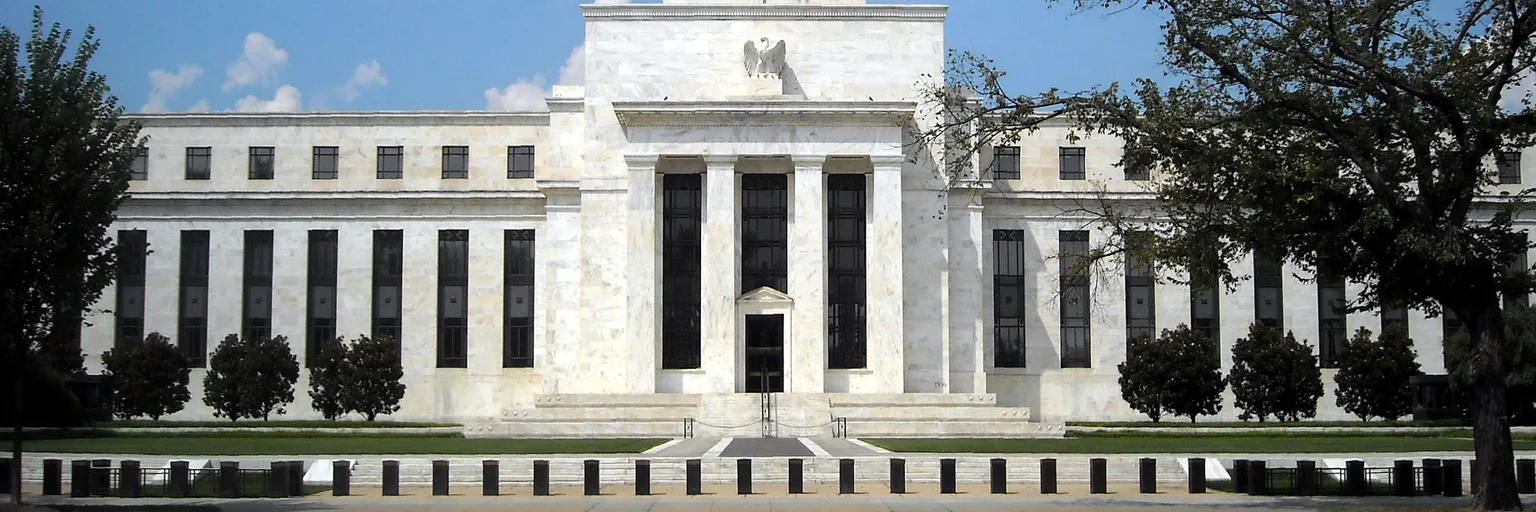
The Bank of England's expected hike is a warning: plan for higher rates, not a U-turn
A quarter-point rise looks small, but with energy-driven inflation at 3.5%, UK borrowers and savers should stop waiting for a quick reversal and rebuild their plans.
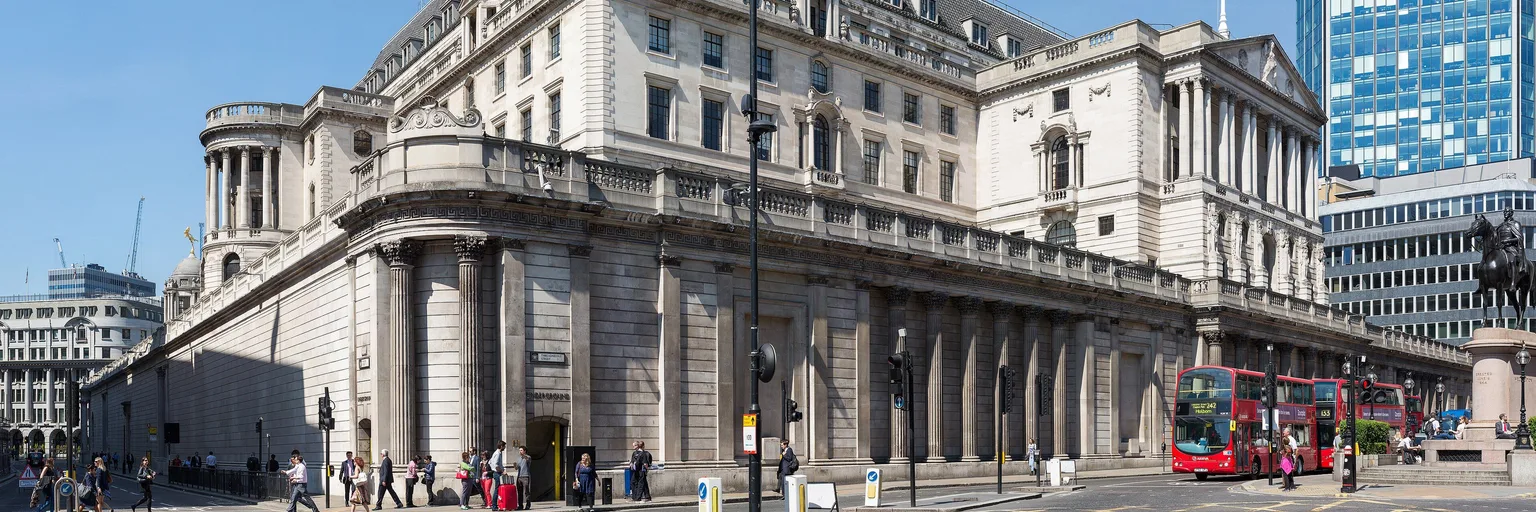
China's factory slump is a stress test for your portfolio
October's weak Chinese PMI matters less as a scary headline than as a prompt to check how much of your portfolio quietly depends on Chinese demand before you act.

The digital euro just got a contractor. Savers should ask about limits
Hiring Telefónica and Indra makes the digital euro look like infrastructure, not a debate. For savers, the open questions are holding limits and what it does to bank deposits.