The ECB succession deal is a rates signal, not Brussels theater
Paris and Berlin are haggling over who runs the ECB, but the real bet is how hawkish it stays. Savers and borrowers should read it as a rates signal.
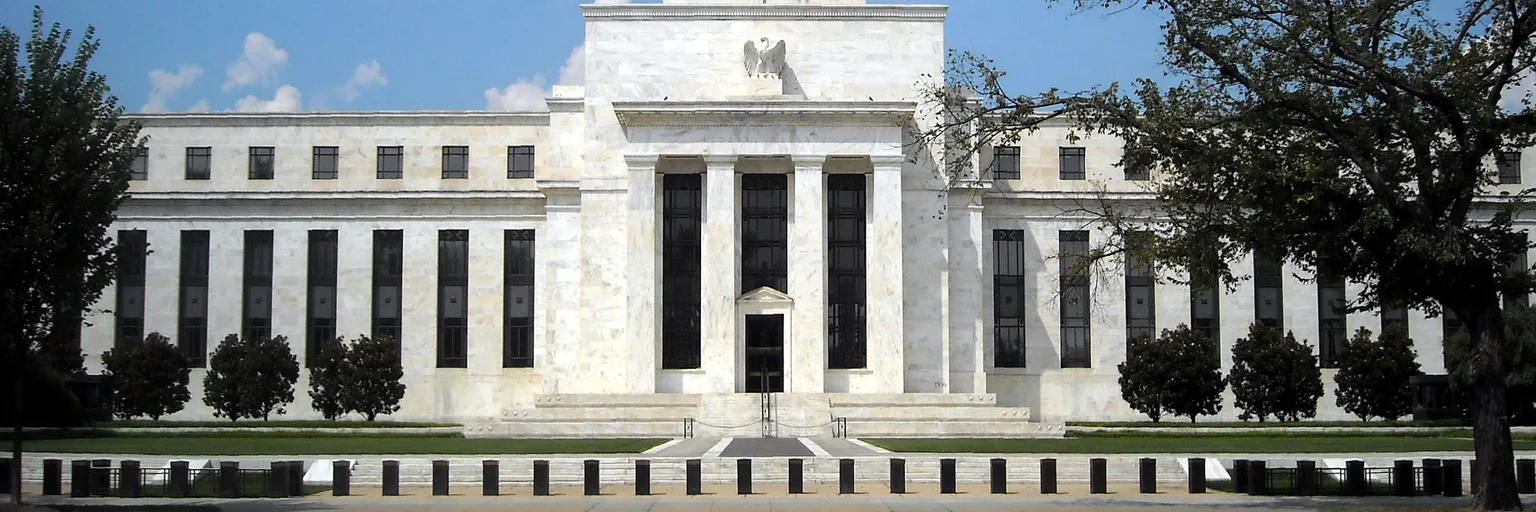
Photo: DXR / Wikimedia Commons (CC BY-SA 4.0)
Who runs the European Central Bank sounds like a question for diplomats. We think it's a question for anyone with a mortgage, a deposit account or a bond fund in the euro area, because the person at the top shapes how tight money stays when inflation is the worry.
What is on the table
Germany and France are close to a package for the ECB's leadership, though nothing is signed. Chancellor Friedrich Merz said in Dublin that agreements are close but not yet closed, that Germany needs a few more days and that he has to coordinate with the SPD over the weekend, as El Mundo reports. The reported shape: Spain's Pablo Hernández de Cos, currently head of the Bank for International Settlements, becomes president. Germany takes the chief economist job. France takes the market operations seat.
The calendar is tight. Euro area countries have until Wednesday, November 18 to submit candidates for those two roles, and leaders are due to take up the matter at the European Council on November 26, according to Expansión. A candidate needs at least 16 of the 21 euro countries, representing 65% of the population.
The trade is really about hawks and doves
The reporting is consistent on one point: the rival, Dutchman Klaas Knot, has the reputation of a hawk. Hernández de Cos is described as more dovish. The Spanish press reports that France would prefer the latter, in part because its heavy debt and large deficit make a hawkish president uncomfortable. That is our reading of the incentives, not a confirmed motive, but it fits the facts.
So the haggling is a bargain over tone. Germany gets the chief economist post, which El Mundo calls the real number two. Northern, more restrictive countries, per Expansión, see that post plus the already chosen vice president, Croatia's Boris Vujcic, as a counterweight to a dovish president. In other words, nobody is picking a side outright. They are building a committee in which the hawkish and dovish instincts offset each other.
We think that's the key for readers. The likeliest outcome isn't a sudden pivot to easy money. It's an ECB where a president who is gentler on indebted governments sits next to a German chief economist who will probably push for discipline. Expect a central bank whose decisions are argued harder, not one that changes direction overnight.
What savers and borrowers should take from it
First, a caution: none of this tells us where rates go. Nothing in the reporting says anything about the pace of future decisions, and the appointments won't take effect until next year. Anyone claiming to forecast your deposit rate from a Dublin summit is guessing.
What we can say is where the risk sits. If markets read the package as softer on inflation, the debate will be about whether borrowing costs for heavily indebted governments stay contained. If they read the German chief economist as the stronger voice, the "higher for longer" camp gets reinforced. Either way, the information is in the bond market's reaction, not in the political headlines. Watch government yields and what the new officials say about inflation once they are named.
For ordinary households, the practical advice is modest and not personalized. Don't lock in a big financial decision, such as fixing a mortgage or tying up savings for years, on the assumption that the ECB's tone is settled. It isn't. Rules and products differ by country, so compare the actual terms you're offered.
Our verdict
The tempting reading is that this is a story about Spain finally landing a top European job. It is, but that's the least useful part. The useful part is that Paris and Berlin are bargaining over how much monetary pain the euro area tolerates, with France under pressure from its debt and deficit. We'd treat the deal, if it closes as reported, as a mild signal of a more balanced ECB rather than a softer one. It also isn't final: Berlin denied a closed agreement, per El Mundo, and a surprise third candidate can't be ruled out. Until November 26 it is a rumor with momentum, and it should be read as one.
No topics yet: start the first one.
More stories
Hands off the ECB: politicized money is a tax on savers
Pressure on the ECB may sound like cheap financing for governments, but we think the bill lands on savers and borrowers through a higher price for inflation risk.

The Fed's December question is no longer if, but how much
A hot October CPI turned a quarter-point hike into the floor of the debate. Investors should stress-test bond and growth exposure for a steeper path, not one more step.
The ECB's December hike is the base case, and savers should plan for it
With eurozone inflation at 4% on energy, markets are right to price a December hike. The smarter question is whether it's the last, and what that means for your money.

Warsh isn't picking hawk or dove: he's watching the bill
With US interest costs above $1 trillion, the Fed's mixed signals may be less about confusion and more about debt management. Savers should plan accordingly.