A 3.4% GDP print isn't a green light: the Fed is thinking hikes, not cuts
US growth hit 3.4% while the Fed's favorite inflation gauge accelerated. The debate has moved past when cuts come to whether another hike is needed.
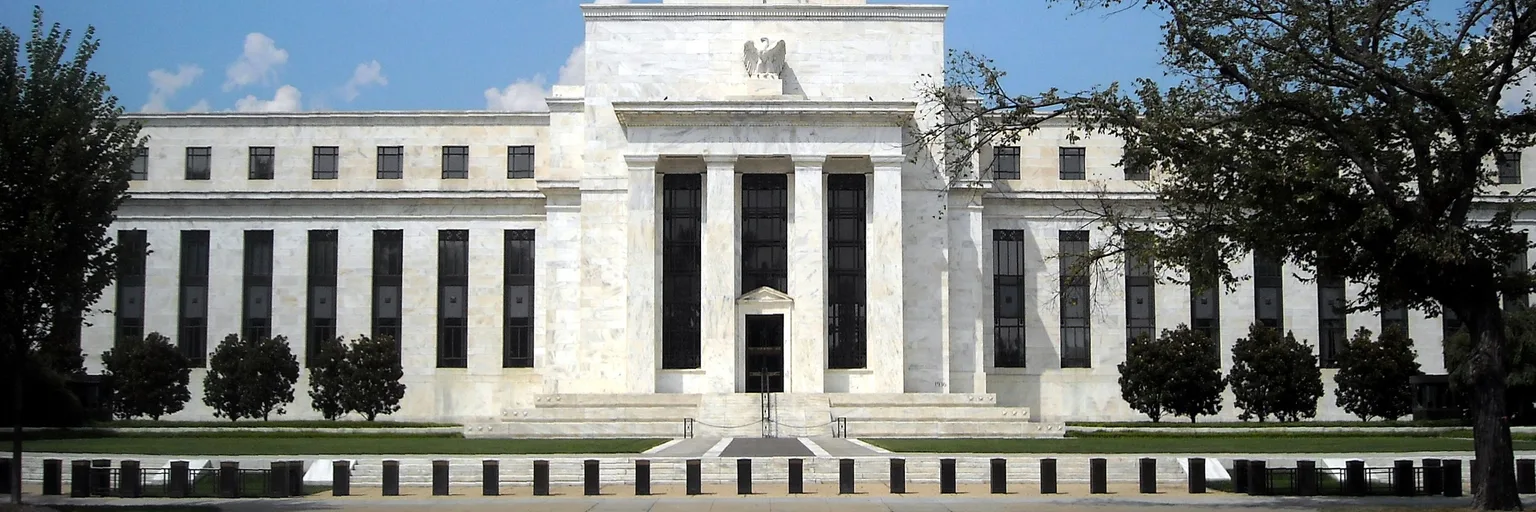
Photo: AgnosticPreachersKid / Wikimedia Commons (CC BY-SA 3.0)
When the economy speeds up and prices speed up with it, who gets to celebrate? Not anyone waiting for cheaper money. The third-quarter GDP number looks like good news, but we think it is better read as a warning label on the rate outlook.
The facts are simple. The Commerce Department's first estimate has the US economy growing at a 3.4% annualized rate in the third quarter, up from 2.2% in the second. According to Benzinga, that beat forecasts, while September PCE inflation came in at 3.6%, in line with expectations. Yahoo Finance notes that this is up from 3.4% in August.
The real debate is a hike, not a cut
Our thesis needs a nuance: "cuts are off the table" undersells the situation. The Fed is not waiting to cut; it is deciding whether to tighten again. On Wednesday it held the target range at 3.75% to 4%, but by a 10-2 vote, with Lisa Cook and Beth Hammack preferring a quarter-point increase. Investors still price a December hike, with investinglive putting the odds at roughly 84%.
That is the context for the GDP print. In a normal cycle, faster growth is the reward for patient policy. Here it lands on top of CPI at 3.7% year over year, a gasoline price that jumped 9.1% in September alone, and a Fed chair, Kevin Warsh, who says the Fed's job is to ensure that relative price changes in some sectors "do not broaden out across the economy." In our view, strong demand is exactly what lets that broadening happen.
Growth built on AI spending is a strange kind of strength
The composition matters more than the headline. The National reports that the economy added only 29,000 jobs last month, with unemployment at 4.2%. Growth appears to be leaning on AI investment rather than broad hiring, and zerohedge describes the quarter as a debt-funded AI capex spending spree. You can debate that framing, but the jobs figure is hard to ignore.
Here is the uncomfortable part, in our view. Warsh has said central bankers must recognize AI investment as a "shock," and Fed officials have acknowledged it as an inflation driver. Morgan Stanley analysts, per The National, expect Alphabet, Amazon, Meta and Microsoft to raise capital spending by more than 50% in 2027 and say they will probably be able to withstand higher funding costs. If the biggest spenders are largely deaf to the price of money, rate hikes may bite less where the demand is. That would leave the Fed squeezing households and smaller borrowers to cool an economy those hikes can't easily reach. Warsh rejected the idea that advanced technologies are "divorced from the rest of the economy," but whether that's true is exactly what's being tested.
An analyst quoted by The National, Equiti Group's Ahmed Azzam, puts the risk well: the Fed may be overestimating the economy's ability to absorb inflationary pressures through productivity gains, which would mean a longer "higher for longer" stretch into 2027. That is a forecast, not a fact, but it is plausible.
Don't plan around falling rates
We don't give personal investment advice, but we can say how not to read the data. A strong print is not a signal that the rate story has turned friendly. The 10-year Treasury yield sitting at about 5% is, in our reading, a market vote that borrowing will stay expensive. Anyone whose plan depends on falling rates, whether a variable-rate loan, a refinancing or a valuation that assumes lower discount rates, is exposed to being wrong.
There is a counterargument worth respecting. A hike in December is almost fully priced, so a hot number changes little, and investinglive suggested the bigger market risk was a softer reading. Weak consumer confidence could also eventually dent spending, as one Malaysian economist cautioned. Warsh himself said price stability is not about "some isolated data point."
So our verdict: don't cheer the 3.4%, and don't panic over it either. Watch core inflation, jobs and energy prices rather than the GDP headline. Until prices cool, strength means the Fed has room to keep tightening, and the burden of proof is on those still expecting cuts.
No topics yet: start the first one.
More stories
Colombia's Rescue Law is no simple VAT grab, but savers should still read it
Bogotá's bill would widen VAT, trim spending and raise health contributions. Who really pays is unsettled, and investors in Colombian assets should watch Congress.

Emerging-market yields look generous until the currency sends the bill
Central banks from Manila to Kyiv are raising rates as inflation bites, and the peso's slide shows the risk. Savers chasing high local yields should treat exchange-rate risk as part of the return.

US debt at 100% of GDP is a slow bill, not a doomsday date
Federal debt has reached the size of the US economy. The risk isn't a crash day but long-term yields near 5% that could quietly raise what everyone pays to borrow.

Strong GDP isn't good news for rate relief: markets are betting on a Fed hike
A 3.4% growth print and 3.6% PCE inflation leave the Fed with little reason to ease; the market is betting on a December hike, not a cut.