Colombia's Rescue Law is no simple VAT grab, but savers should still read it
Bogotá's bill would widen VAT, trim spending and raise health contributions. Who really pays is unsettled, and investors in Colombian assets should watch Congress.
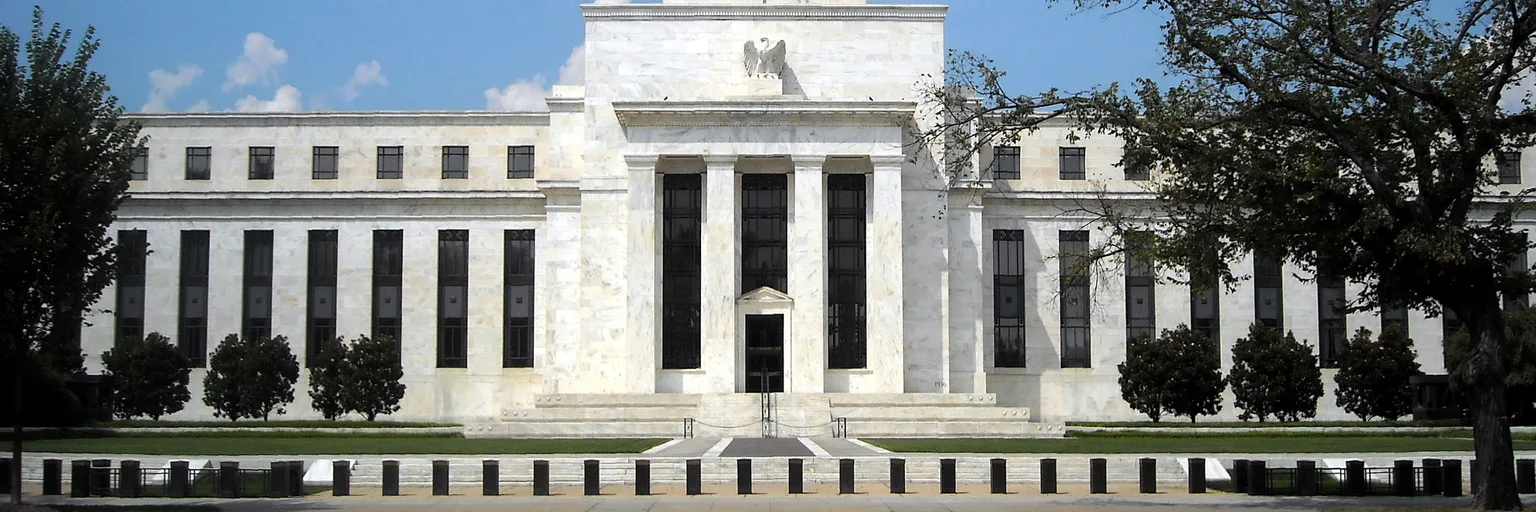
Photo: KEVIN CASTAÑEDA VILLAMIL / Wikimedia Commons (CC BY-SA 4.0)
Is a fiscal rescue still a rescue if the bill lands on the shopping cart? That is the question hanging over Colombia this week, and the easy answer, "it's a tax grab", is only half right.
On Thursday, October 29, the government of President Abelardo de la Espriella filed the Economic Rescue Law in Congress, a document of more than 300 pages. Press reports say it would extend VAT to more products and services, including purchases on international e-commerce platforms regardless of their value. It also includes a VAT refund aimed at 19 million. The headline target, according to BBVA Research, is a fiscal adjustment of about 2% of GDP in 2027.
The backdrop is a budget squeezed by rising debt and interest costs, according to a report carried by U.S. News. The same report notes that Colombia is still trying to regain the investment-grade rating it lost in 2021. The vice president has said next year needs an adjustment of nearly US$22 billion, on top of a US$4.3 billion cut.
The consumer pays, but not the same consumer
The tidy thesis is that fiscal stress always ends up on the consumer. Here the picture is messier, and we think that matters. The government argues that two out of every three Colombians would see their income improve, and that today the poorest pay VAT on what they buy, a tax it calls unfair to low earners. We can't verify that claim independently, and the pairing of wider VAT with refunds is exactly the kind of design that looks good in a press release and gets tested in the details.
Look at the health contribution too. The bill proposes raising it by at least 1.5 percentage points for employees earning above two minimum wages, and by at least 0.5 points for freelancers. Those earning two minimum wages or less would not be affected, and the employer's 8.5% share would stay put. That is a progressive tilt, not a flat squeeze. So the more accurate reading, in our view, is that the cost is being redistributed toward the broad middle and upper-middle, while the lowest earners are partly cushioned.
That still leaves the political problem. Congress's president has already framed the debate with the line that Colombians "don't withstand one more tax," as Semana's headline puts it. When the legislature's own leader opens with that, we think the bill's tax chapters look like the weakest link.
The spending side is the part to watch
It is tempting to fixate on VAT, but the bill also seeks extraordinary powers to merge, abolish or create ministries and state agencies, as Pulzo summarizes from El Espectador. Those powers could not be used to create taxes. This split is revealing: the government seems to want to show it reshapes the state before it asks citizens for more. Whether that is credible, we can't tell yet. Restructuring promises are easy to announce and slow to deliver.
Savers should watch Congress, not the headline
For anyone holding Colombian bonds, the peso or US-listed Colombian companies, the Rio Times advises keeping an eye on the rescue law. Markets have already shown some nerves: Colombian stocks fell 0.63% on Thursday as the peso slipped, though one day's move proves little and we wouldn't read a verdict into it.
Our view is this. The risk isn't the VAT itself; it's dilution. If Congress strips the revenue measures and keeps only the politically cheap ones, the 2% of GDP target probably shrinks, and the rating story gets harder. If it passes the bill largely intact, the near-term pain for consumers is likely real but the fiscal path looks more credible. Neither outcome is certain, and nothing here is a forecast of returns.
The practical advice is modest. Don't trade the headline. Track three things: how much of the VAT widening survives committee, whether the health-contribution change stays progressive, and whether the spending cuts are specified or left vague. And if you are a Colombian household saver, remember that tax rules here are Colombian rules; nothing in this bill tells you how any other country's taxes work.
Verdict: the Rescue Law is less a grab than a gamble that voters will accept a tax in return for a fairer-looking system. Congress, not the finance ministry, decides if that bet pays off.
No topics yet: start the first one.
More stories
Emerging-market yields look generous until the currency sends the bill
Central banks from Manila to Kyiv are raising rates as inflation bites, and the peso's slide shows the risk. Savers chasing high local yields should treat exchange-rate risk as part of the return.

US debt at 100% of GDP is a slow bill, not a doomsday date
Federal debt has reached the size of the US economy. The risk isn't a crash day but long-term yields near 5% that could quietly raise what everyone pays to borrow.

Strong GDP isn't good news for rate relief: markets are betting on a Fed hike
A 3.4% growth print and 3.6% PCE inflation leave the Fed with little reason to ease; the market is betting on a December hike, not a cut.
A 3.4% GDP print isn't a green light: the Fed is thinking hikes, not cuts
US growth hit 3.4% while the Fed's favorite inflation gauge accelerated. The debate has moved past when cuts come to whether another hike is needed.