Invesfera Newsroom
Brazil's soy is now a bargaining chip, and investors should price it that way
Trump's Philippines pitch and an unfinished US-China truce show Brazilian agribusiness depends on great-power deals, not only on rain and yields.
When the state buys stocks to stop a slide, it can calm a panic. It also tells you officials are worried, and that is no reason to treat Chinese equities as protected.
FTSE Russell's reclassification brings index money to Vietnam almost automatically, but foreign investors are still net sellers. Lasting capital will depend on reforms, not on a label.
Bogotá's bill would widen VAT, trim spending and raise health contributions. Who really pays is unsettled, and investors in Colombian assets should watch Congress.
Central banks from Manila to Kyiv are raising rates as inflation bites, and the peso's slide shows the risk. Savers chasing high local yields should treat exchange-rate risk as part of the return.
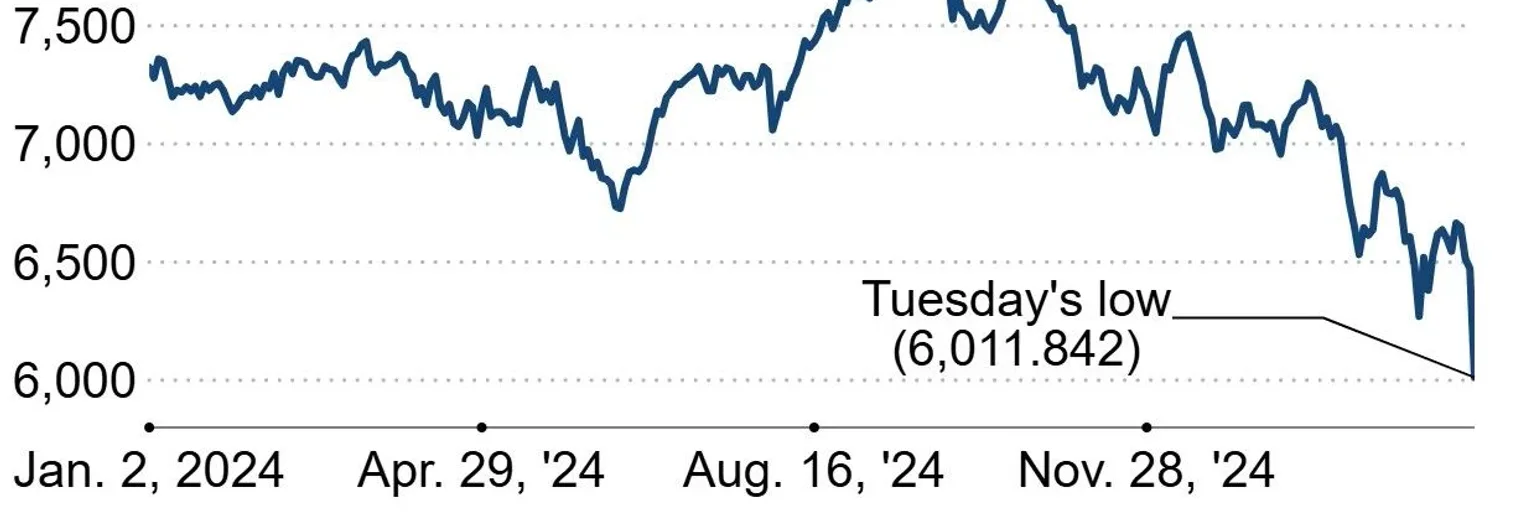
A 13.88% one-day crash after Lula's win says more about surprised investors and fiscal doubts than about Brazil's future. Panic is the wrong reflex, but a check-up isn't.
A near-20% after-hours drop in Brazil's flagship ETF reflects a crowded trade unwinding, not a final judgment on Lula's term. Monday's session and fiscal signals matter more.
South Korea's stock market is now a leveraged-feeling proxy for memory chips, and anyone buying it as emerging-market variety is doubling down on one theme.
Indonesia’s market shock is a warning: when index access and tradability weaken, foreign capital can become an exit door rather than a source of stability.
Guyana's rapid ascent as a major oil producer is reshaping global supply, offering a crucial non-OPEC alternative amidst geopolitical instability and opening new avenues for energy investment.