The ECB can't pause now: treat a December hike as a given
With eurozone inflation confirmed at 4.0%, another ECB hike stops being a risk and becomes a planning assumption. Savers and borrowers should reprice now.
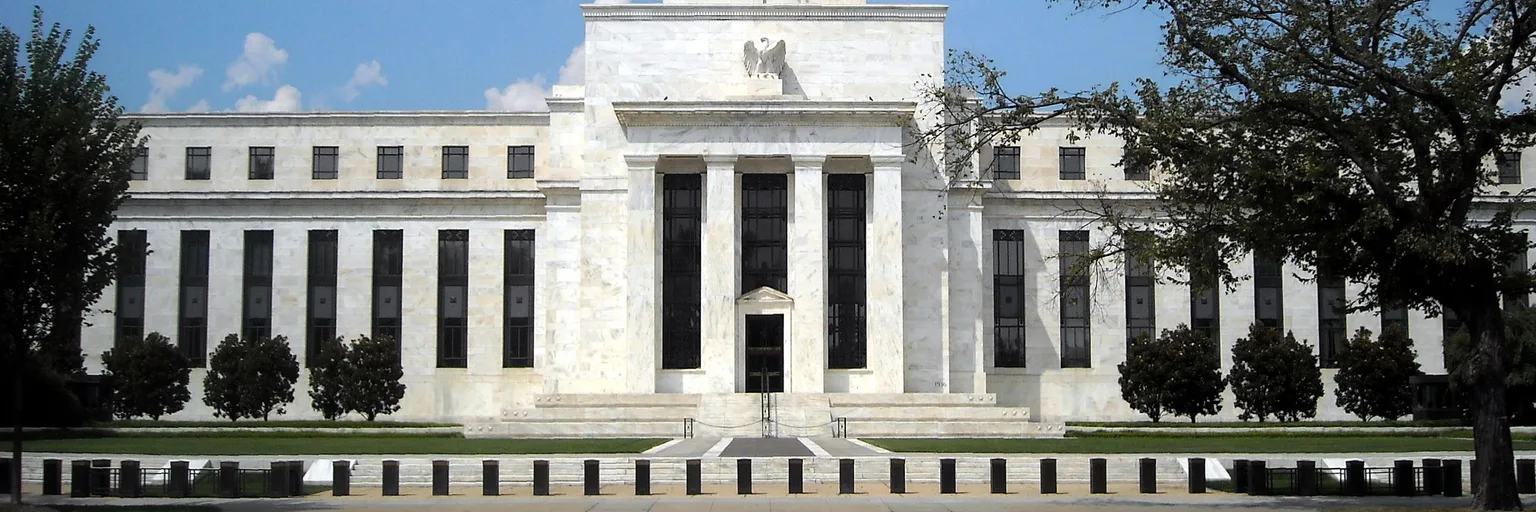
Photo: DXR / Wikimedia Commons (CC BY-SA 4.0)
Is there any scenario in which the European Central Bank sits on its hands in December? After Wednesday's numbers, we struggle to build one. Any hope of a pause now looks like wishful thinking, and in our view budgets should be rebuilt around that.
The facts are short. Eurostat confirmed that eurozone inflation reached 4.0% in October, up from 3.8% in September, according to n-tv, citing final data. That is the highest reading since September 2023. Energy prices, pushed up by the oil shock tied to the Iran war, were 21.0% higher than a year earlier. The ECB has already raised rates in June and September, and chief economist Philip Lane said a third increase would be "klug" (wise) if the data doesn't change before the December meeting.
The data has stopped giving the ECB an excuse
A central bank can pause when the evidence is mixed. This isn't mixed. The figure was confirmed, not revised down, and Lane himself expects inflation to end the year slightly above 4%. The European Commission forecasts 3.2% for 2026 and 3.1% for 2027, still well above the 2.0% target. The Irish Times notes that inflation was 2.1% a year earlier, so prices are rising almost twice as fast as they were.
The counterargument is real, and we should state it: the shock comes from energy, which interest rates can't lower. Higher rates don't end a war or bring down the oil price. The Irish Times also warns that surging energy prices threaten to choke off growth. A hike into weakness is uncomfortable.
But that is exactly why we think the ECB can't blink. The Irish Times describes this year's hikes as an effort to stop the rise in energy prices from spreading to other sectors. Stopping halfway, with inflation at double the target, would in our view invite the very spillover the bank wants to avoid. Credibility is the asset at stake, and we think a pause now would cost more than a modest hike.
Other central banks are showing the same hand
The ECB isn't alone. The Bank of England raised rates to 4.00% earlier this month, its first increase in three years, and Handelsblatt reports that investors put the chance of a December move at 80%. That is a different country with a different economy, so we wouldn't copy-paste its path onto the euro area. But the direction of travel matters: the energy shock is pushing policymakers the same way in more than one place.
One more wrinkle. The ECB also said in its Financial Stability Review that France and other indebted states must rein in spending or face even higher borrowing costs. Higher policy rates probably make that warning sharper. We'd treat it as a reminder that the bill for tighter money doesn't land evenly across the euro area.
What savers and borrowers should do with this
None of this is personal advice, and rules, products and tax treatment vary by country. But the logic of planning is general.
If you borrow at variable rates, assume payments rise again in the coming months and see whether your budget survives it. A December hike is likely, not certain, but a budget that only works if the ECB pauses is a fragile one. Check whether you could absorb another 0.25 percentage points, which is the size Morningstar says is expected, and what happens if there is more after that.
If you save, higher rates are good news only if your bank passes them on, and 4% inflation eats the interest quickly. Compare what your savings actually earn with the inflation rate rather than celebrating a nominal number. Don't lock everything away on the belief that rates have peaked, because we don't know that they have.
If you're waiting for a pause before refinancing or making a big purchase, ask what you're actually waiting for. Inflation at 4.0% with energy up 21.0% doesn't look like the backdrop for an early reversal. A forecast of cuts is a hope; a hike is what the evidence points to.
Our verdict
The prudent stance is to stop treating a December increase as a tail risk. Price it in, stress-test the monthly budget, and keep a cushion for a surprise in either direction. Energy prices could fall, and that would change the picture quickly. But planning around the best case is how households get caught out. With inflation at twice the target, the ECB has little room left to do anything else.
No topics yet: start the first one.
More stories
Hands off the ECB: politicized money is a tax on savers
Pressure on the ECB may sound like cheap financing for governments, but we think the bill lands on savers and borrowers through a higher price for inflation risk.

The ECB succession deal is a rates signal, not Brussels theater
Paris and Berlin are haggling over who runs the ECB, but the real bet is how hawkish it stays. Savers and borrowers should read it as a rates signal.

The Fed's December question is no longer if, but how much
A hot October CPI turned a quarter-point hike into the floor of the debate. Investors should stress-test bond and growth exposure for a steeper path, not one more step.
The ECB's December hike is the base case, and savers should plan for it
With eurozone inflation at 4% on energy, markets are right to price a December hike. The smarter question is whether it's the last, and what that means for your money.