The Fed's December question isn't if, but how much: stress-test for 50bp
The minutes say almost everyone expects more hikes, and a couple of officials float a half-point. A 50bp move isn't the base case, but it's the right stress test.
Photo: AgnosticPreachersKid / Wikimedia Commons (CC BY-SA 3.0)
Is the market arguing about the wrong thing? Much of the debate has been framed around whether the Federal Reserve will raise rates again. The October minutes suggest that question is mostly settled. The live question is how fast and how far, and that is much harder to price.
The facts first. The minutes of the October 27-28 meeting, as CNBC reports, say "almost all participants" judged that further rate increases "would likely be appropriate" to bring inflation back to 2%. The Fed held at 3.75%-4% in a 10-2 vote, with Lisa Cook and Beth Hammack dissenting in favor of a quarter-point hike. A couple of participants noted that a larger move might be needed in December. Governor Christopher Waller said publicly Wednesday that the Fed should consider 50 basis points on December 8-9.
The consensus is on direction, not on size
It's tempting to read "almost all favor hikes" as "the Fed is about to go big." We think that overreads it. Futures, according to CME FedWatch as cited by CNBC, fully price a quarter-point move in December with low odds of a half-point. New York Fed President John Williams said, per the New York Post, "I don't think the situation calls for dramatic action." Even IBTimes notes that the minutes don't establish that a December hike, or its size, has been decided.
So our read is that 25bp is still the base case. But a base case isn't the same as the risk that matters. Waller's argument is not that 50bp is inevitable. He said a quarter-point could be enough if the Fed clearly signaled another hike in January. If it won't, he'd prefer the bigger move. And according to the New York Post, Chairman Kevin Warsh has steadily refrained from giving that kind of guidance. That is the crack in the consensus: in our view, the Fed's own communication style makes a surprise more likely than the pricing implies.
Why the tail is fatter than it looks
The inflation data isn't cooperating. October CPI rose 0.4% overall and 0.3% in the core, both 0.1 point above expectations, CNBC reports. Waller put the three-month core pace at about 3.5% annualized. More worrying than the level is the breadth: most officials said price pressures are broad-based, and a majority flagged the risk that higher costs could be passed on to customers more broadly and persistently.
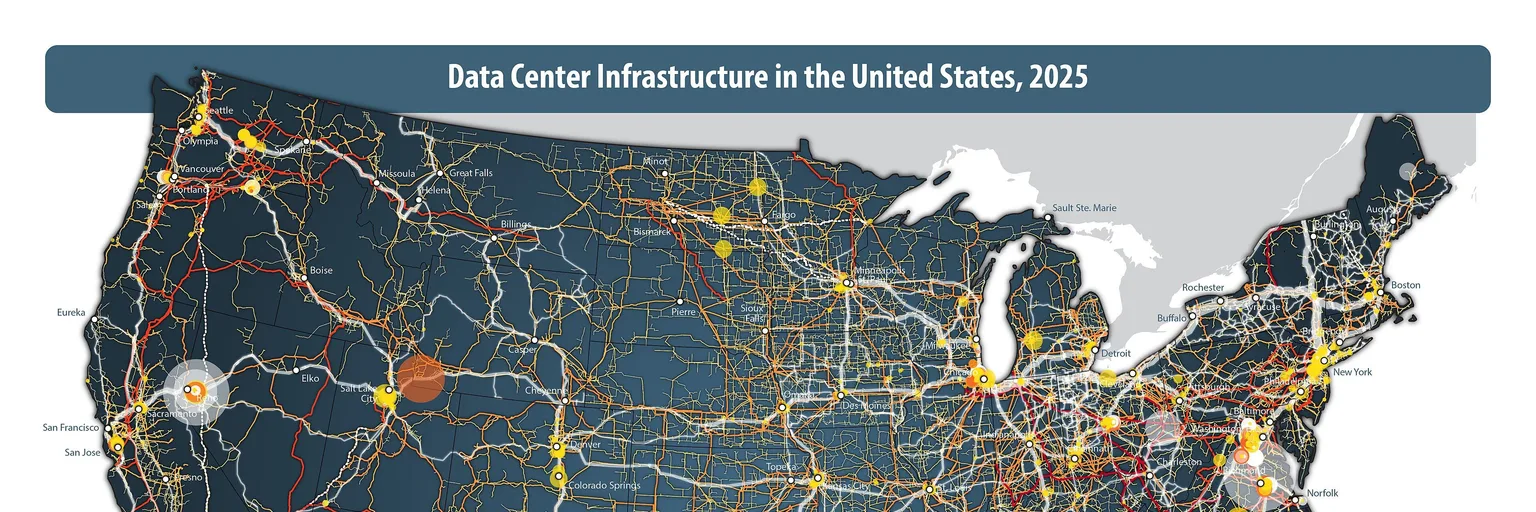
Then there's the AI build-out, which the minutes treat as both an inflation risk and a financial stability one. Some officials judged that the investment surge could push demand beyond supply, and Fed staff warned that off-balance-sheet leasing and circular financing among AI firms could amplify losses if returns disappoint. That cuts both ways, and that is why we find it uncomfortable. A Fed that hikes harder to cool demand is hiking into a sector where, according to the minutes, most participants saw rapid debt growth through complex and opaque financing structures. We're not predicting a crisis, and the minutes frame these as possible risks, not a current one. But a faster path is exactly the kind of shock that tends to expose leverage.
Markets are already nervous. One report has the Nasdaq about 11% below its high, though that figure comes from a stock-picking column, so treat it as a rough marker. What we can say is that a half-point surprise would land on a market that isn't relaxed.
The practical move is to stress-test, not to predict
This isn't personal advice, and your situation and your country's rules will differ. But as a framework, the useful exercise is simple. Take the path the market expects, and then run a harsher one: 50bp in December, then more hikes into 2027. St. Louis Fed President Alberto Musalem said Tuesday that "the economy will likely require several interest rate increases before the spring of 2027," and Waller said several hikes, not just two, might be needed.
Three questions are worth asking:
- Variable-rate debt: What happens to your monthly payment if the benchmark moves up by an extra quarter-point on top of what's priced? If the answer is "I'd be fine," good. If it's "I'd be squeezed," that is the debt to look at first.
- Portfolio concentration: How much of your holdings depends on one theme, such as AI, that the Fed itself flags as a source of inflation risk and financial fragility?
- Timing of big commitments: The New York Post notes mortgage rates have topped 7% in recent months and home sales have withered. Anyone counting on rates easing soon should ask whether that's a plan or a hope.
Our verdict
The mistake would be to treat the minutes as a prediction. They are a record of a committee that agrees on direction and disagrees on speed, led by a chairman who won't say which. Forecasts of a calm 25bp may well prove right. But the cost of being wrong is lopsided: if you've planned for a quarter-point and get a half, you absorb a surprise. If you've planned for a half and get a quarter, you've simply been prudent.
We'd stop asking whether the Fed hikes and start asking whether our finances survive a faster, higher path. Run that test before December 8, not after.
No topics yet: start the first one.
More stories
AI Is a Capital Shock, and Higher-for-Longer Rates May Be the Price
The IMF says AI demand is pushing prices up worldwide. We think savers and investors should plan for a world where borrowing stays costly instead of waiting for cuts.
Nvidia's record quarter was the price of admission, not a victory lap
A quarter that more than doubled revenue arrived after four straight down days for U.S. stocks. The real question is how much AI-chip risk sits in your own portfolio.

Gold and silver aren't broken: they're just rate and dollar trades
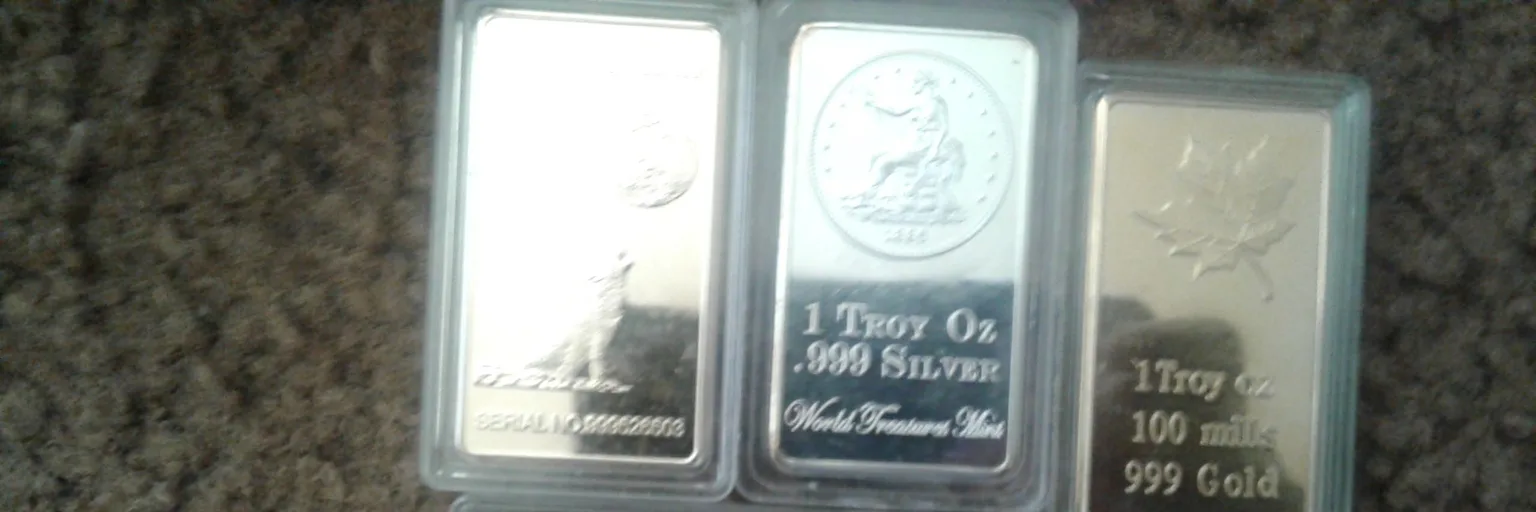
Gold and silver hit one-year lows as the dollar firmed and rate worries grew. That should make savers ask why they own metals before they buy the dip.
The ECB's AI warning is a concentration check, not a sell signal
Central banks are flagging AI valuation risk the week Nvidia reports. The sensible reading is to look at how much of your portfolio rides on one theme, not to dump it all.