Trump's Sanctions Suspension: A Geopolitical Gambit with Economic Ripples
President Trump's abrupt decision to suspend key sanctions and tariffs on Russia, citing national interests, signals a profound shift that could reshape global energy markets and test the resilience of economic alliances.
Photo: Presidential Press and Information Office (Михаил Метцель, ТАСС) / Wikimedia Commons (CC BY 4.0)
In a move that has sent ripples across international markets and diplomatic circles, President Donald Trump has ordered the suspension of significant sanctions and tariffs on Russian exports. Just weeks after signing the very legislation designed to intensify pressure on Moscow, this reversal raises pressing questions about global energy security, the future of international alliances, and the intricate dance between domestic politics and foreign policy.
On October 16, 2026, President Trump issued an executive order to put on hold crucial provisions of the 'Lindsey Graham Act of 2026', a bipartisan bill he had signed just last month. This act aimed to curb Russia's revenue streams, even granting the president the power to levy tariffs up to 100% on major buyers of Russian oil and gas, and a staggering 500% on other Russian imports. The President cited "national interests" and the need to lower diesel prices ahead of the November 3 midterm elections as the primary motivations for his decision. This announcement follows closely on the heels of a deal with Russian President Vladimir Putin to release millions of tons of Russian diesel fuel onto the global market over the coming months.
A Political Signal, Not Just a Fuel Fix
While the immediate headline focused on easing fuel costs, a closer look at the actual volumes of diesel involved suggests the move carries a stronger political than purely economic message. The agreement with Russia promises 1.8 million tons of diesel over at least four months. To put this in perspective, global consumption stands at about 120 million tons during the same period, with 300,000 tons in October barely scratching 10% of a single day's worldwide consumption, according to Corriere.it. Initial market reactions were fleeting: Brent crude and WTI saw a brief dip before starting to climb again, with only US ULSD futures experiencing a more notable 4% drop.
This limited immediate market impact underscores that the executive order is less about a massive infusion of cheap fuel and more about a strategic political maneuver. By citing rising fuel costs—which he attributes partly to Ukrainian attacks on Russian oil infrastructure—President Trump positions himself as addressing a key voter concern just weeks before pivotal elections. The real significance, in our view, lies in the stark contrast between a recently signed, bipartisan act and its rapid suspension, signaling a shift in the administration's approach to the ongoing conflict in Ukraine and its economic fallout.
Europe's Dilemma: Sanctions Undermined?
For Europe, the immediate implications are somewhat nuanced. The suspension of US sanctions does not automatically pave the way for Russian diesel to enter the Italian or broader European markets, as existing EU embargoes remain firmly in place. Consequently, Russian diesel will likely be diverted to markets in Turkey, Africa, and Korea. However, the decision by the US to ease its own restrictions could significantly undermine the efficacy of a coordinated Western sanctions regime.
As previous analyses by AffarInternazionali.it have highlighted, the impact of sanctions on Russia is far more pronounced when there is full coordination between the United States and the European Union. Europe has, at times, made difficult decisions to align with US pressure, such as accelerating the elimination of Russian liquefied natural gas imports, leading to increased reliance on US LNG.
No topics yet: start the first one.
More stories
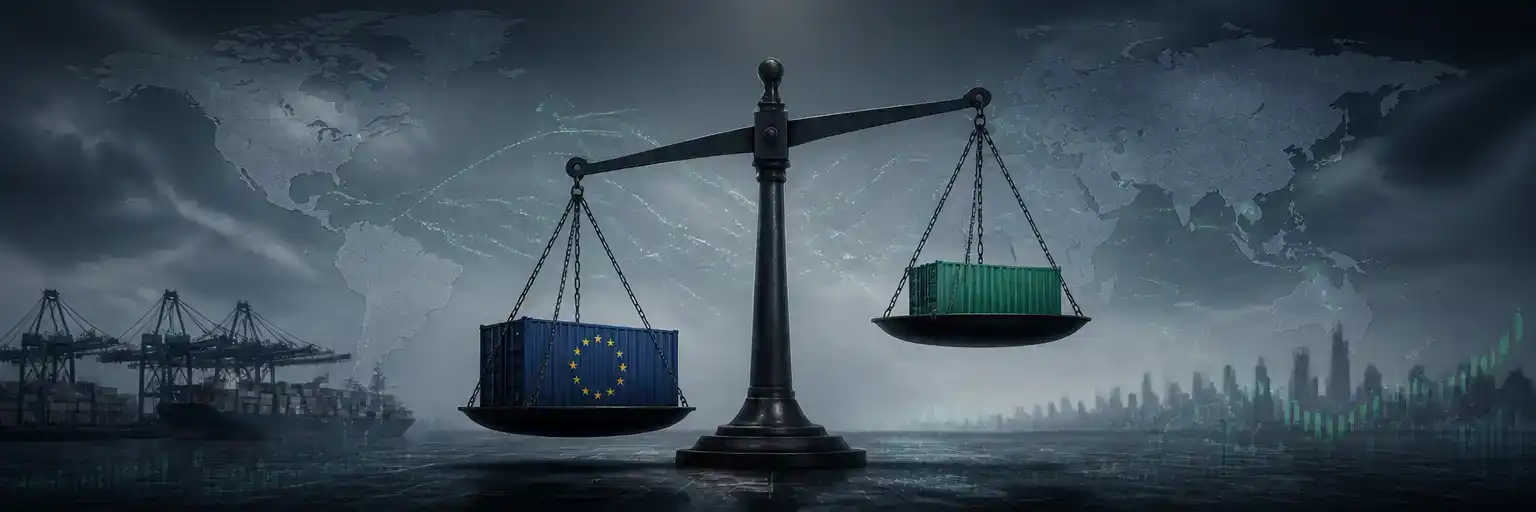
The EU's Two-Front Trade War: A Strategy in Peril?
A stark decline in exports to the US and a ballooning deficit with China reveal deep vulnerabilities in the European Union's trade strategy, demanding immediate, radical diversification.
Europe's Twin Crises: Budget Battles and Energy Shocks Expose Deep Divisions
The European Council's recent summit underscores a fragmented bloc, with member states clashing over shared fiscal policy and energy strategy amid escalating global conflicts and economic pressures.

Greenland's Historic Vote to Halt Deep-Sea Mining
Greenland's parliament has voted to draft legislation for a temporary ban on deep-sea mining until 2029, signaling a potent blend of resource nationalism and environmental responsibility, setting a new precedent for global mineral investment.

Singapore's 5.4% GDP surge: A blueprint for global economic resilience?
While many major economies brace for continued slowdowns, Singapore's robust 5.4% year-on-year GDP growth in Q3 2026 offers a compelling case study in navigating international headwinds with strategic agility.