Meta's Election Interference: A Threat to Democratic Integrity and Market Trust
Meta's admitted restrictions on Lula's campaign and algorithmic favoritism toward Flávio Bolsonaro in Brazil raise serious questions about its influence on political outcomes and its commitment to fair digital discourse, signaling potential regulatory headwinds and market challenges.
AI-generated image
Can a single technology company hold the keys to a nation's democratic process? The recent revelations regarding Meta's actions during Brazil's ongoing presidential election suggest a disquieting level of influence, sparking a critical debate over platform accountability and the integrity of online political discourse. While Meta attributes incidents to “technical glitches,” the pattern of issues, particularly those affecting President Luiz Inácio Lula da Silva's campaign, casts a long shadow over its role in elections and demands closer scrutiny.
Internal messages from Meta employees, obtained by Folha, confirm that Lula's official Instagram account faced restrictions that prevented his campaign from boosting feed posts for nearly 24 hours on October 9. Simultaneously, internal communications indicate algorithmic recommendations for Senator Flávio Bolsonaro's profile on Instagram and WhatsApp, a practice explicitly prohibited by Brazil's Superior Electoral Court (TSE). These incidents, alongside a growing list of complaints, have led Lula's campaign to file official complaints with the TSE, the National Data Protection Authority (ANPD), and even international observers like the Organization of American States (OAS), accusing Meta of interfering in the electoral process.
The Veil of “Technical Glitches” — A Pattern of Concern
Meta has consistently attributed the issues impacting Lula's campaign to “technical problems” or “global data outages.” However, the specifics of these incidents raise concerns. For instance, the inability for Lula's campaign to pay to increase the reach of his Instagram feed posts on October 9 meant an estimated 1.3 million people did not see these ads, according to the campaign. While Meta claimed a global data outage affected over 3,000 accounts on October 7, Lula's specific issue on October 9 lasted almost 24 hours, not the 5 hours reported for the global problem. Internal messages also reveal employees' frustration with engineers' slow response, urging the issue to be classified as SEV2, indicating high urgency.
The problems extend beyond ad boosting. Lula's campaign reported the repost and story-sharing buttons on his Instagram profile were unavailable for several hours. Furthermore, in September, Meta had already deactivated the ad account for President Lula's re-election campaign without publicly explaining its reasons.
No topics yet: start the first one.
More stories
Tesla-SpaceX Merger: A High-Stakes Bet on Elon Musk's Unified Vision
The anticipated combination of Tesla and SpaceX, fueled by Barclays' analyst predictions, promises radical synergies but also introduces substantial financial and governance complexities that could dilute value for existing shareholders.
Lufthansa's TAP Acquisition: A Masterstroke in European Skies
Lufthansa's successful bid for TAP Air Portugal against Air France-KLM signifies a pivotal consolidation in European aviation, offering a robust gateway to critical growth markets and reshaping the competitive landscape.

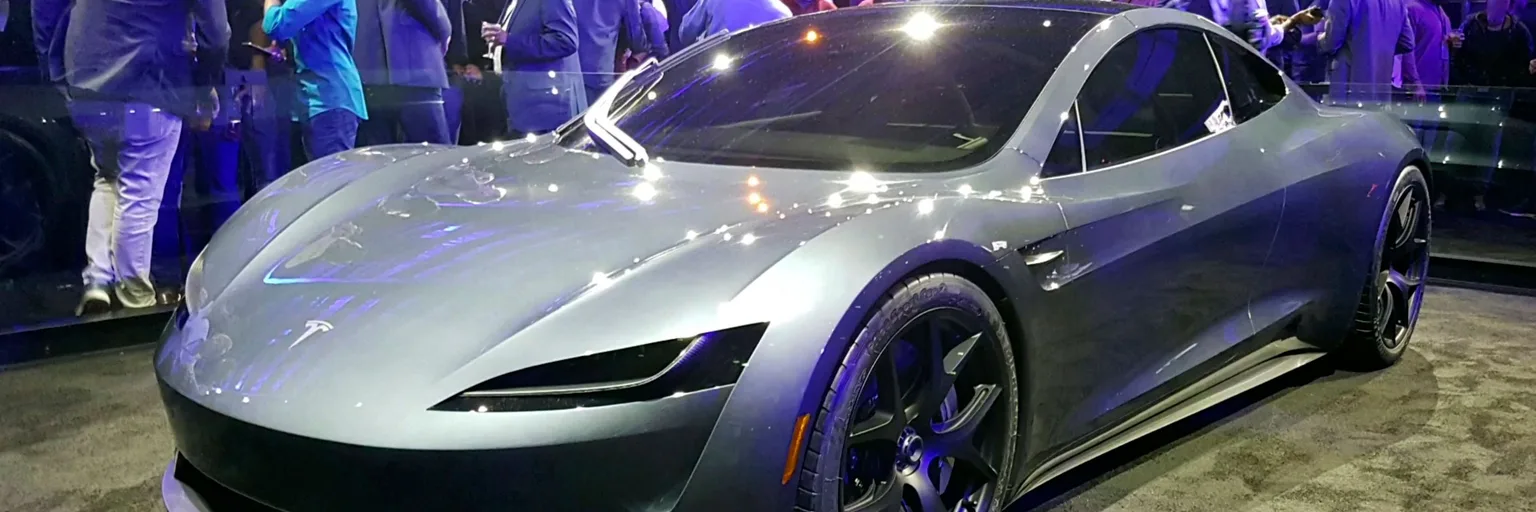
Tesla's Roadster: A Test of Hype Versus Hard Reality
After years of delays and increasingly wild claims, the Roadster's unveiling tonight will determine if Tesla can translate audacious promises into tangible products and maintain investor trust.
Wizz Air's Spanish Gambit: More Than Expansion, It's Strategic Recalibration
The low-cost airline's aggressive push into Spain, particularly its Bilbao growth, is a calculated reorientation designed to reshape regional aviation and intensify market competition.