Tesla-SpaceX Merger: A High-Stakes Bet on Elon Musk's Unified Vision
The anticipated combination of Tesla and SpaceX, fueled by Barclays' analyst predictions, promises radical synergies but also introduces substantial financial and governance complexities that could dilute value for existing shareholders.
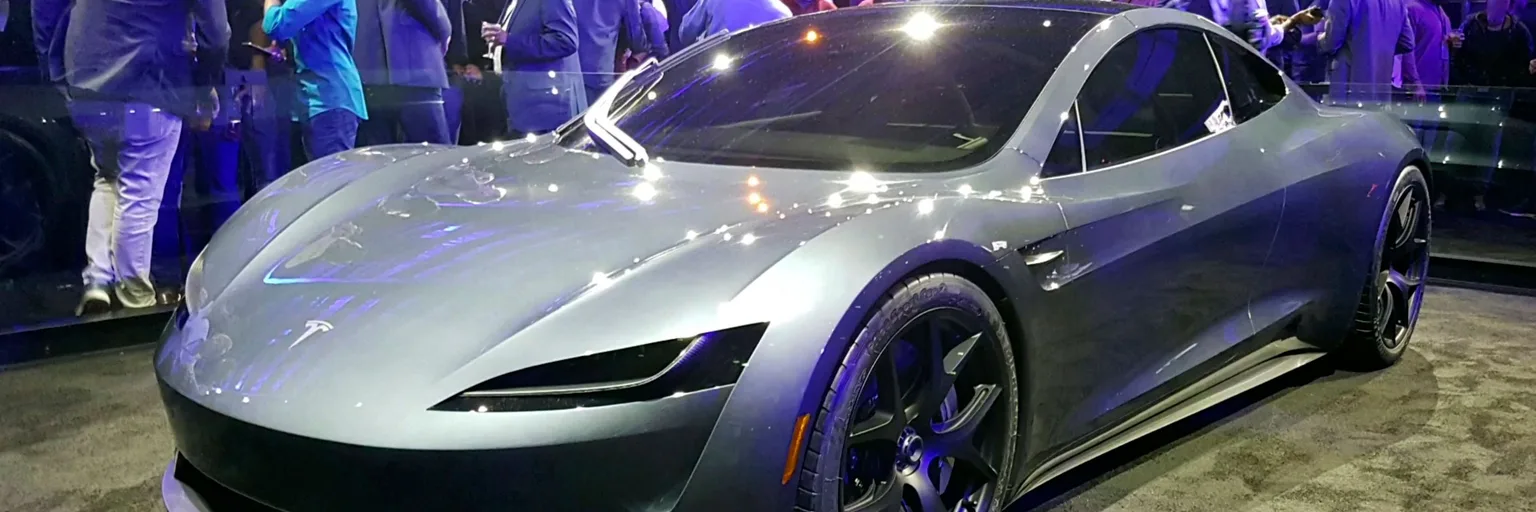
Photo: Daniel Oberhaus / Wikimedia Commons (CC BY 4.0)
Is the market ready for a $3.6 trillion enterprise born from Elon Musk's most ambitious endeavors? Speculation surrounding a potential merger between Tesla and SpaceX has reached a fever pitch, driven by a recent series of analyst reports. While the industrial logic of such a combination, particularly in artificial intelligence and advanced manufacturing, is compelling, the financial and governance hurdles suggest this could be a high-stakes gamble for investors.
Indeed, the rumblings have grown louder. Barclays analyst Dan Levy recently posited that an announcement regarding a Tesla-SpaceX merger could arrive before Tesla's annual general meeting, which must be held by December 6, 2026. This forecast, shared across multiple outlets including Yahoo Finance and Bloomberg, immediately sent both stocks sliding. Tesla closed at $367.16, down 2.15%, while SpaceX fell 2.80% to $152.16 before slipping further after hours, as reported by 24/7 Wall St.
The Allure of Vertical Integration and AI Synergy
At first glance, a car manufacturer and a space exploration company appear to operate in disparate fields. Yet, as both Tesla and SpaceX increasingly pivot into artificial intelligence, the boundaries blur. Tesla’s focus on applying AI to real-world devices, such as its Robotaxi, Full Self-Driving (FSD) technology, and the Optimus robot, aligns conceptually with SpaceX’s AI ambitions through xAI, Grok, and its satellite networks for orbital data centers. This growing overlap forms the core of the merger's theoretical value.
Adding to this synergy is the joint Terafab chip project, a facility planned to manufacture semiconductors for Tesla vehicles, Robotaxi, and Optimus, while also meeting chip demand for SpaceX's orbital computing satellites. This unified operation, in theory, could reduce redundant spending and shorten technology deployment cycles, as noted by TradingKey. Furthermore, active commercial dealings already exist: SpaceX has purchased Cybertrucks, and both SpaceX and xAI have acquired hundreds of millions of dollars of Tesla Megapack energy storage equipment, demonstrating established inter-company reliance. According to Barclays' analysis, the true value of such a combination would be in vertical integration, creating a single supply chain and streamlining decision-making.
The Hurdles: Valuation, Governance, and Shareholder Concerns
Despite the compelling industrial logic, the path to a merger is fraught with significant hurdles, primarily regarding valuation and corporate governance. Barclays projects an all-stock transaction where SpaceX, valued at approximately $2.1 trillion, would effectively acquire Tesla, with its $1.5 trillion market capitalization, creating a combined entity worth roughly $3.6 trillion. Analysts estimate that each Tesla share could be exchanged for approximately 0.7 shares of SpaceX, leaving current Tesla shareholders with a minority stake of around 40% in the combined company, as detailed by TradingKey. This potential for dilution and the fairness of the exchange ratio are expected to be key points of contention for shareholders.
The proposed structure also raises governance questions, particularly concerning Elon Musk's control. Musk holds about a 20% stake in Tesla and nearly half of SpaceX’s economic interest, with a higher percentage of voting rights in SpaceX due to its dual-class share structure. A merger could allow him to control more than half of the combined entity's voting power, which would reduce internal coordination but could also increase scrutiny over concentrated governance. Additionally, shareholder approval from both companies would be required, a process complicated by potential conflicts of interest among directors and the differing profitability profiles and capital expenditure needs of the two businesses. The December 6 deadline leaves little time for the complex sequence of board special committees, signed agreements, regulatory filings, and shareholder votes required for a real deal.
No topics yet: start the first one.
More stories
Lufthansa's TAP Acquisition: A Masterstroke in European Skies
Lufthansa's successful bid for TAP Air Portugal against Air France-KLM signifies a pivotal consolidation in European aviation, offering a robust gateway to critical growth markets and reshaping the competitive landscape.

Tesla's Roadster: A Test of Hype Versus Hard Reality
After years of delays and increasingly wild claims, the Roadster's unveiling tonight will determine if Tesla can translate audacious promises into tangible products and maintain investor trust.
Wizz Air's Spanish Gambit: More Than Expansion, It's Strategic Recalibration
The low-cost airline's aggressive push into Spain, particularly its Bilbao growth, is a calculated reorientation designed to reshape regional aviation and intensify market competition.
GTA 6 Leaks: More Noise Than Signal for Investors
The latest GTA 6 leaks are fueling unprecedented hype, but the precarious nature of these speculative releases offers little actionable insight for investors and carries significant risks of misinformation.