Beyond Billionaires: Why Equality Fuels Economic Growth, Not Hinders It
Leading economists and research initiatives like ClosinGap demonstrate that reducing gender and wealth inequality is not merely an ethical choice, but a powerful engine for economic growth and stability.
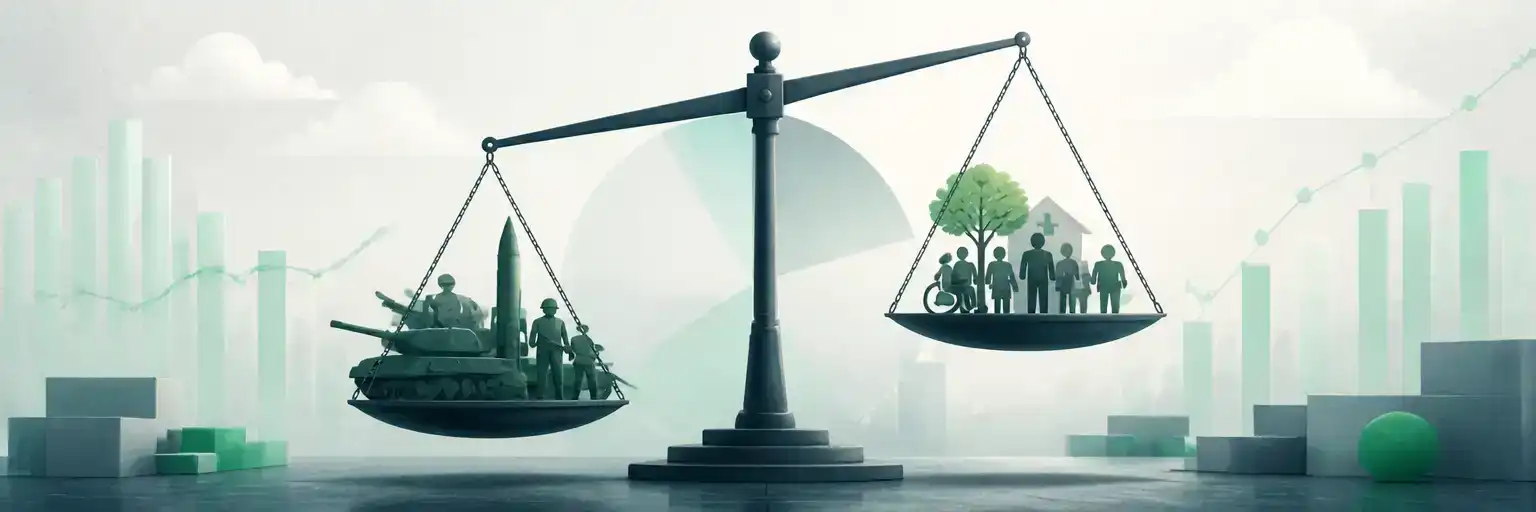
AI-generated image
Is our economic future inevitably shaped by unchecked billionaire influence, or can we steer towards a more equitable, prosperous path? The growing consensus among leading economists and research bodies is clear: reducing gender and wealth inequality isn't merely an ethical imperative; it's a critical, often overlooked, engine of economic growth and stability.
For too long, conversations about inequality have been siloed into discussions about human rights or social justice, separate from the hard numbers of GDP and market performance. Yet, as progressive economists challenge established neoliberal doctrines, a clearer picture emerges: the economic costs of inequality are substantial, and the benefits of fostering equality are measurable and transformative. Initiatives like the Global Justice Project, which builds on the analysis and proposals of renowned economist Thomas Piketty, advocate for a profound transformation of our economic model, and aims to address issues of unchecked wealth concentration.
The Overlooked Drain: The Cost of Gender Gaps

One of the most compelling arguments for equality as an economic driver comes from the realm of gender parity. Organizations across Europe are spotlighting the tangible economic benefits of empowering women, moving beyond abstract principles to hard data. For instance, the European Institute for Gender Equality (EIGE) highlights that greater gender equality directly translates to higher employment rates and more jobs across the EU. The logic is straightforward: when half the population faces barriers to full economic participation, the entire economy suffers.
In Spain, the non-profit association ClosinGap, formed by twelve large companies, has rigorously analyzed the economic impact of gender gaps. Their research estimates that simply closing the gender gap in certain sectors could contribute up to an astonishing €122 billion annually to Spain's GDP, representing 7.7% of its total economic output. Furthermore, their analysis on gender disparity in innovative entrepreneurship reveals a cost of €5.3 billion to the Spanish economy in 2023 alone, equivalent to 0.43% of GDP. This underscores that gender inequality is not just a social issue but a significant economic opportunity cost, hindering innovation and overall productivity.
Even seemingly personal issues like work-life balance disparities carry a high economic and social cost, impacting productivity and talent retention. The message is clear: when societies neglect gender equality, they are leaving substantial economic value on the table. The European Investment Bank (EIB) echoes this, stating that fully closing the gender gap could lift GDP by an average of 23% in some countries, demonstrating the immense potential unlocked by equitable systems.
Reimagining a Global, Fairer Economic Model
Beyond gender, the broader issue of wealth concentration and systemic inequality demands a fundamental rethinking of our global economic structures. The Global Justice Project (GJP) serves as a platform to stimulate research, policymaking, and citizen engagement towards a more democratic and equitable world. This initiative is not advocating for minor adjustments but for a
No topics yet: start the first one.
More stories
Germany's Pension Debt: The 46% Tax Black Hole Threatening Future Generations
Germany's pension costs are projected to consume nearly half of tax revenues by 2040 if proposed reforms are enacted, threatening public finances and sparking an intergenerational crisis.

Eurozone Inflation's Rebound: A Persistent Headache for the ECB
The unexpected surge of eurozone inflation to 3.8% in September, propelled by soaring energy costs, challenges the European Central Bank's stability goals and signals a potentially prolonged period of economic strain.

Russia's Wartime Economy: The Illusion of Resilience Crumbles Under Debt
Despite initial appearances of resilience, international sanctions and escalating military expenditures are forcing Russia into deep budget deficits, prioritizing war over social welfare and revealing long-term economic vulnerabilities.
The Fed's Rate Hikes: A Silent Squeeze on American Wallets
The Federal Reserve's recent interest rate increases are more than just financial headlines; they are a profound economic force reshaping US markets, curbing consumer spending, and impacting household finances.