A 10% credit card cap sounds like relief, but it could lock people out
Capping card rates at 10% is easy to cheer for, but the likeliest losers are riskier borrowers who lose cards, rewards or both. Plan for that, not the headline.
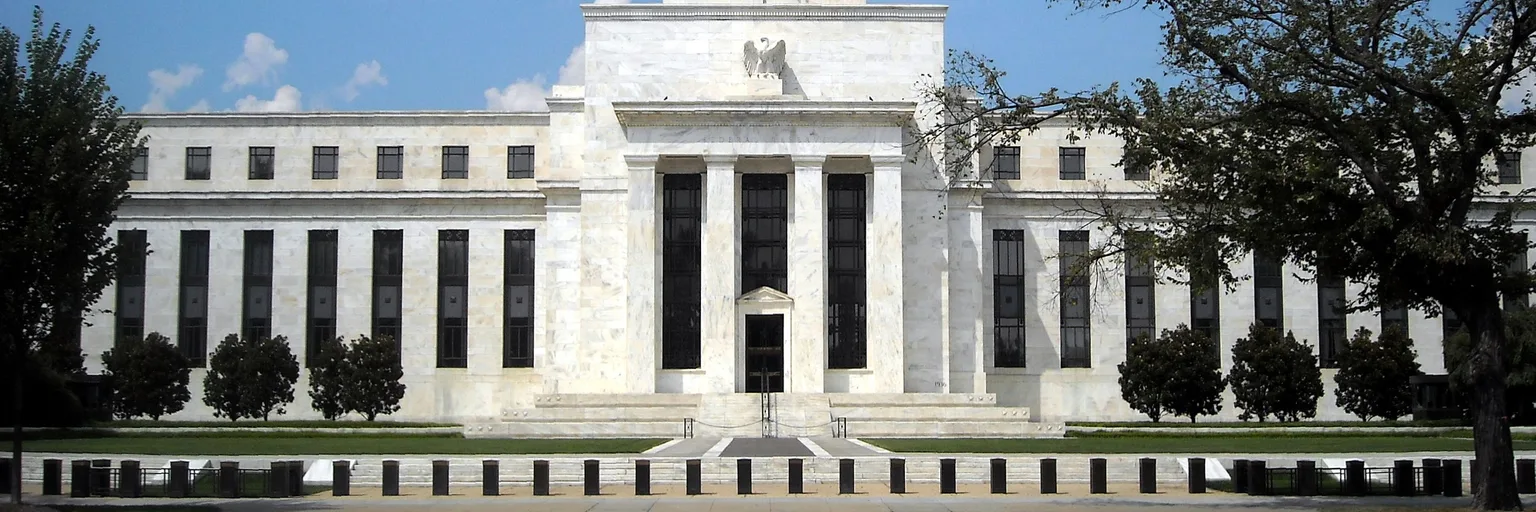
Photo: Ben Schumin from Montgomery Village, Maryland, USA / Wikimedia Commons (CC BY-SA 2.0)
Who could object to cutting a credit card rate from more than 20% to 10%? That is the beauty of the proposal, and the reason it keeps coming back. It is also why it deserves more suspicion than applause.
The latest round came Saturday. President Trump told Fox News he would work with an incoming Democratic Congress on a cap, saying "I would do it." As the AP reported, he first proposed it in January and it stalled amid industry pressure and little Republican interest. Sen. Elizabeth Warren, expected to chair the Senate Banking Committee, replied: "Let's cap credit card interest rates and save Americans money."
The politics are easy; the pricing is not
The appeal is obvious. The median card rate is roughly 22.2%, per an August New York Fed survey cited by the AP, and card balances have hit a record, as Fox Business notes, citing the New York Fed. When a bill arrives with a rate that high, a ceiling feels like simple justice.
But a rate is not just a greed dial. It is also the price of risk. A lender charging 22% to someone with a thin credit file is, at least in part, pricing the chance that the person won't repay. Force that price down to 10% and the lender has a few options: lend only to safer customers, shrink credit lines, or recover the money elsewhere. In our view, that is the part the slogan skips.
The banks say as much. Per the AP, they argue a cap would force them to cancel cards for poorer and less creditworthy customers or sharply cut rewards. Banking groups called it "devastating" for millions of Americans, according to Fox Business. Of course, banks are an interested party, and we would not take their word as gospel.
Even the friendly research has a catch
The most favorable estimate is worth reading carefully. Researchers who studied the pledge found Americans would save roughly $100 billion a year in interest, and that the industry would take a major hit yet stay profitable. That is a real number. Against it, the CFPB says about 195 million people had cards in 2024 and were charged $160 billion in interest.
Notice what the same researchers concede: rewards and perks might be scaled back. That is the quiet trade. Savings on interest go mostly to people who carry balances. Losses in rewards and access could land on a different, broader group. We think the likeliest result is not "cheap credit for everyone" but a narrower, more selective market. Fees are the other suspect. Trump himself complained about fees as well as rates, yet a rate-only cap could invite lenders to move revenue into annual fees or other charges. That is a forecast, not a finding, and it is not yet clear how a final bill would treat fees.
What to do while Washington argues
Nothing has passed. Democrats take control of Congress in January, which makes a bill more plausible, but a plausible bill is not a law, and its details would matter enormously: how long the cap lasts, which products it covers, and whether fees are limited.
Our advice is practical, and it is not personalized investment advice. Don't plan your finances around a 10% card. If you carry a balance at a 20%-plus rate, the surest relief is still paying it down, rather than waiting for a political promise. If your credit profile is shaky, keep existing accounts in good standing, since the biggest risk in a cap is losing access. And if you are a cardholder who pays in full and enjoys rewards, assume the perks may be the price someone else's relief is paid with.
The verdict: the goal is right and the instinct is understandable. But a price ceiling is a blunt tool, and the people it is meant to help are the ones with the least room to absorb the side effects. Lawmakers should have to show how they will protect access before they get credit for lowering the rate.
No topics yet: start the first one.
More stories
The ECB's October pause was no relief: plan for a December hike
The minutes show many policymakers would have raised rates in October. Borrowers and savers should treat a December increase as the base case, not a risk.

Hernández de Cos at the ECB: read his record, not the flag
The EU summit is set to hand Spain its first ECB presidency, but what matters for savers and borrowers is a pragmatic, bias-free profile and an inflation problem he inherits.

A 4.3% GDP print is bad news if you're waiting for rate cuts
US growth above forecasts, hot inflation and a Fed leaning toward hikes make the tech selloff and falling yields look like a mixed signal, not an all-clear.
Energy is pushing central banks back to hiking: plan for higher for longer
Four central banks reportedly lean toward tightening as energy costs keep inflation alive. Savers and borrowers should stop waiting for a quick return to cheap money.