Hernández de Cos at the ECB: read his record, not the flag
The EU summit is set to hand Spain its first ECB presidency, but what matters for savers and borrowers is a pragmatic, bias-free profile and an inflation problem he inherits.
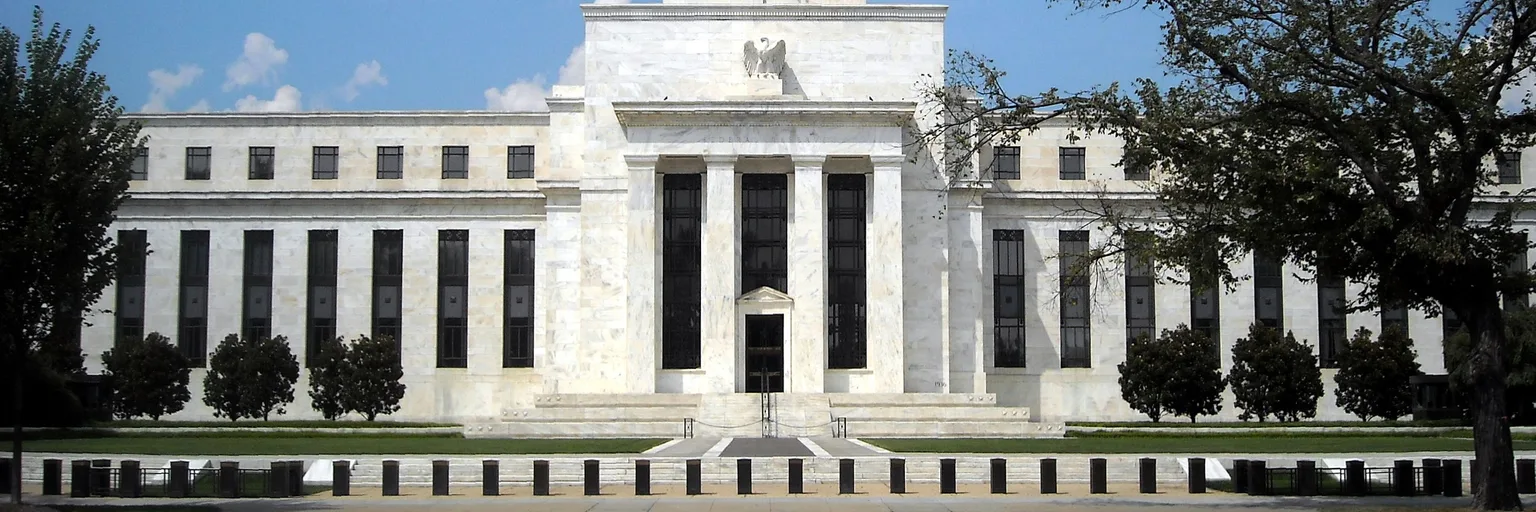
Photo: Norbert Nagel / Wikimedia Commons (CC BY-SA 4.0)
Will your mortgage or your savings account care that the next head of the European Central Bank is Spanish? Almost certainly not. They will care whether he raises rates, holds them or cuts them, and on that question the passport tells you nothing.
What happened: all but settled, with a few loose ends
EU leaders meet this Thursday and Friday, and diplomatic sources told eldiario.es the summit should end with a "political agreement" making Pablo Hernández de Cos the first Spaniard to lead the ECB. His rival is Dutch candidate Klaas Knot. According to the same report, Knot is staying in the race for now, arguing that a debate on the post is "necessary", while other sources say he needs a consolation job to step aside.
The key, as La República reports citing Expansión, is a Franco-German deal first reported by Le Monde. Germany would keep the chief economist post and France would take market operations. Nobody expects a formal vote to be needed.
The flag is noise; the "hawk or dove" label is the signal
Spanish pride is understandable, but it explains little. What matters is that the press describes him as neither hawk nor dove. One profile calls him a figure free of biases who can shift with the context. Another piece of coverage says Knot's hawkish reputation cost him, even though he spent much of his campaign fighting that image.
We think that is the real story. Markets and households have lived through a rate-hiking cycle, and a candidate who says decisions should rest on analytical rigor and a response proportional to the origin and size of each shock is, in practice, offering continuity. He also has Christine Lagarde's backing, per the reporting. Spain's government has praised her legacy. Don't expect a regime change in the ECB's reaction function.
That is reassuring and a little unsettling at once. Continuity means predictability, which is good for anyone planning a loan or a deposit. But "it depends on the data" is also a very comfortable position when inflation is running hot.
He inherits an inflation problem, not a honeymoon
La República says eurozone inflation hit 4% in October, double the target, and that the ECB signaled it may raise rates to 2.75% in December, citing the conflict in Iran. That is a forecast from press reports, not a decision, and we would treat it as such.
Here is our reading. Whoever holds the chair will have to live with the consequences of those moves. His first test will not be a speech. It will be whether he lets a price shock pass through or leans against it, given the high debt of countries like Italy, France, Belgium and Spain mentioned in that report. Debt-heavy governments want lower rates, and the central bank cannot let that wish drive policy.
There is also noise around him: a messy budget fight, and Ukraine funding tied to it. Those are fiscal decisions for governments, not the ECB. Still, they may affect how nervous bond markets feel, and that could show up in borrowing costs.
What to do with this
This is not personal advice, and rules vary by country. As a general approach, we would not rebuild a financial plan around who sits in the Frankfurt chair. A variable-rate borrower should look at how exposed they are to the December meeting and subsequent inflation data. A saver should compare deposit rates with inflation, not with headlines.
Our verdict: the appointment is more of a historic moment for Spain than a turning point for your money. Judge Hernández de Cos by his first few rate decisions and by how clearly he explains them. The flag will not move your euribor. His judgment might.
No topics yet: start the first one.
More stories
The ECB's October pause was no relief: plan for a December hike
The minutes show many policymakers would have raised rates in October. Borrowers and savers should treat a December increase as the base case, not a risk.

A 4.3% GDP print is bad news if you're waiting for rate cuts
US growth above forecasts, hot inflation and a Fed leaning toward hikes make the tech selloff and falling yields look like a mixed signal, not an all-clear.
Energy is pushing central banks back to hiking: plan for higher for longer
Four central banks reportedly lean toward tightening as energy costs keep inflation alive. Savers and borrowers should stop waiting for a quick return to cheap money.

A 10% credit card cap sounds like relief, but it could lock people out
Capping card rates at 10% is easy to cheer for, but the likeliest losers are riskier borrowers who lose cards, rewards or both. Plan for that, not the headline.