Energy is pushing central banks back to hiking: plan for higher for longer
Four central banks reportedly lean toward tightening as energy costs keep inflation alive. Savers and borrowers should stop waiting for a quick return to cheap money.
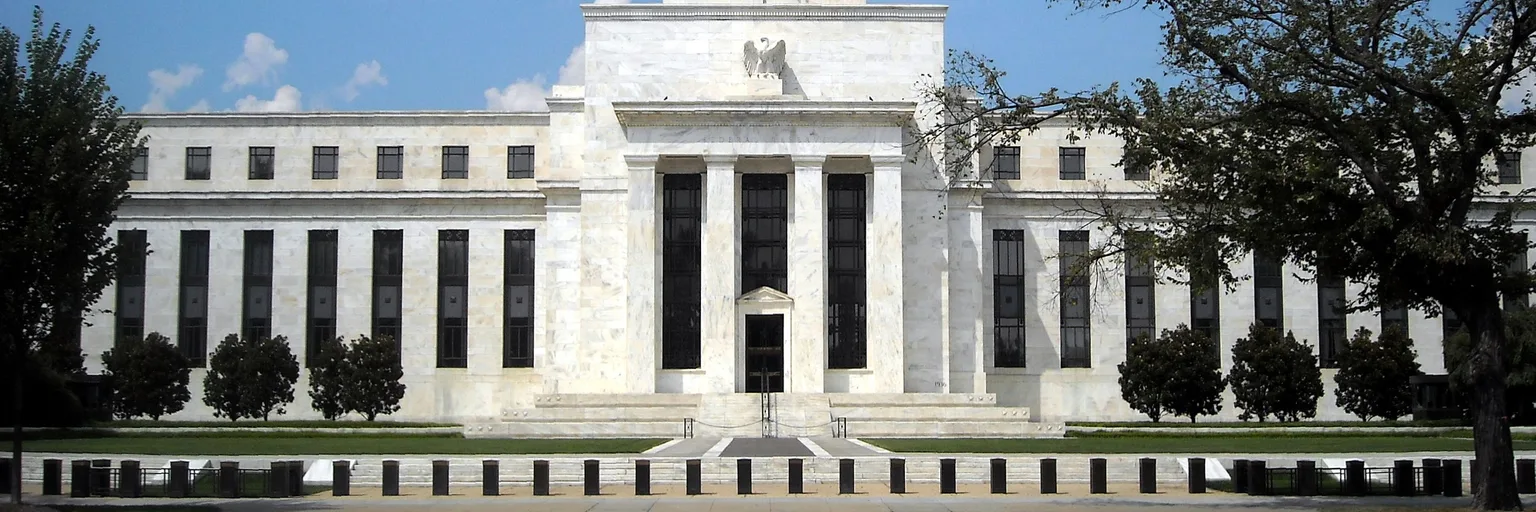
Photo: DXR / Wikimedia Commons (CC BY-SA 4.0)
Remember when the story was that rate cuts were just around the corner? That story is getting harder to sell. Expensive energy is back at the center of the inflation debate, and central banks seem to be answering the way they usually do: with tighter policy.
The reports are thin, but they all point the same way
The trigger is a headline from German finance site wallstreet-online, republished by BörsenNEWS on November 24, 2026: four central banks are preparing to hit again as costly energy fuels rates. The snippet we have mentions "last" rate hikes and high energy prices keeping inflation elevated. It doesn't say which four banks, or by how much. We won't guess.
Other material points the same way, though it is undated and should be read as context, not as a market snapshot. Lombard Odier's September outlook said it expected one more hike from both the Federal Reserve and the European Central Bank this year, plus one from the Bank of England. Morningstar noted that economists expect another ECB increase in December. And Austria's Sparkasse warned that if energy prices stay at current levels or rise, further hikes may be needed. One caution: a Fed-related page says markets saw a pause as very likely, with the Fed's range at 3.75 to 4.00 percent. It is undated, so we wouldn't lean on it for the Fed's current stance.
Energy inflation is the worst kind for central banks
Our view: this is the most uncomfortable type of inflation to fight. Central banks can't drill a well or reopen a pipeline. Raising rates does little to the price of the energy itself. What it can do, in our reading, is stop expensive fuel and power from seeping into wages, services and expectations. Handelsblatt captured the mood in a headline about the "trauma" of the energy price shock catching up with central bankers.
The trade-off is brutal. Sparkasse frames it as a dilemma between inflation and growth, and recent inflation data have, in its words, considerably narrowed policymakers' room to maneuver. We think that is the right framing. A bank that stays patient risks looking soft on prices. A bank that hikes into an energy shock risks squeezing households that are already paying more to heat their homes.
Savers get a temporary gift; borrowers get a long wait
For savers, the instinct is to cheer. Higher policy rates generally mean better returns on deposits and short-term bonds. But we'd be careful. If inflation is energy-driven, the real return, what you earn after rising prices, may not improve as much as the headline rate suggests. And rates can fall as quickly as they rose if energy prices ease. Locking in a long fixed deposit because rates look attractive today is a bet on the future, not a free lunch.
Borrowers are the clearer losers. Anyone with a variable-rate loan or a mortgage coming up for renewal should assume that relief is not imminent. As AOL reported on November 24, US mortgage rates are staying elevated while homebuilders expand price cuts to post-Covid highs. We read that as a sign that high borrowing costs are already biting on the housing market. Rules and products differ by country, so check how your own loan reprices.
Fed official John Williams, according to Aktien.news, expects falling inflation from 2027 but considers further rate steps necessary. That page is undated, so treat it as one official's forecast of uncertain vintage, not a promise. Still, the message is that "eventually lower" is not the same as "soon lower."
Our verdict: budget for expensive money
Don't plan around a rapid return to cheap money. Build your budget on the assumption that rates stay high through next year. If you borrow, reduce variable-rate exposure where you reasonably can and keep a cash buffer. If you save, enjoy better yields, but compare them with inflation and avoid stretching for return. This is general analysis, not personal advice. The one variable that matters most isn't in any central banker's hands: the price of energy.
No topics yet: start the first one.
More stories
The ECB's October pause was no relief: plan for a December hike
The minutes show many policymakers would have raised rates in October. Borrowers and savers should treat a December increase as the base case, not a risk.

Hernández de Cos at the ECB: read his record, not the flag
The EU summit is set to hand Spain its first ECB presidency, but what matters for savers and borrowers is a pragmatic, bias-free profile and an inflation problem he inherits.

A 4.3% GDP print is bad news if you're waiting for rate cuts
US growth above forecasts, hot inflation and a Fed leaning toward hikes make the tech selloff and falling yields look like a mixed signal, not an all-clear.
A 10% credit card cap sounds like relief, but it could lock people out
Capping card rates at 10% is easy to cheer for, but the likeliest losers are riskier borrowers who lose cards, rewards or both. Plan for that, not the headline.