Mattel's 2026 Investment: Short-Term Pain, Long-Term Play
While Mattel's stock saw declines after a strategic, costly 2026 investment plan, a closer look suggests the market might be mispricing its long-term potential for IP-driven growth.
AI-generated image
Mattel's stock has seen a notable uptick, buoyed by positive analyst sentiment, most recently an upgrade from Seaport Research Partners to 'Buy' with a $20 price target. This surge prompts a critical question: is this a genuine signal of renewed investor confidence in the toy industry titan, or merely a fleeting market fluctuation in a year marked by strategic but costly transitions?
Just last year, Mattel's stock collapsed by 25% following a miss on Q4 2025 earnings and a cautious 2026 outlook. It dropped to $15.90 on February 11 and was further compressed to $14.95 by the disclosed investment drag, according to TIKR. The company had disclosed net sales of $1.77 billion against an $1.844 billion estimate and saw its adjusted gross margin contract significantly. Yet, fast forward to today, October 13, 2026, and shares trade at $16.75, showing a year-to-date return of 14.59%, narrowly outperforming the S&P 500's 14.12% return. This rebound, however, isn't without its complexities, as the market navigates Mattel's bold play for future growth.
The Strategic Pivot: Building Beyond the Toy Box
Mattel's recent movements suggest a calculated pivot from a traditional toy manufacturer to a broader intellectual property (IP)-driven play and family entertainment company. We see this as a shrewd move to diversify revenue streams and capitalize on its extensive brand portfolio beyond just physical toys. A key part of this strategy is the full acquisition of mobile games studio Mattel163 for $159 million in February 2026. This studio, boasting over 550 million downloads and more than $200 million in annual revenue, is central to management's plan for a robust 2027 earnings recovery. We view this as a clear sign of Mattel's commitment to high-margin digital content, moving beyond its historical reliance on physical product sales, which faced headwinds from decelerating U.S. retailer orders in late 2025.
Alongside this, Mattel is making a $150 million strategic investment in digital games and first-party data capabilities. This, combined with a $1.5 billion share repurchase program that saw $1.2 billion of stock bought back between 2023 and 2025, underlines a clear intent to boost shareholder value and leverage its extensive brand portfolio. Notable catalysts like the Masters of the Universe theatrical release on June 5 and a Paramount licensing deal for Teenage Mutant Ninja Turtles starting in 2027 further illustrate the strategy to monetize IP across various entertainment formats. Hot Wheels, for instance, remains a powerhouse, generating $1.75 billion in gross billings in 2025, marking its eighth consecutive record year and anchoring the Vehicles category.
The Cost of Transition: A Year of Investment
Despite the strategic vision, 2026 is openly acknowledged by Mattel as a deliberate investment year, a
No topics yet: start the first one.
More stories
The Iran War: A Two-Speed Energy Shock Reshaping Global Markets
While initial oil price spikes proved temporary for some, the Iran conflict has delivered a sustained, acute blow to global diesel supplies and triggered a bifurcated economic reality.

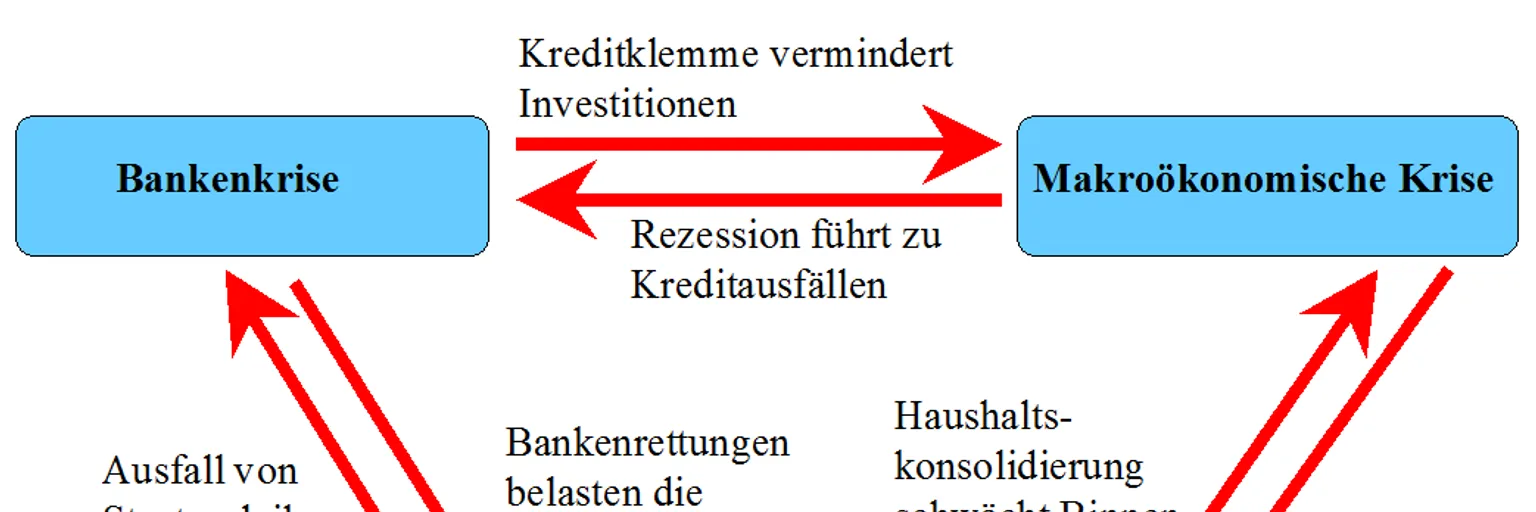
The Looming Sovereign Debt Crisis: Are Banks Ready?
With global interest rates set to remain elevated and banks heavily exposed to public debt, a sovereign debt crisis could pose significant risks to the financial system, demanding robust defensive strategies.
Columbus Day: The Market's Odd Open Amidst Inflationary Fears
While federal offices and many banks close, the U.S. stock market keeps trading on Columbus Day, highlighting a paradox for investors navigating persistent inflation risks.
Amundi's Buyback: A Bold Statement Amidst Market Uncertainty
The completion of Amundi's €500 million share buyback program signals strong internal confidence and a commitment to shareholder value that resonates in today's shifting global economy.