Bayer's Roundup deal puts a price on risk, not an end to it
A judge's final approval of the $7.25 billion settlement caps a legal overhang, but investors should judge Bayer on cash flow and reserves, not relief.
AI-generated image
Is a $7.25 billion bill good news? For Bayer shareholders, it feels like it. After years in which the Roundup litigation hung over the company with no visible ceiling, a number finally exists. But a number is not a strategy, and relief is not a business plan.
What happened
A Missouri judge, Timothy Boyer, has given final approval to the class settlement over claims that Roundup, the glyphosate weedkiller, causes cancer. According to Tagesschau, the deal is worth up to $7.25 billion, with payments spread over up to 21 years. It is meant to resolve claims tied to non-Hodgkin lymphoma. The judge described it as fair, reasonable and adequate, and Bayer says it involves no admission of guilt.
The approval follows a June win at the US Supreme Court. That ruling, as the same report describes it, essentially shuts the door on suits built on missing cancer warnings on the label. FAZ adds some context: Bayer bought Monsanto in 2018 for about $63 billion and has since paid more than €10 billion for trials and lawyers.
A cap is valuable, but it is not a cure
We think welcoming this news is reasonable. Uncertainty is expensive, and an open-ended liability is the hardest thing to value. Putting a ceiling on it, plus the Supreme Court ruling on warning labels, lets analysts replace a fog with a line item. CEO Bill Anderson called the approval a decisive milestone in the company's multi-track strategy to contain both pending and possible future glyphosate suits. Notice the verb: contain, not eliminate.
That is the nuance we would underline. The deal is built to settle claims over a defined disease, and Bayer's own phrasing about possible future suits suggests the company does not consider the matter closed. A payment schedule that runs for up to 21 years also means the cash leaves slowly, which is kind to the balance sheet in any single year but keeps the issue on the books for a generation. That is a long time to call a problem "behind us".
We would also resist treating the share price as a verdict. According to finanzen.net, Bayer's stock was up almost 20% since the start of 2026. The page is undated, so treat that figure as a snapshot. If good news is partly priced in, the approval may be less of a catalyst than headlines suggest.
Judge Bayer on cash, not on closure
The cleaner lens is operational. A commentary published on Oct. 31 by kapitalmarktexperten.de, before the approval, expected no direct financial relief from the Roundup ruling it discussed and cited a net debt forecast of €26.674 billion. That is one outlet's estimate, not a fact about today's balance sheet, and it predates the settlement's final approval. Still, it points at the right question: does the company generate enough free cash flow to pay the settlement, service its debt and still fund the business?
Another commentary, from finanztrends.de in mid-November, warned investors not to be blinded by recent good news, because Roundup remains the biggest problem. We would not go quite that far, since the approval looks to us like it reduces the tail risk. But the instinct is sound. Closing a legal chapter does not fix a company that spent years distracted by it.
What we would watch
Our view, as opinion and not advice: skip the celebration and read the next reports for three things. First, how much of the settlement is covered by existing litigation reserves and how much hits cash. Second, whether free cash flow can absorb annual payments without pushing debt higher. Third, whether the pharma and crop science divisions grow on their own merits.
Verdict: the Roundup approval is a genuine improvement, because a known cost beats an unknown one. But it is a price on uncertainty, not the end of it. Investors who treat it as a turnaround are paying for relief. Those who wait for cash flow and reserves to confirm the story are paying for evidence.
No topics yet: start the first one.
More stories
UniCredit-Commerzbank is a cost-cutting story, not Europe's banking dream
Berlin has blinked, but the real test for UniCredit's Commerzbank deal is capital, cost savings and political promises, not a pan-European banking narrative.

Home Depot's new CEO and earnings beat aren't the story. The housing freeze is
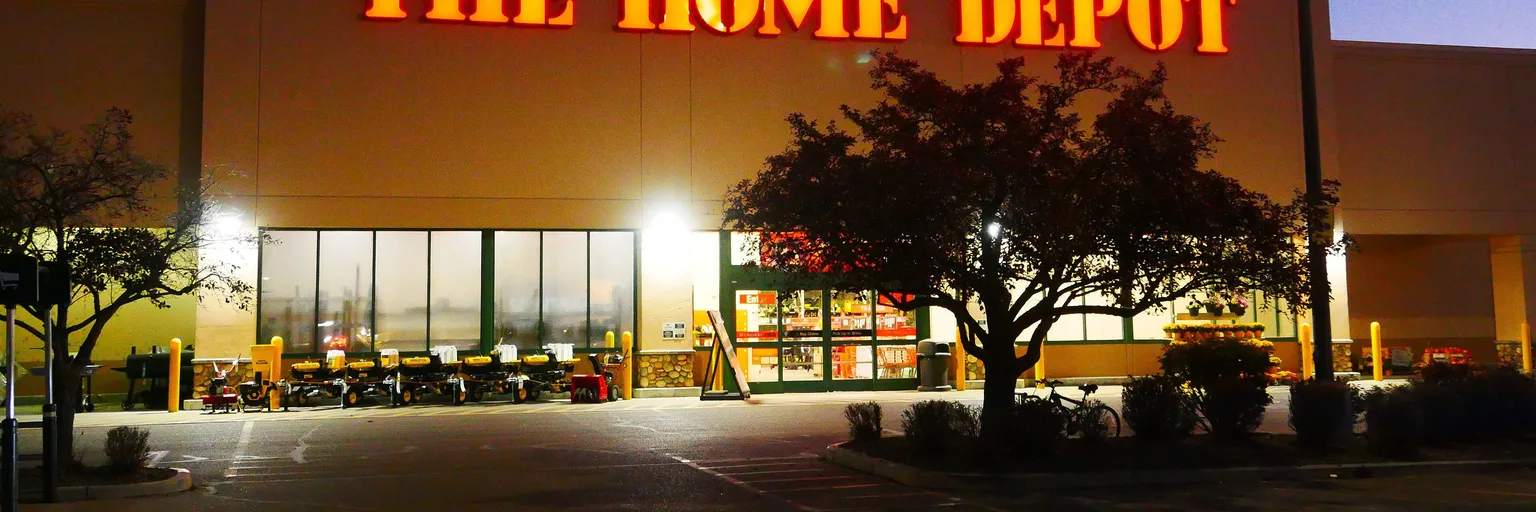
A smooth CEO handoff and a small earnings beat look reassuring, but Home Depot's fate still hangs on a frozen housing market, not on who sits in the corner office.
The $38 billion swipe fee deal is a toll renegotiation, not a shopper win
Visa and Mastercard's proposed settlement trims what merchants pay on paper, but the toll booth stays open, and shoppers shouldn't count on lower prices at the register.

One software update reportedly grounded US flights. The $50 billion bill is the real story
A nationwide ground stop blamed on a network update shows that aging infrastructure is an economic risk, and someone will pay the $50 billion Washington says it needs.