BioWare’s Crisis Is EA’s Warning About the Cost of Playing It Safe
EA’s reported BioWare retrenchment reflects a harsher industry logic: publishers are protecting franchises and margins, but may be cutting the talent that creates the next hit.


Carrefour’s weaker 2026 targets expose a harsher retail reality: sales can rise while margins, traffic and cash flow deteriorate under social and price pressure.
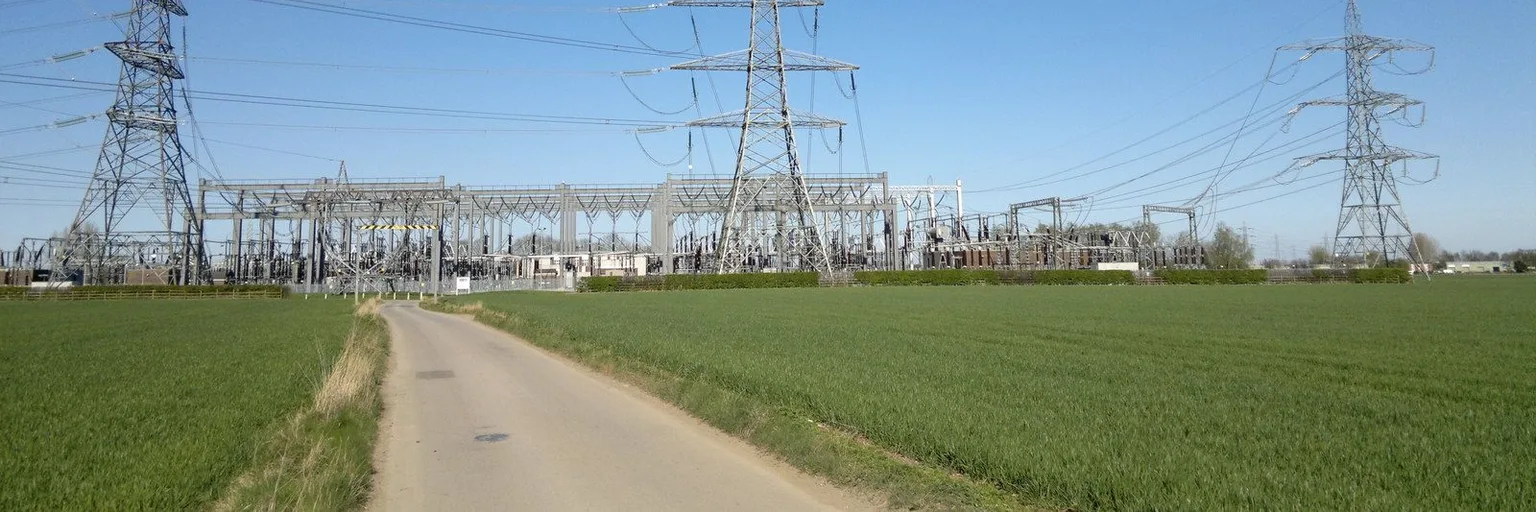
Iberdrola is scaling the energy transition, but its €10.1 billion investment test is whether networks and renewables can turn capital into durable returns.
The four-percent rule is giving way to flexible spending plans, but taxes, healthcare and Medicaid can turn a sensible withdrawal rate into a fragile retirement strategy.
EQT’s reported interest in Qiagen may unlock value, but it also exposes a deeper problem: strategic German-listed companies can look cheap until private equity comes calling.
SAP’s third-quarter results will show whether cloud momentum and AI spending are creating durable profits—or extending an expensive market story.
A 16.7% export surge looks powerful, yet chips and selected industrial goods may be carrying a recovery exposed to weaker trade, tariffs and volatile AI demand.
Renault’s low valuation looks tempting, but the shares will need durable margins and cash generation—not just electric-vehicle growth—to earn a rerating.
Italy can justify asking more from large fortunes, but a wealth tax will remain a symbol unless the state proves it can use existing revenue better.
SpaceX’s strong quarter makes the business look more disciplined, but a proposed stock gift to American children could turn ownership into a Musk-centered spectacle.
Volotea’s route cuts are a warning that low fares depend on a delicate balance of fuel costs, geopolitical risk and margins too thin to absorb shocks.
The Orchestra Bio acquisition pushes OpenAI beyond chatbots and into scientific operations, where durable revenue will depend on workflow control—not just smarter models.
Netflix’s earnings test a market pricing in near-perfect execution, where solid profits may matter less than whether the forecast is exceptional.
The reported return of wage and benefit collections would punish default, but it may deepen the economic damage policymakers claim to be addressing.
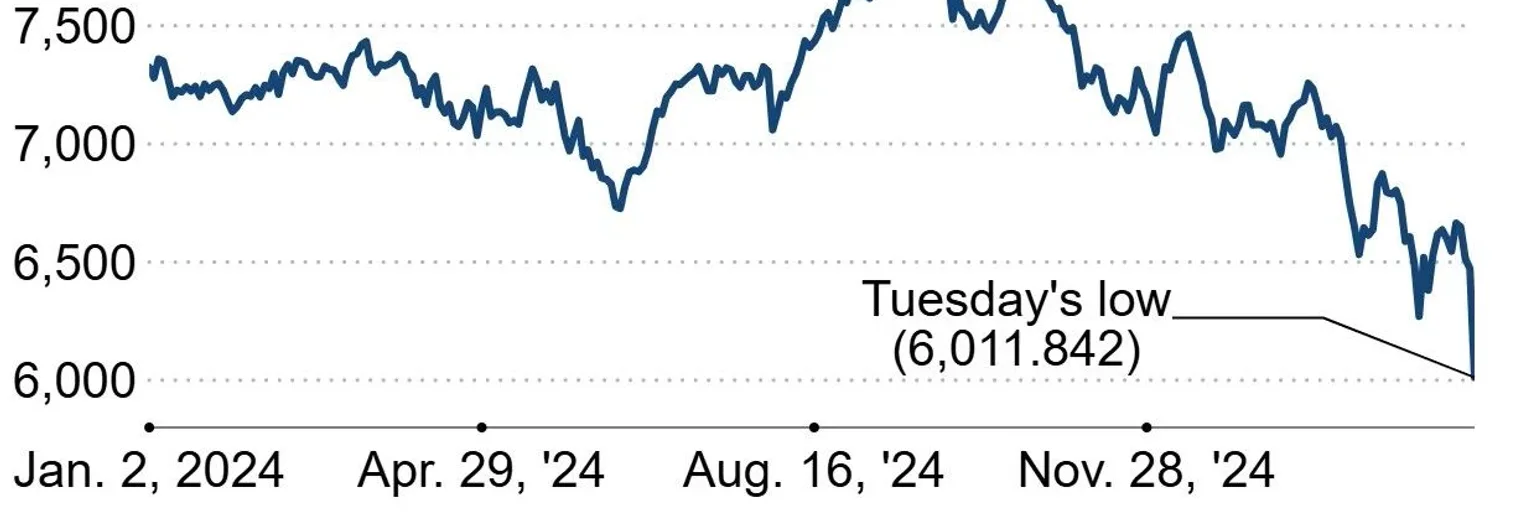
Indonesia’s market shock is a warning: when index access and tradability weaken, foreign capital can become an exit door rather than a source of stability.
Explosive ATM attacks expose a neglected vulnerability in cash access, forcing banks to rethink locations, protection and alternatives—not abandon cash outright.
The recent volatility of Siemens Energy's stock highlights the significant challenges and investor uncertainty facing companies crucial to Europe's ambitious energy transition goals amidst rising interest rates.
For long-term investors, the real measure of a dividend stock lies not just in its yield, but in its robust free cash flow, consistent payout ratios, and an unshakeable economic moat.
The recent Ticketmaster Brazil data breach, following a larger global incident, highlights persistent vulnerabilities in digital commerce and raises critical questions about corporate accountability and the true cost of data insecurity for consumers.
Despite minor market adjustments, gold prices remain notably low after a recent decrease, signaling persistent market caution and potentially creating a strategic entry point for long-term investors eyeing safe-haven assets.