Chevron vs. ExxonMobil: A Tale of Two Energy Futures
ExxonMobil and Chevron, traditional energy giants, are pursuing vastly different strategies for future growth, prompting investors to weigh long-term value against higher yields and new ventures.


The August 2026 disruptions at Catania-Fontanarossa Airport, caused by Mount Etna’s eruption, underscore the persistent fragility of air travel and the vital role of understanding EU passenger rights.
Ghana's ambitious plan to halt raw mineral exports by 2030 seeks to capture more value locally, but this protectionist strategy could deter vital foreign investment and disrupt global supply chains.
Fiat's strategy with the Koala, an electric city car reportedly targeting a price around 15,000 euros, isn't just about a new model; it's a bold play to redefine accessible urban electric transport and challenge market norms.
Germany's savings banks are rolling out Bitcoin trading to retail customers, a move that could mainstream cryptocurrency, despite clear warnings about its inherent risks.
European professional investors are increasingly embracing active ETFs, signaling a fundamental shift from traditional passive strategies towards more dynamic and nuanced investment management.
The class-action lawsuit against D-Wave Quantum, amidst its stock reaching a new 12-month low, starkly illuminates the significant legal and financial risks embedded in high-growth, emerging tech sectors like quantum computing, contrasting the narrative of boundless innovation with the need for accountability.
Despite strong order backlogs, Rheinmetall's recent stock slump signals a crucial shift in investor sentiment, demanding concrete execution and robust cash flow over mere political commitments in the European defense sector.
European equities face a challenging open, with policy uncertainties and ongoing geopolitical tensions underscoring a broader market vulnerability. We examine the critical risks at play.
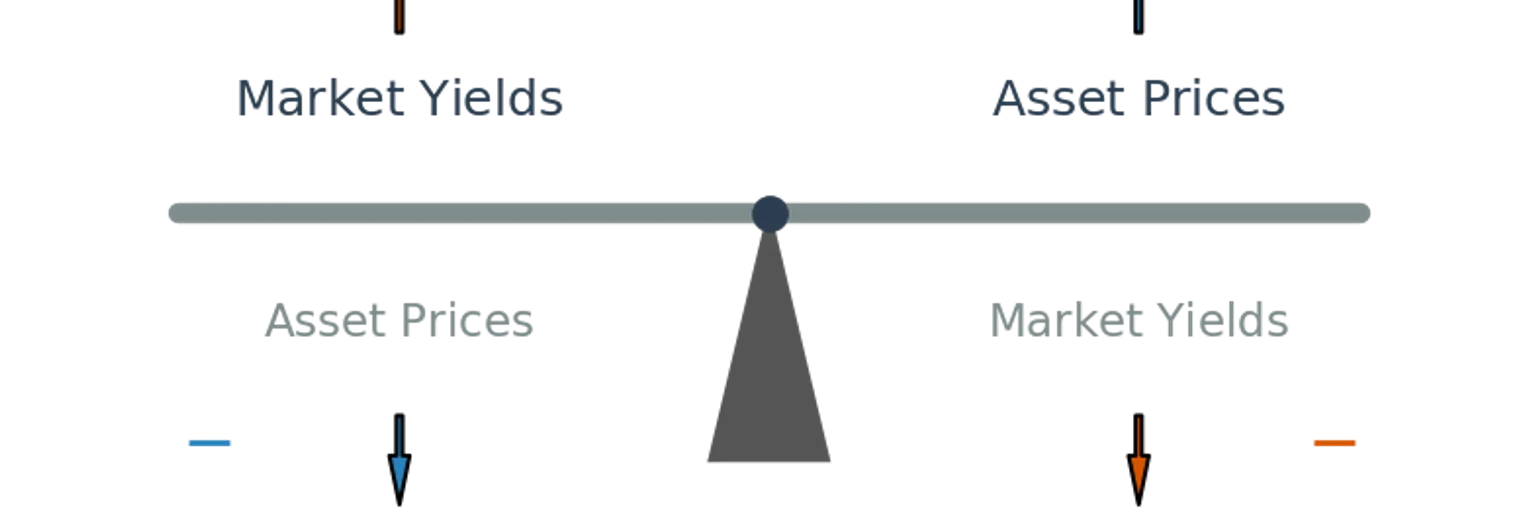
While higher interest rates challenge traditional investment strategies, they also unveil distinct opportunities in fixed income and specific equity sectors for those willing to adapt.
Nasdaq's shares have risen on a strong growth narrative and promising tech, yet conflicting valuation models and analyst targets create a dilemma for investors weighing present value against future potential.
Even years after her conviction, Elizabeth Holmes remains a captivating figure, a potent reminder of the unchecked hype and charismatic founder worship that can blind investors in the tech world.
The Warsaw Stock Exchange's remarkable surge, outclassing major European counterparts like Paris, signals a profound shift in investment focus driven by Poland's robust economic fundamentals and strategic evolution.
With interest rates rising and market volatility increasing, high-quality European fixed income is re-emerging as a compelling investment, offering attractive yields and much-needed stability in a dynamic global landscape.
The International Monetary Fund's recent warnings about AI's double-edged sword, escalating national debt, and persistent high energy prices highlight a global economy balancing on the edge of precarious stability.
The EU's MiCA regulation has fundamentally reshaped the cryptocurrency landscape, demanding unparalleled transparency and shifting power towards regulated entities and investor protection.
Recent drone attacks on St. Petersburg's critical infrastructure signal an alarming escalation, forcing businesses to re-evaluate geopolitical risks and fortify supply chain resilience.
Visa's transition of stablecoin payments from pilot to commercial production marks a pivotal moment, promising efficiency and accessibility for cross-border transactions.
The recent fluctuations in the Canadian dollar against its US counterpart offer crucial insights into broader economic currents, signaling both challenges and opportunities for global trade and investment.
Mongolia's transition from a major World Bank aid recipient to a donor for the poorest nations signals a profound shift in global economic power dynamics and development paradigms.