Nvidia's rebound is a key-man premium, not a recovery
The market cheered Jensen Huang's return with a double-digit jump, but a stock that reprices on one man's job status has a governance problem, not a clean bill of health.
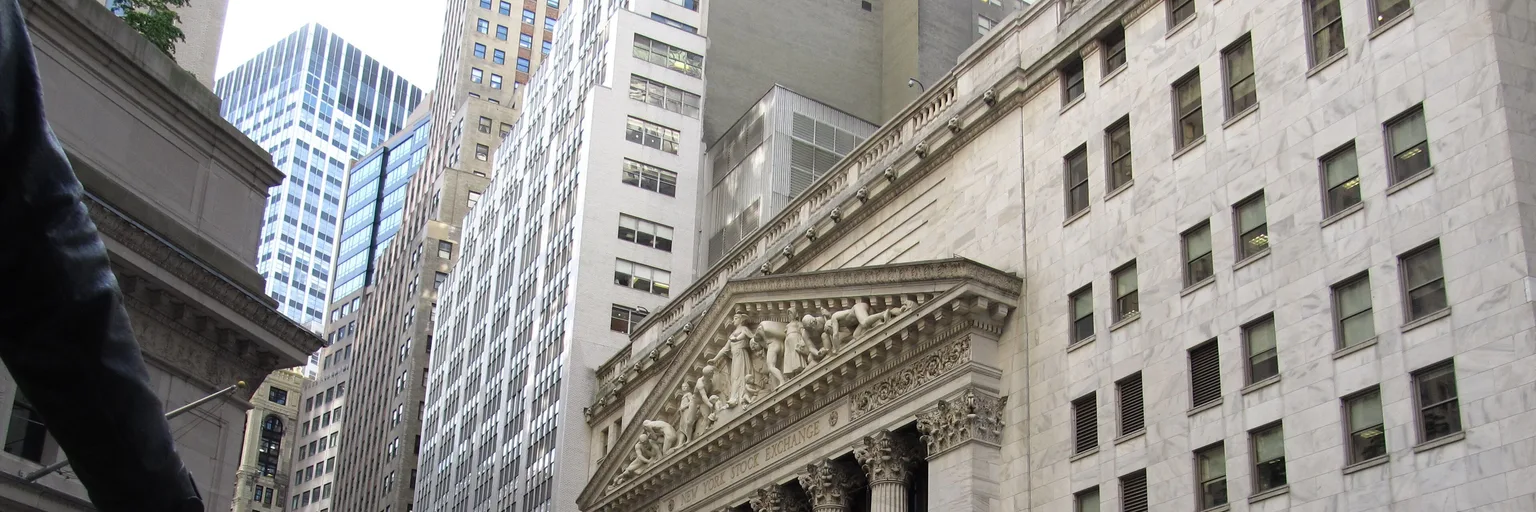
Photo: Maurizio Pesce / Wikimedia Commons (CC BY 2.0)
What exactly did investors buy on Monday? Not a new chip, not a better forecast, not a cleaner balance sheet. They bought a name on a door. When a company's stock jumps by more than a quarter in pre-market trading on a personnel announcement, the market is telling you something uncomfortable about how it prices risk.
What happened, briefly
On November 23, Nvidia said its board had voted unanimously to reinstate Jensen Huang as president, CEO and board director, effective immediately. Huang had resigned on November 12 after reports of extramarital affairs, including one with a woman U.S. intelligence reportedly suspects of spying for Beijing. As The Verge reports, the board said it had received input from senior levels of the U.S. government and concluded his return poses no national security risk.
Reports differ on the size of the move: more than 25% before the open according to Numerama, nearly 30% in electronic trading according to 20 Minutes, and 27% in a ZDNet France headline. We'd treat the exact figure as a moving target. The direction and scale are not in doubt. According to 20 Minutes, the company had lost more than a trillion dollars of market value in two weeks.
The price tells you what the market fears, not what it knows
Here is the odd part. The operating results didn't change over those eleven days. Numerama notes that Nvidia had just posted record quarterly revenue of $115.8 billion. A company with those numbers still saw a trillion dollars of value vanish in the scandal that swallowed its founder's job. Then the stock leapt when he came back.
That looks like a key-man premium, and it cuts both ways. Investors were not valuing a franchise that survives its leader. They were valuing Huang. In our view, that is a legitimate thing to price, but it should be priced as a risk, not celebrated as strength. A jump of more than 25% doesn't prove the company is healthy. It suggests how much of the valuation rested on one person.
The board's U-turn is the real story
Consider the sequence. On November 17, board chair Harvey Jones said the board did not intend to bring Huang back. The company had hired a search firm, and the Financial Times reported it had approached the head of Arm. Six days later, the same board voted unanimously the other way. As Frandroid dryly puts it, consistency was not this board's first virtue.
What changed in between? The reporting points to pressure: a falling share price, a petition with well over 100,000 signatures, backing from prominent tech executives, and public calls from President Trump. The board's statement leans on unnamed government officials, and the outlets covering it note that it doesn't say who they were or what they said. We can't know what moved the directors. But a board that reverses itself in under a week, under that kind of pressure, will struggle to convince anyone it is an independent check on management.
Meanwhile, nothing is closed. The independent investigation continues. The SEC is probing the company's accounting practices, a California subpoena was reported, and a criminal matter involving Megaspeed remains open. Congressional hearings are reportedly scheduled for early December. The new national security committee and the planned compliance officer are sensible steps. But they are promises, not results.
What investors should do with this
We are not telling anyone to buy or sell. Rules, risk tolerance and tax situations differ, and one day's move is a poor basis for any decision. But we'd offer three habits.
First, don't read a one-day surge as validation. In our view, the jump says more about relief than about the business.
Second, ask how much of your exposure depends on a single person. If Nvidia sits inside an index fund or a tech-heavy portfolio, you probably own more of this key-man risk than you realize.
Third, watch the boring items: the investigation's findings, the SEC inquiry, whether the compliance role gets filled by someone with real independence. Those will tell you more than any pre-market chart.
The verdict: the market handed Nvidia a premium for having its founder back. A well-governed company wouldn't have needed one, and wouldn't have been vulnerable to the discount in the first place. Cheer the rebound if you must, but file it under warnings.
No topics yet: start the first one.
More stories
The S&P 500's best week in 19 months is a bounce, not a new regime
A violent AI-led rebound repairs sentiment, but it leaves the rate and AI-spending questions behind November's rout untouched. Chasing it is the wrong lesson.
A 156-year stock market warning with six data points isn't a forecast
A signal seen only six times in 156 years makes a scary headline but thin evidence. Use it as a prompt to check concentration, not as a reason to time the market.
S&P's Nvidia warning shows governance is a priced risk
A rating agency says Nvidia's board may have compromised its independence and its CEO is a key-man risk. For index investors holding the megacap, that's not a footnote.
The Dow's 1,100-point round trip hid the real story: higher for longer
A green close masks hot inflation, new tariff proposals and a Fed that may have less room to cut, so stress-test your portfolio instead of cheering the rebound.