Columbus Day: The Market's Odd Open Amidst Inflationary Fears
While federal offices and many banks close, the U.S. stock market keeps trading on Columbus Day, highlighting a paradox for investors navigating persistent inflation risks.


The completion of Amundi's €500 million share buyback program signals strong internal confidence and a commitment to shareholder value that resonates in today's shifting global economy.
Morgan Stanley's bold forecast suggests that escalating Eurozone bond yields might compel the ECB to pause its quantitative tightening, raising critical questions about balancing inflation control with economic stability.
Equity markets are defying traditional wisdom, increasingly seeing elevated interest rates not as a drag, but as a byproduct of robust economic growth, demanding a re-evaluation of investment approaches.
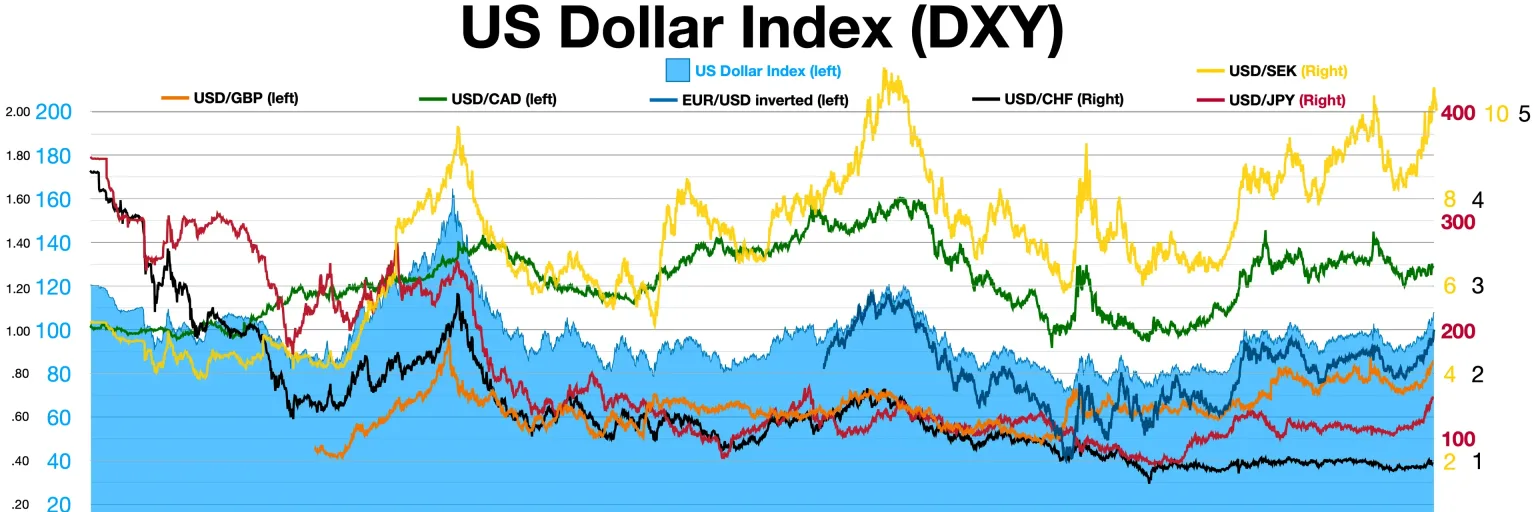
The US dollar's surge to an 18-month high reflects a dual narrative of global unease driving a flight to safety and anticipation of crucial inflation data that could cement further Federal Reserve action.
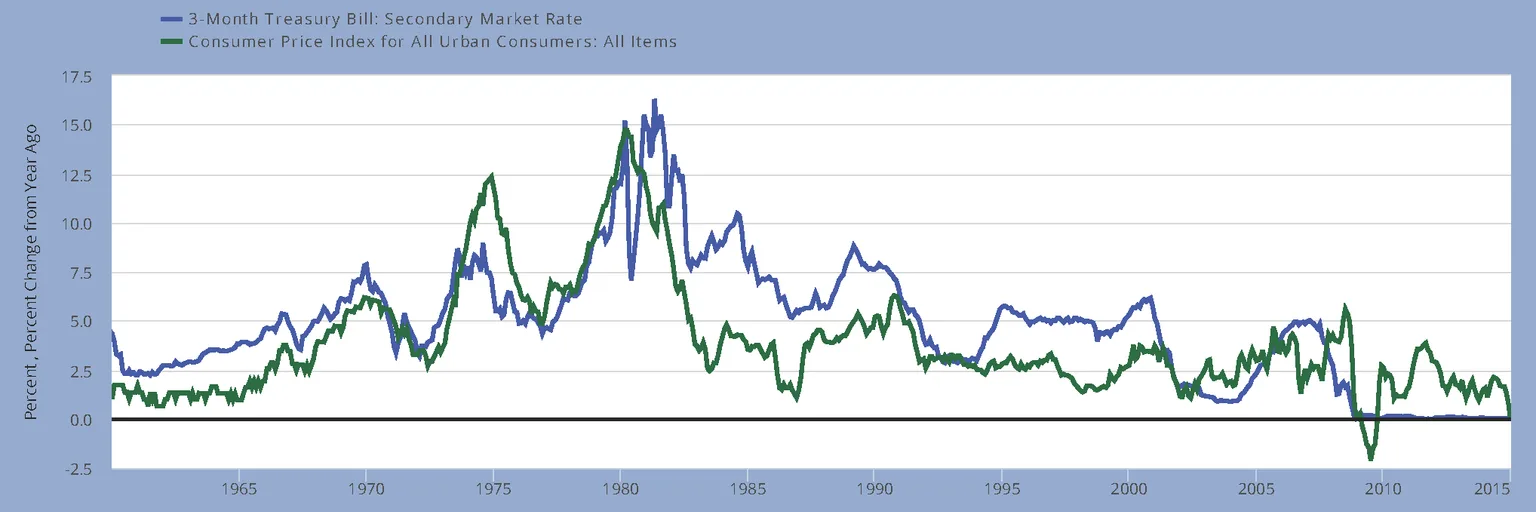
August's inflation data, particularly rising oil prices and persistent core pressures, cemented the Federal Reserve's decision to hike rates in September, impacting gold, the dollar, and Bitcoin.
As investor caution grows over high equity valuations, mixed inflation signals, and geopolitical uncertainty, the current market environment demands a prudent and selective approach.
While the European Central Bank rigorously tightens monetary policy to combat persistent inflation, its planned digital euro pilot for 2027 signals a forward-looking strategy that balances immediate economic stability with future financial innovation.
The recent sharp decline in French bank stocks amidst soaring interest rates presents a complex challenge for investors, balancing underlying strength against macroeconomic and political headwinds.
The FTSE MIB and Italian banking stocks posted gains amidst a global "risk-off" environment, raising questions about the sustainability and underlying drivers of this seemingly isolated uplift.
France's soaring bond yields are reigniting Eurozone crisis fears and weakening the Euro, proving how fiscal instability in a core member can ripple across the bloc.
Recent stock market retreats and surging bond yields signal a complex tug-of-war for investors. As inflation lingers and economic growth remains uncertain, a diversified approach is more crucial than ever.
The near exhaustion of global security oil reserves is not just a passing headline; it's a critical inflection point for energy markets, promising heightened volatility and inflationary pressures.
The AI revolution is driving record market optimism and massive investment, yet paradoxically, it also contributes to stubbornly high interest rates, making selectivity crucial for investors.
Despite traditional indicators suggesting otherwise, robust corporate earnings growth could defy persistent high Treasury yields, keeping the stock market's upward trajectory intact.
While the S&P 500 index holds near all-time highs, a deeper look reveals many individual stocks are struggling, hitting 52-week lows and signaling internal market weakness that investors should not ignore.
In a global bond market downturn, Italy's state bonds offer seductive yields, but investors must weigh the promise of high returns against the nation's substantial public debt and the broader Eurozone's fiscal pressures.
Upcoming central bank minutes will likely reveal continued inflation concerns, but recent signals from the US labor market and French financial stress suggest a potential pause in rate hikes, injecting market uncertainty.
Nvidia's meteoric ascent to over a $5.6 trillion valuation, fueled by insatiable AI chip demand, faces a critical test as fierce competition and valuation concerns cast a long shadow over its sustainability.