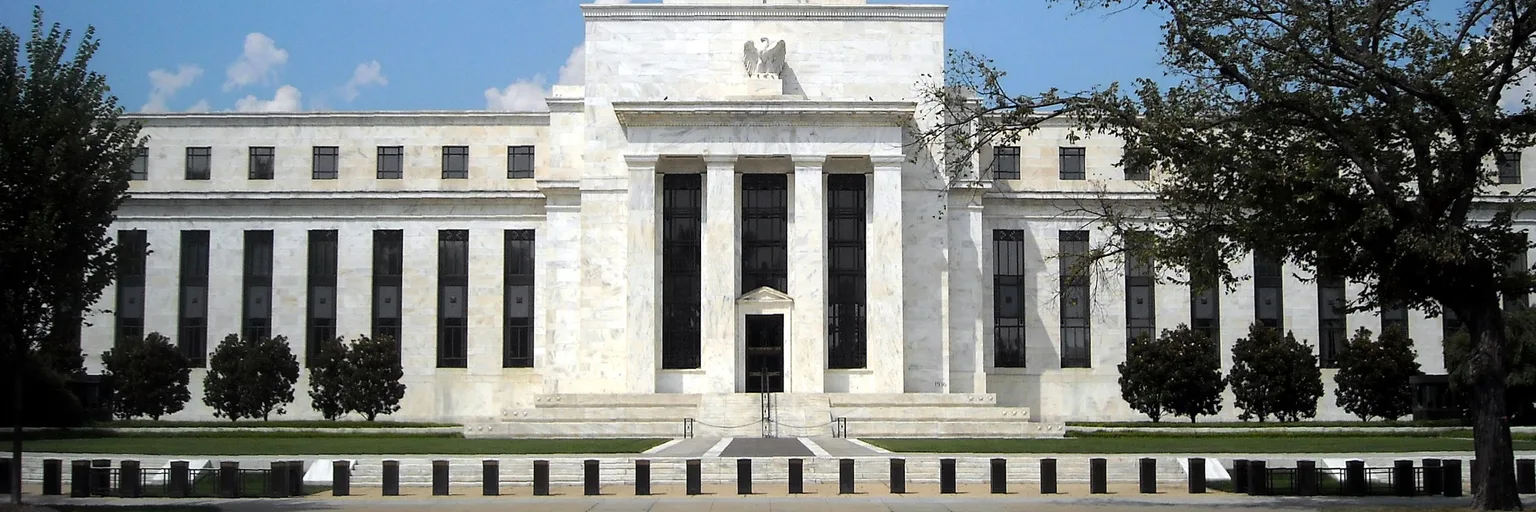
Nvidia's real risk isn't earnings: it's one man's absence
Huang's exit and HSBC's cut to Hold turn Tuesday's report into a test of key-person risk, and index investors should check their exposure now.
AI-generated image
What is a company worth when the person who built it, ran it and explained it to the market walks out a few days before the quarterly report? That is the question hanging over Nvidia. In our view, it is a bigger question than any revenue line Tuesday's numbers will contain.
The facts are simple enough. Jensen Huang resigned on Thursday, November 12, after 33 years at the helm, and CFO Colette Kress is interim CEO while the board looks for a successor. The trigger was reports about his personal relationships, including one with a businesswoman whom some US intelligence officials suspect of links to Chinese intelligence. That suspicion is unproven. Nvidia fell as much as 14% at one point on Thursday and closed down 4.3%. On Friday, Motley Fool reported that HSBC downgraded the stock to Hold, citing CEO uncertainty. Nvidia reports its third-quarter results on Tuesday, November 17, for the first time without Huang.
The earnings report is now a governance exam
Normally, earnings tell you how the business did. This time the numbers will be old news by the time they land, because the quarter ended under Huang. What investors will really be reading is tone: who presents, what guidance sounds like, and whether the board can credibly say the strategy survives its author.
That matters because Nvidia was built around one person. Kreiszeitung notes that Huang had more than 60 executives reporting directly to him and personally steered the long-term strategy. HSBC's Hold is not a verdict on chips. It is a verdict on a missing decision-maker. We think that is the right reading, and it is a fair one even if you believe the company will be fine.
The most interesting fight was inside the company
The Wall Street Journal's reporting, as relayed by ComputerBase, suggests the succession is also a fight over strategy. Nvidia had floated credit support to help AI cloud customers borrow and buy its chips. Kress reportedly questioned how those deals would be chosen and valued. Huang reportedly dismissed her in a meeting as a "reporting CFO." The same report says she later defended the model in public.
We would treat all of this as reported, not established. Still, it points to a company where the person now in charge had doubts about a key growth tool. Per Dr. Web's tally, which draws on Nvidia's 10-Q, guarantees and purchase commitments add up to roughly $164.5 billion. If demand cools, Nvidia loses twice, on sales and on the value of its stakes. A new leader may reasonably want to rethink that. Markets may applaud the caution or punish the slowdown. Neither outcome is a given.
Index investors own this risk whether they chose it or not
Here is the practical point. Many people hold Nvidia without ever having decided to. If you own a broad US index fund, a Nasdaq fund or a tech sector fund, one company's governance shock flows straight into your portfolio, and Nvidia was until this week the world's most valuable company. Kreiszeitung says it lost that title.
So before Tuesday, do something unglamorous. Open your fund's fact sheet and check Nvidia's weighting. Then check the weighting of the companies that depend on it. Then ask whether you are comfortable with that concentration. This is not a call to sell, and we are not predicting where the stock goes. Panic selling after a 4% day would be as unwise as ignoring a concentration you never chose. Your tolerance, time horizon and tax situation are yours, and they differ by country.
There is also a counterpoint worth taking seriously. NDR argued that Nvidia has, for now, managed to calm investors, and Bloomberg Intelligence's Mandeep Singh sees rivals such as AMD, Google's TPUs and Amazon getting a shot at share. A leadership change does not erase Nvidia's lead. The software ecosystem still makes switching slow and costly, as strategist Anna Wu pointed out.
Our verdict
Treat Tuesday as a stress test of the board, not of the product. A credible interim plan, a clear message on those financing commitments and a sensible search timeline would reassure us more than a big revenue beat. Rumors are flying, including a Financial Times report that Arm's Rene Haas is among those considered, which the board called premature. Ignore them until something is official.
The AI trade had a single point of failure, and now everyone can see it. Index investors can't remove it from the market, but they can find out how much of their own money sits on it.
No topics yet: start the first one.
More stories
The $3 trillion stock drop isn't a verdict on any party
Trump blames Democrats for a roughly $3 trillion sell-off, but the evidence points to AI worries and weak chip forecasts. Investors should check their risk, not pick a team.
Corporate bonds are a fine refuge from stocks, if you stop calling them one
After a near-$3 trillion stock sell-off, investors are eyeing US corporate bonds; the smart move is to treat credit as an income sleeve, not a Treasury-style hiding place.
Musk's AI bankruptcy warning is a prompt to audit your portfolio
Elon Musk expects a shakeout among AI cloud providers in 2027. Whether or not a crash follows, the useful question is how much of your portfolio rests on borrowed money.
Goldman's third Fed hike call says the plateau is far away
Goldman now sees a third hike in March 2027 and no cut until December 2027. Whatever the Fed does next, investors should plan for a long stretch of high rates, not a quick pivot.